
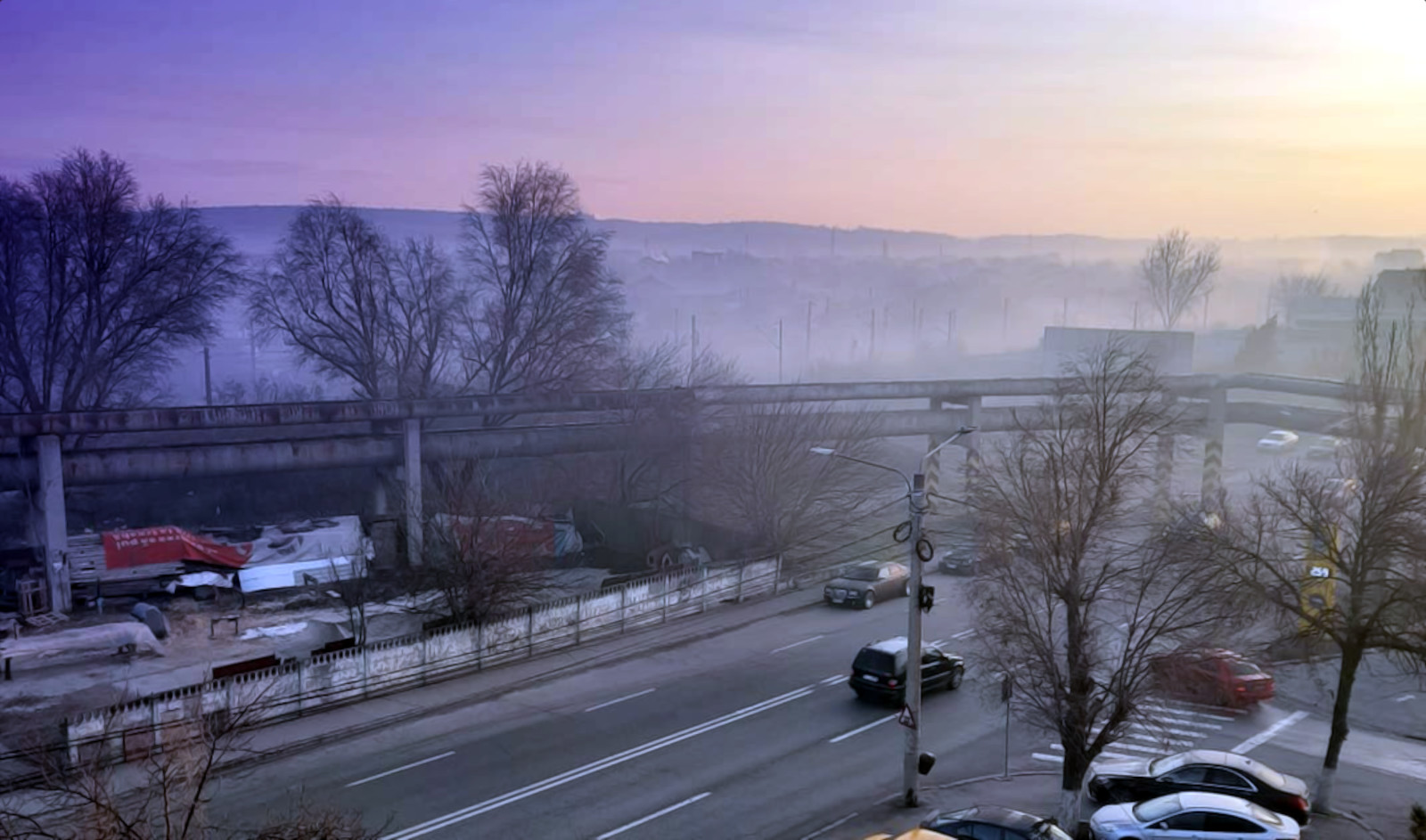
Smog is visible air pollution: a haze that forms when pollutants from traffic, industry, heating and fires build up in the lower atmosphere. The word began as a blend of “smoke” and “fog”, but modern smog is mostly a mix of fine particulate matter (PM2.5) and reactive gases. When it settles over a city, it is both a health hazard and the clearest visible sign that air quality has collapsed.
The Two Types of Smog
- Winter (particulate) smog: cold, still weather traps smoke from heating, traffic and industry near the ground, often under a temperature inversion. It is dominated by fine particulate matter. The deadly London smog of 1952 was this type.
- Summer (photochemical) smog: sunlight drives chemical reactions between nitrogen oxides (NOₓ) from traffic and volatile organic compounds, producing ground-level ozone. It is the brownish haze typical of warm, sunny, car-heavy cities.
What Causes Smog
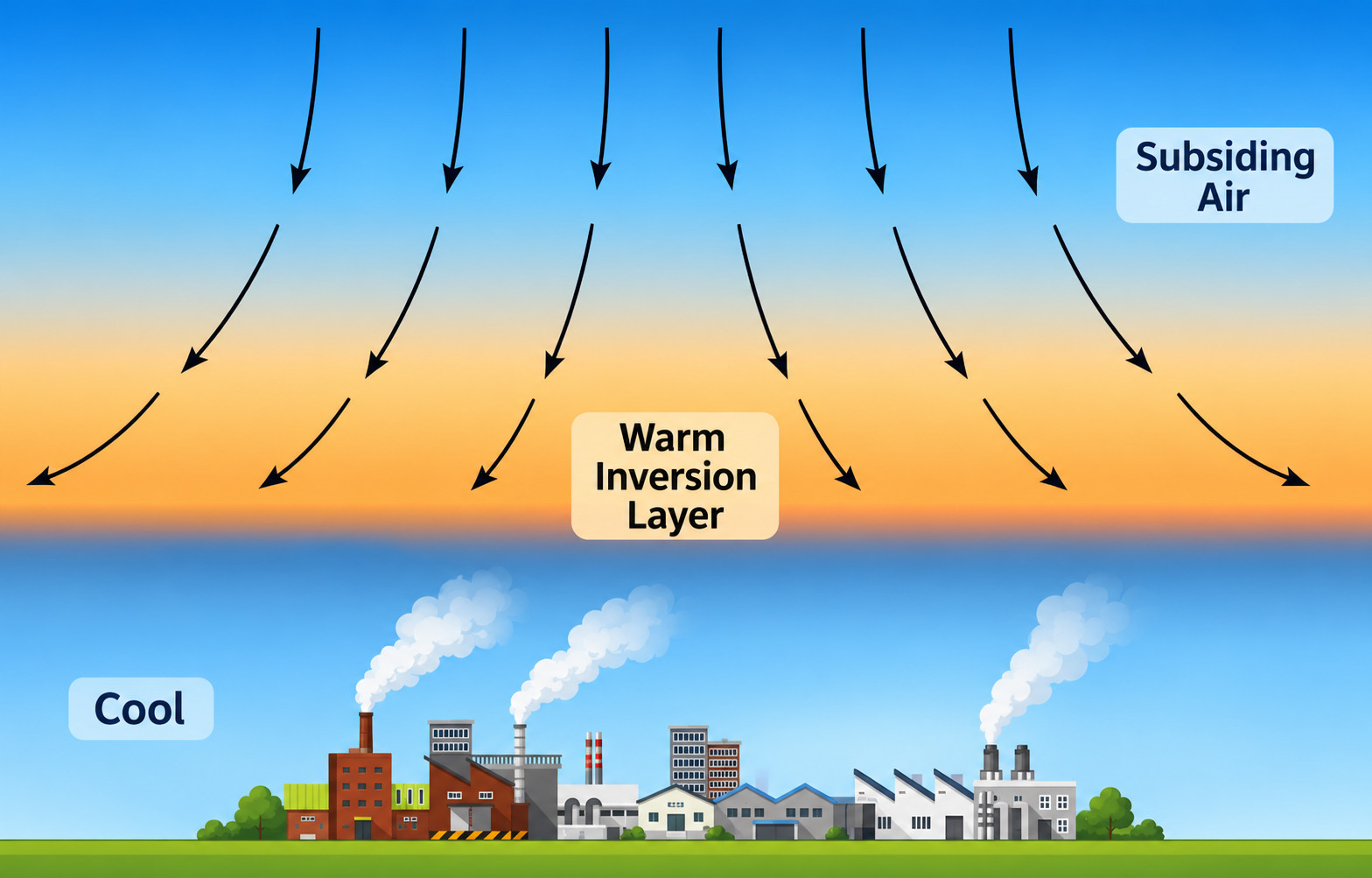
Smog needs two things: a source of pollution and weather that lets it accumulate. The main sources are road traffic, fossil-fuel heating, power generation, industry and large fires. The weather trigger is usually a temperature inversion, a lid of warm air sitting over cooler air near the ground, combined with low wind so nothing disperses. Geography matters too: cities in valleys or basins trap smog more easily. A single large fire can push a city into severe smog within hours, as Bucharest saw during recent warehouse fires covered on our blog.
Health Effects of Smog
The fine particles in smog are small enough to reach deep into the lungs and enter the bloodstream. Short-term exposure triggers coughing, eye and throat irritation, and asthma attacks, and raises the risk of heart and lung events. Long-term exposure is linked to chronic respiratory disease, cardiovascular disease and reduced life expectancy. Ground-level ozone in summer smog is a powerful respiratory irritant in its own right. Children, older adults and people with existing heart or lung conditions are most at risk.
How to Track Smog Near You
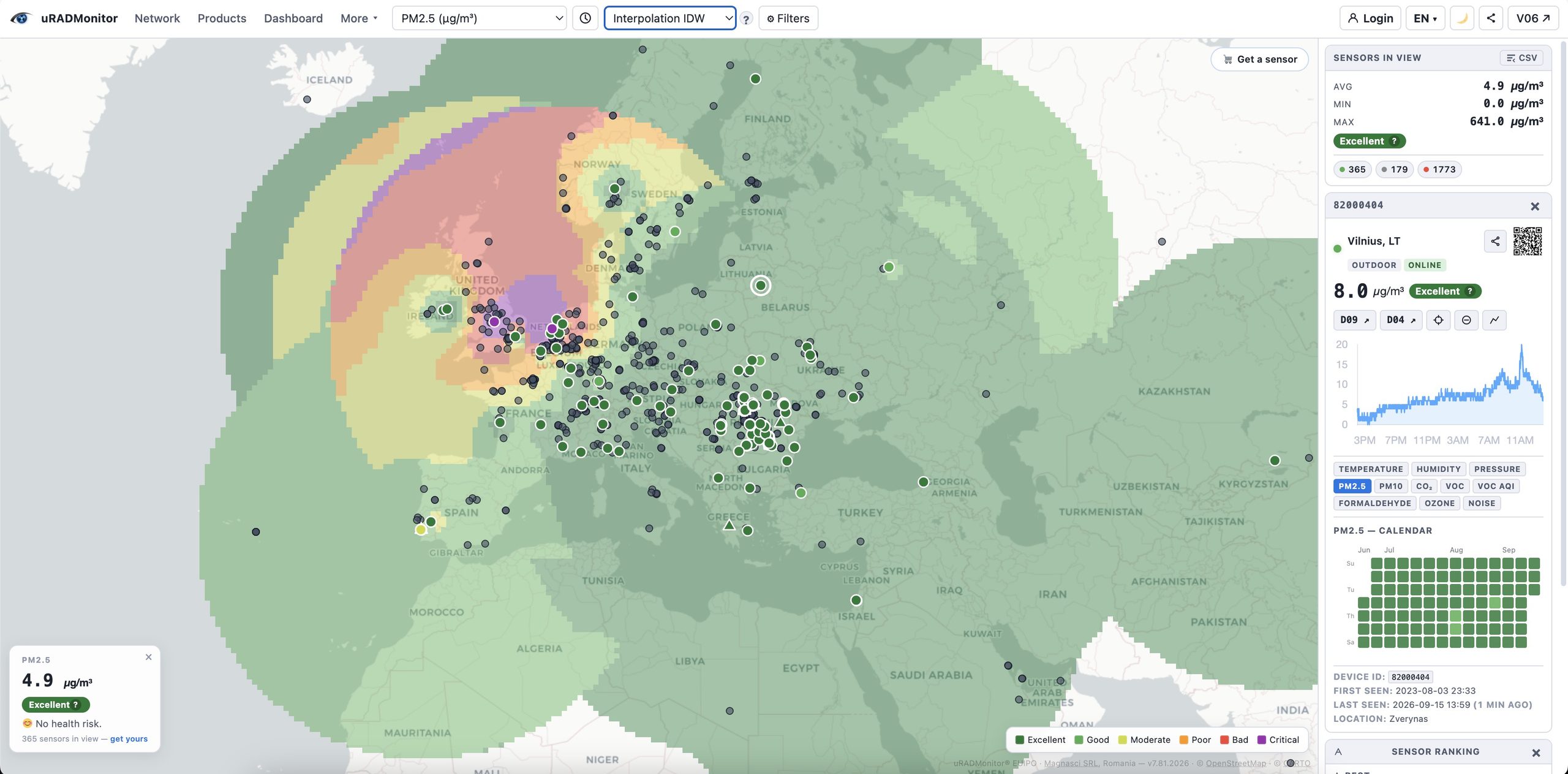
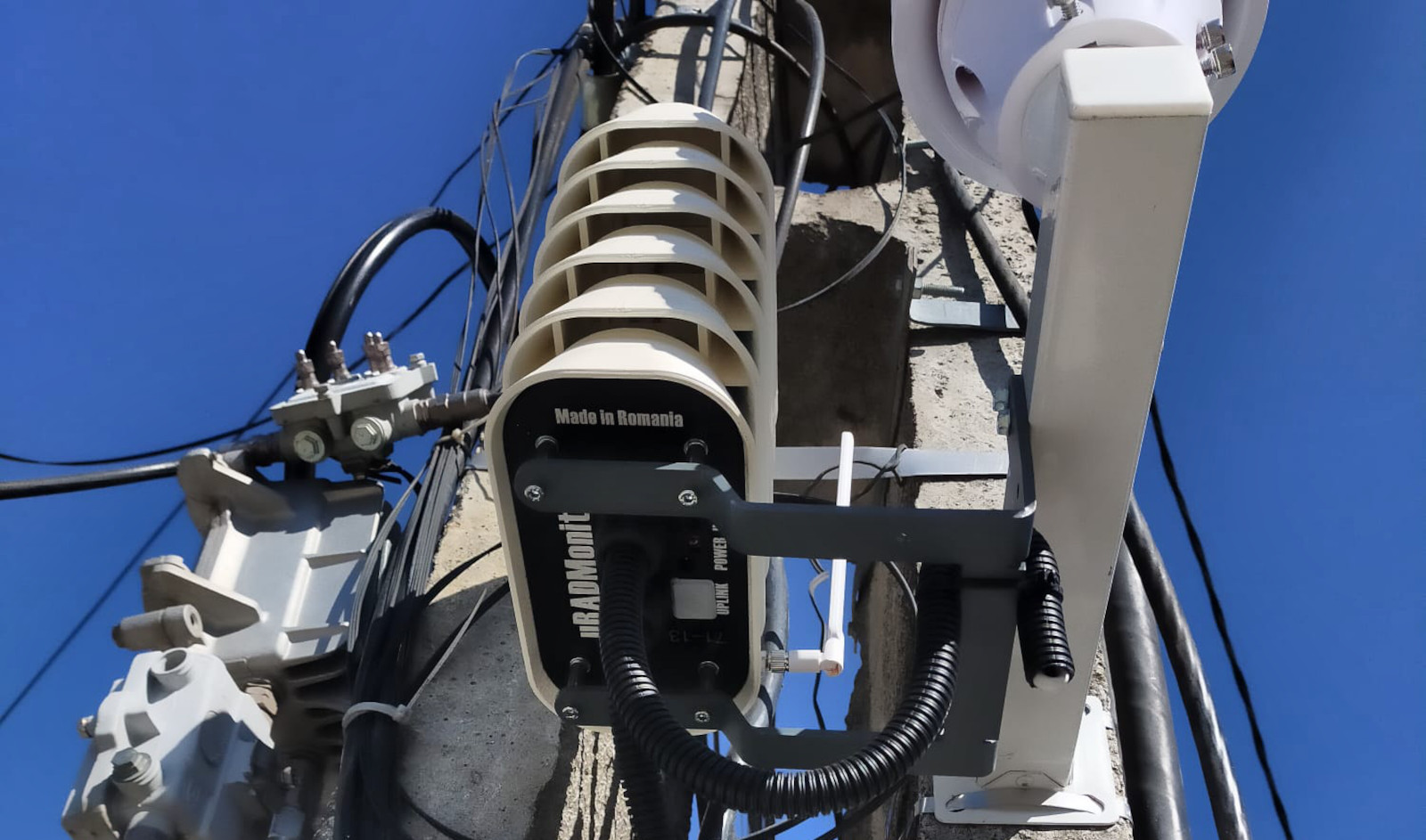
Because smog is driven by PM2.5, tracking it means tracking fine particulate matter in real time. A live sensor near you shows when levels rise, how high they get and when they clear, which is exactly the information you need to decide whether to close windows, run a purifier or stay indoors. You can check current readings across the network on the air quality by city pages, and measure your own street by adding a uRADMonitor sensor to the live map.
What You Can Do About Smog
- On high-smog days, limit outdoor exertion, keep windows closed and run a HEPA air purifier indoors.
- Reduce your own contribution: drive less, avoid burning waste or wood when air quality is already poor.
- Monitor continuously so you act on data, not on how the air happens to look.
Smog: Frequently Asked Questions
Is smog the same as fog?
No. Fog is water droplets. Smog is air pollution, mainly fine particles and reactive gases, that can look like a haze. Fog is harmless to breathe; smog is not.
What pollutant makes up most smog?
Fine particulate matter (PM2.5) dominates winter smog, while ground-level ozone dominates summer photochemical smog. Both are measured to judge smog severity.
Why is smog worse in winter?
Cold, still weather and temperature inversions trap pollution near the ground, while extra heating adds emissions. Together they let particulate smog build up over days.
How do I know if there is smog where I live?
Check a live PM2.5 reading for your area. A sustained rise in fine particulate matter, especially with an index of “poor” or worse, means smog conditions, even if the sky still looks fairly clear.
Liked this? Get monthly air quality findings.
One email a month from the uRADMonitor network. Unsubscribe anytime.
codemore code
~~~~