uRADMonitor Login

open source

uRADMonitor API Helper for DIDAP (custom) devices

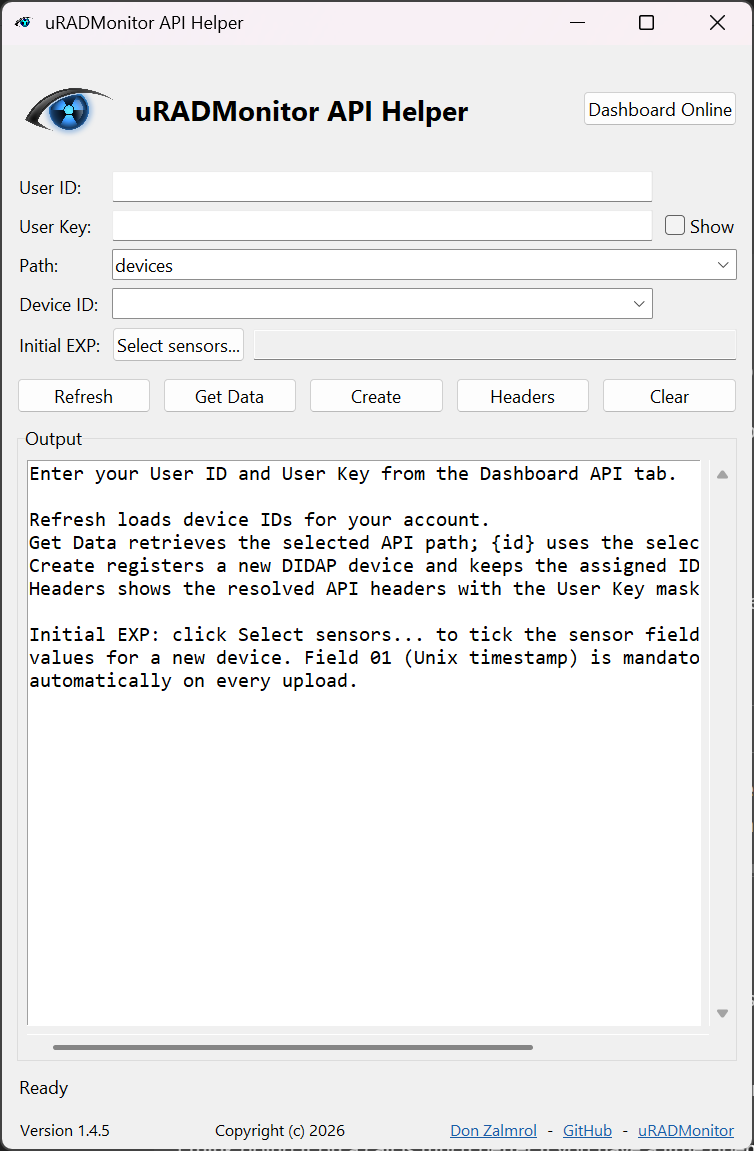
Presenting the uRADMonitor API Helper program If you want to connect a custom sensor to the uRADMonitor network, you need to register a new device and obtain a Device ID before you can start uploading data. To help others, I’ve created a little program that allows you to easily register your own custom sensor to […]
Read More >>

ESPHome Geiger counter bridge for Home Assistant and uRADMonitor

I have been testing an independent ESPHome-based bridge that connects a RadiationD-v1.1 (CAJOE) Geiger counter board to both Home Assistant and uRADMonitor. One ESP8266, two integrations The pulse output is connected to D1 / GPIO5 on the ESP8266. ESPHome counts the pulses locally, exposes the measurements and diagnostics to Home Assistant through its native API, […]

Read More >>

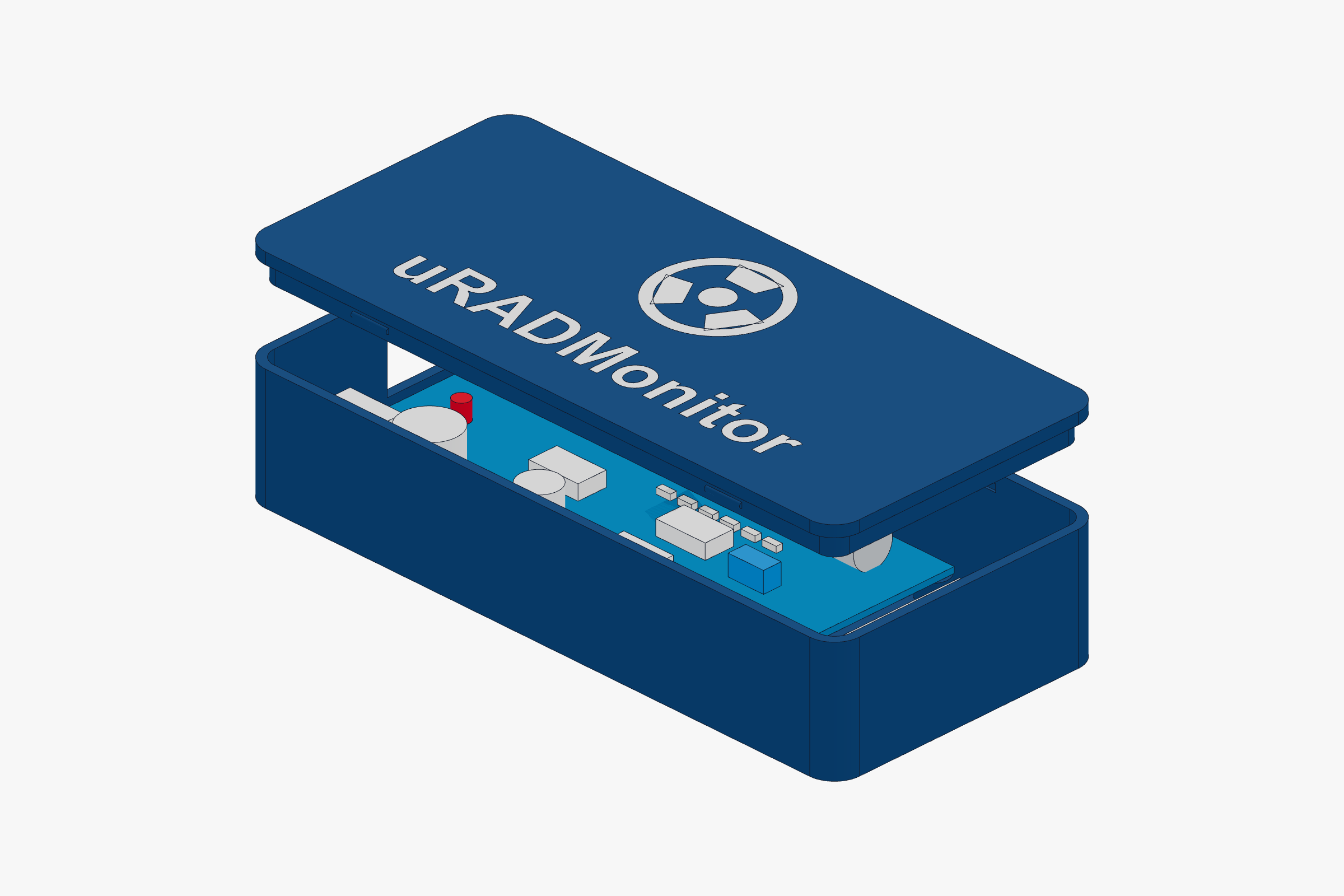
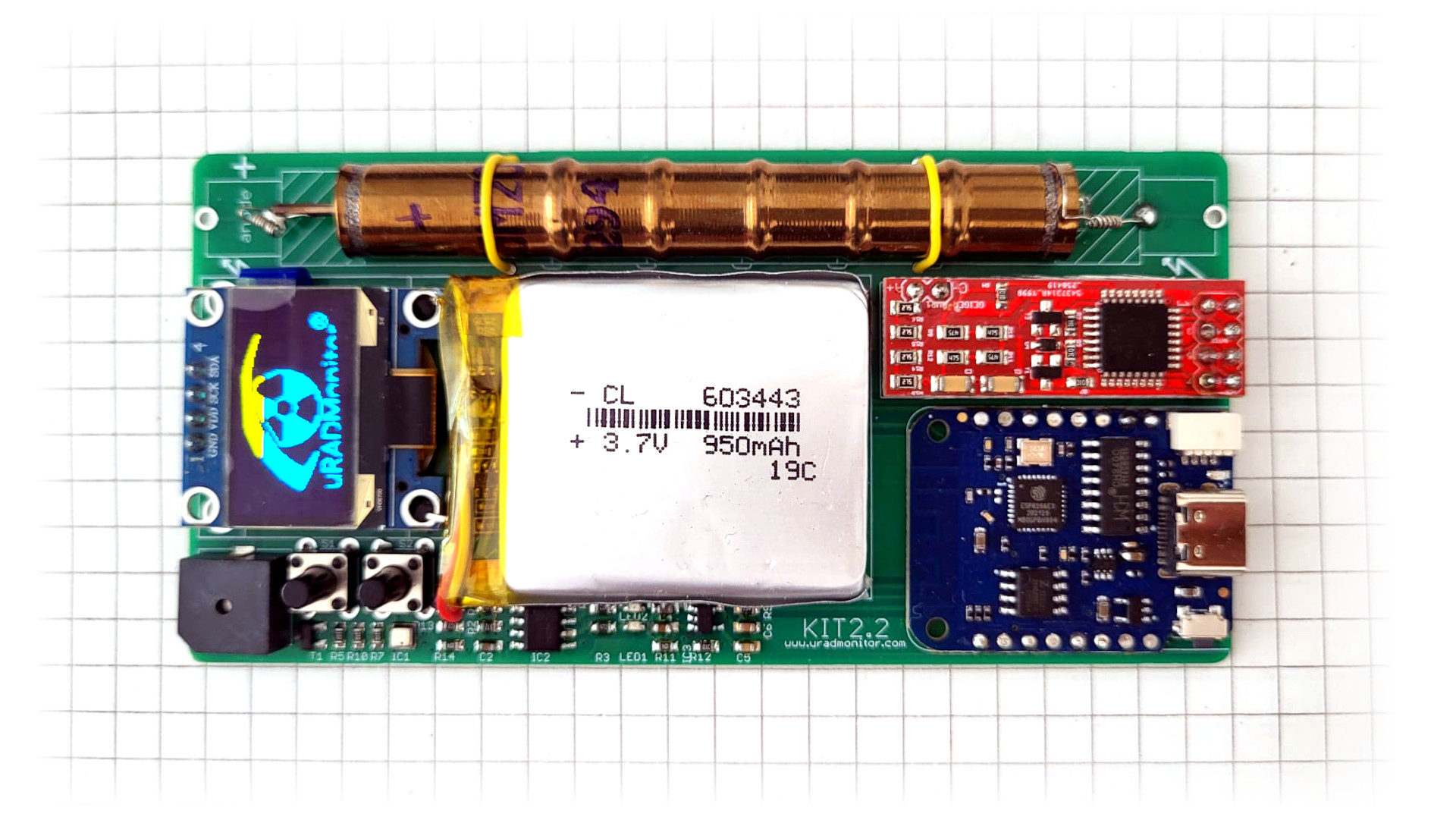
uRADMonitor KIT2: A Portable Open-Source Geiger Counter Built for Students

The TechMP Webinar, July 15, 2026 uRADMonitor founder Radu Motișan was invited as a speaker in a live webinar organised by the University of Craiova, hosted by lect.univ. Ph.D. Mihaela Tinca Udriștioiu. The session brought together over 50 participants from Romania, Bulgaria, Greece, and North Macedonia, covering everything from the physics of ionising radiation to […]

Read More >>

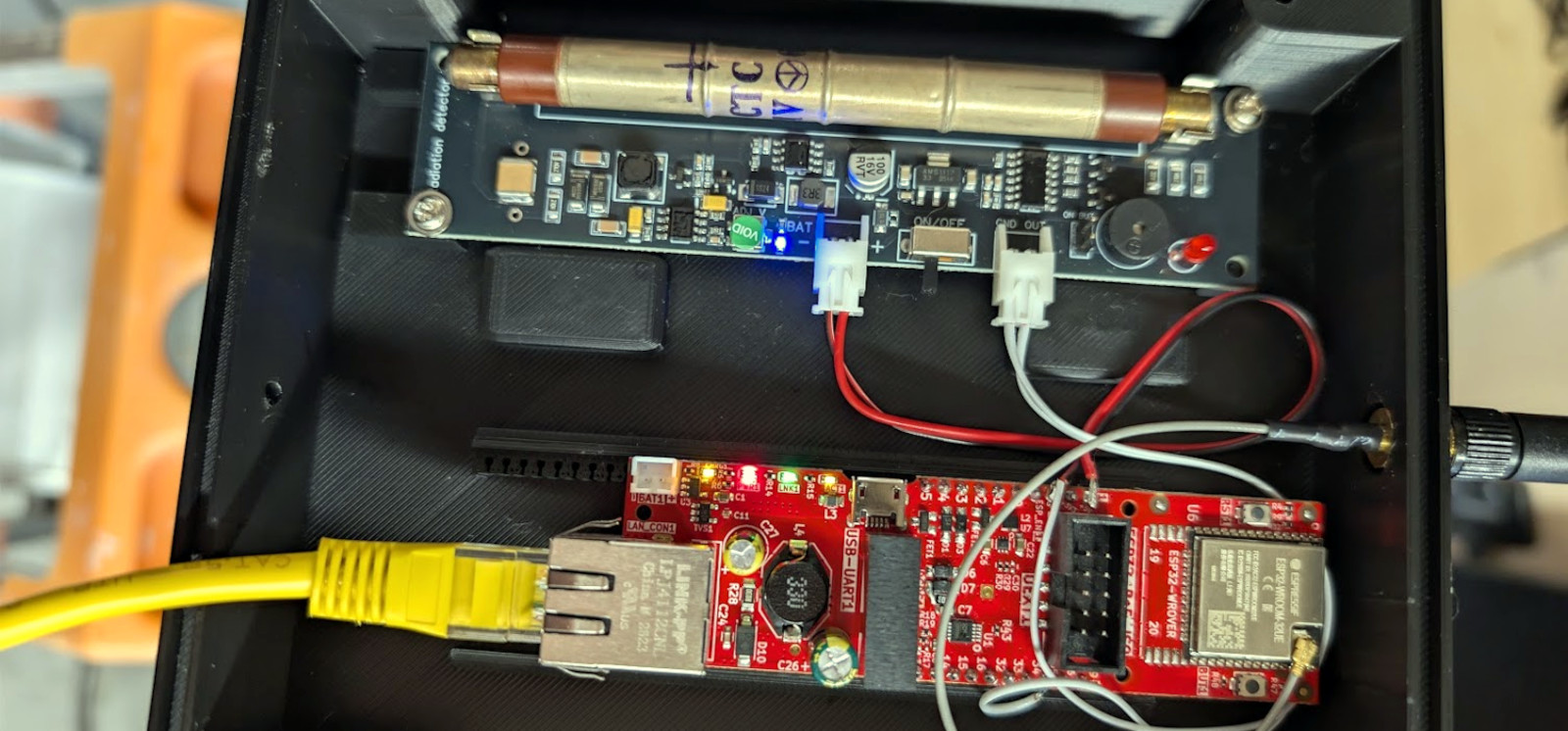
A PoE radiation station on ESPHome, and why it does not upload by itself

Hi everyone, This is a write-up of my open-data station: an SBM-20 in a GGreg20_V3 front end, an Olimex ESP32-POE-ISO-EA-IND doing the counting, and Home Assistant doing the uploading. Device ID 13000200, currently in Estonia. The headline is that I did not write any firmware. The whole thing runs on stock ESPHome — about thirty […]

Read More >>

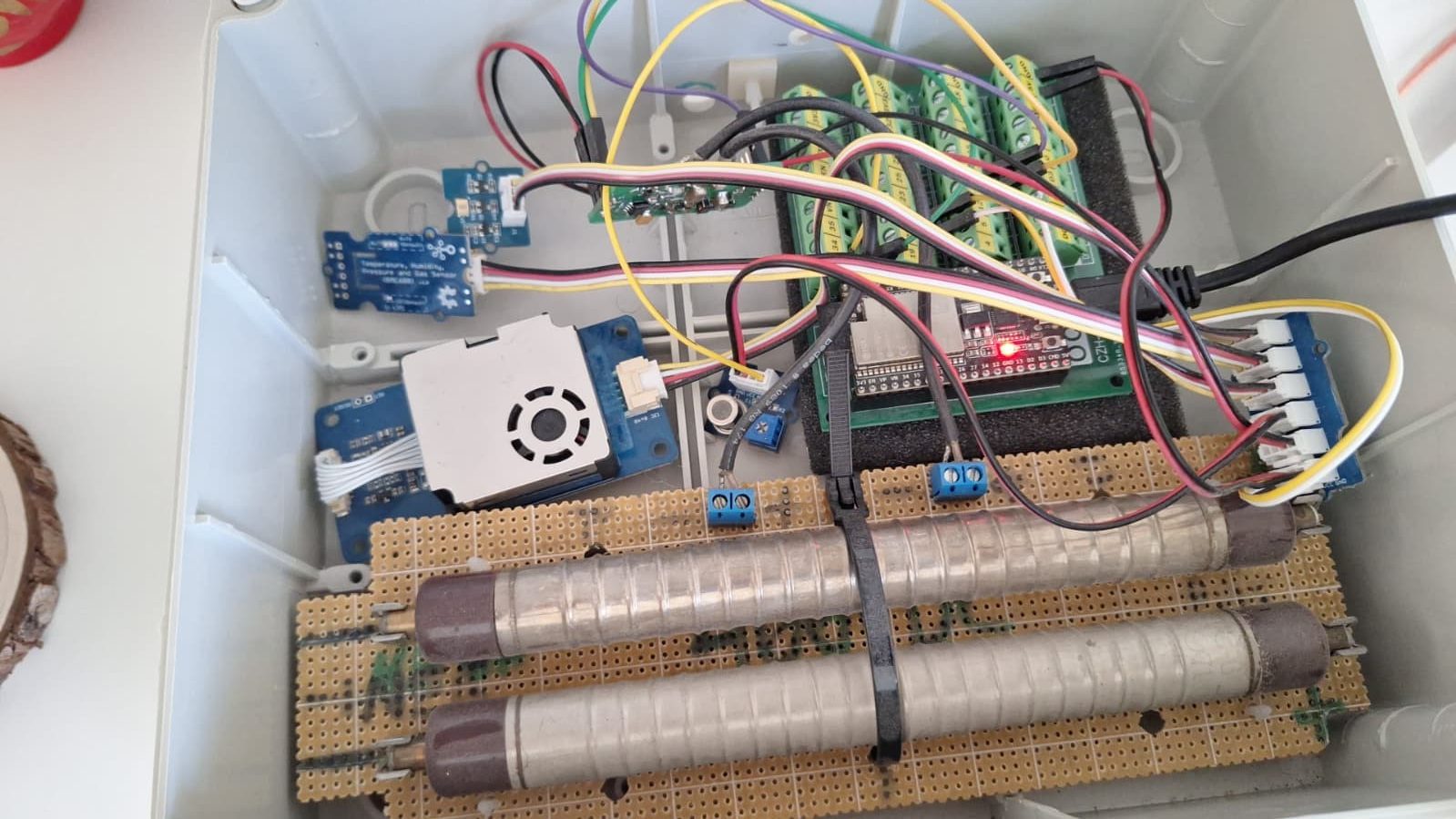
DIY environmental logger with ESP32

Hi all, Back in 2021 I started off with a very simple Heltec wifi kit 32 and since then I’ve been happily logging data using DIDAP (old method EXP1) protocol with a very basic interface and switched over to an Espressif ESP32 wrover-e with a little more advanced version thanks to it’s hardware specs and […]

Read More >>

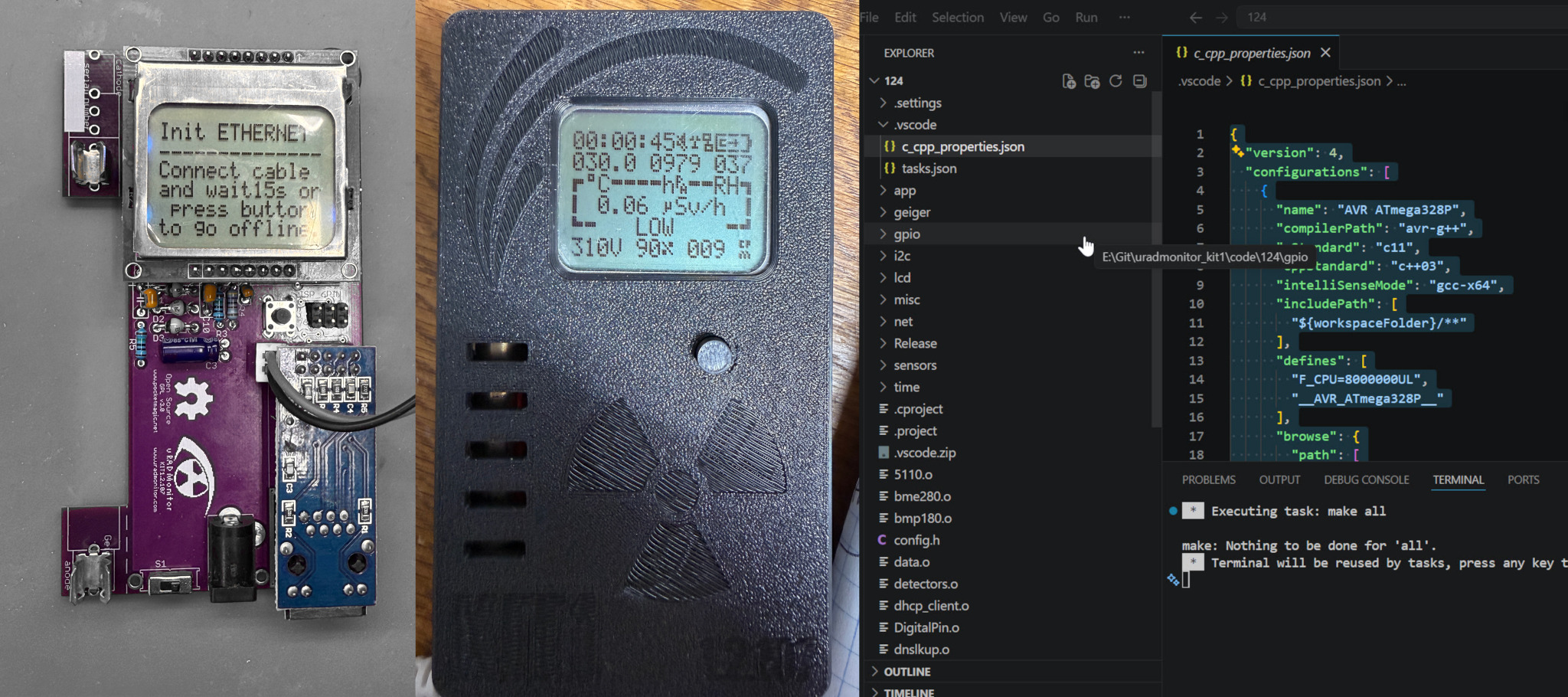
Compiling the uRADMonitor KIT1 Firmware in Visual Studio Code on Windows

This article documents the steps I used to compile the uRADMonitor KIT1 firmware from the Github code/124 directory using Visual Studio Code on Windows. The original uRADMonitor KIT1 firmware project was created for the AVR toolchain and appears to have been maintained using an Eclipse AVR-style project structure. That original setup is still valid, and […]

Read More >>

KIT1 “Community Edition”

For some time now, the community helped improving the KIT1 design spawning many custom variants. This proves the utility of the KIT1 as an IOT device: a tiny little gadget, that can talk to the internet on itself, using little power, equipped with a multitude of sensors to sense the world around us. All these […]

Read More >>

Open Source uRADMonitor KIT1

Open Source means collaborative work, joined effort leading to extraordinary things. Recently we saw how a talented maker from Oradea, Romania pushed his KIT1 #uradmonitor unit to the limit! He used a lot of his personal time to build and document something better than the original. In the end he asked for nothing except to […]

Read More >>

Building the KIT1 with extra features

Last week I’ve assembled a KIT1 and posted some details about it to the forum. radhoo praised the article and asked me to share it on this blog, maybe will be helpful for the readers. So, here is an updated “copy-paste” from the original post. The diy kit is based on the v1.1.104 pcb. It […]

Read More >>

uRADMonitor KIT1.1

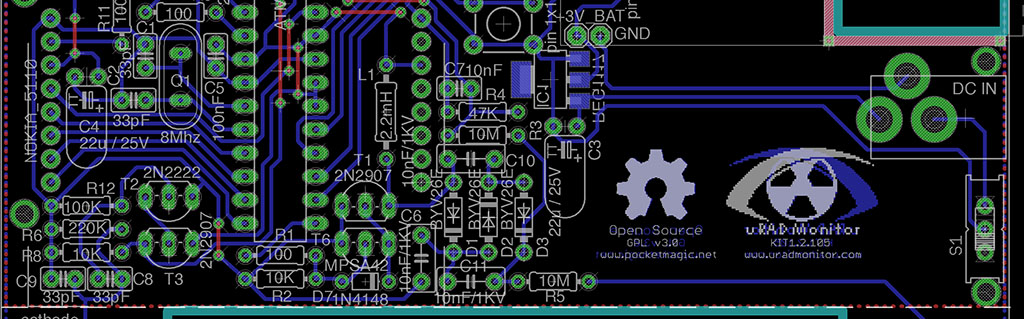
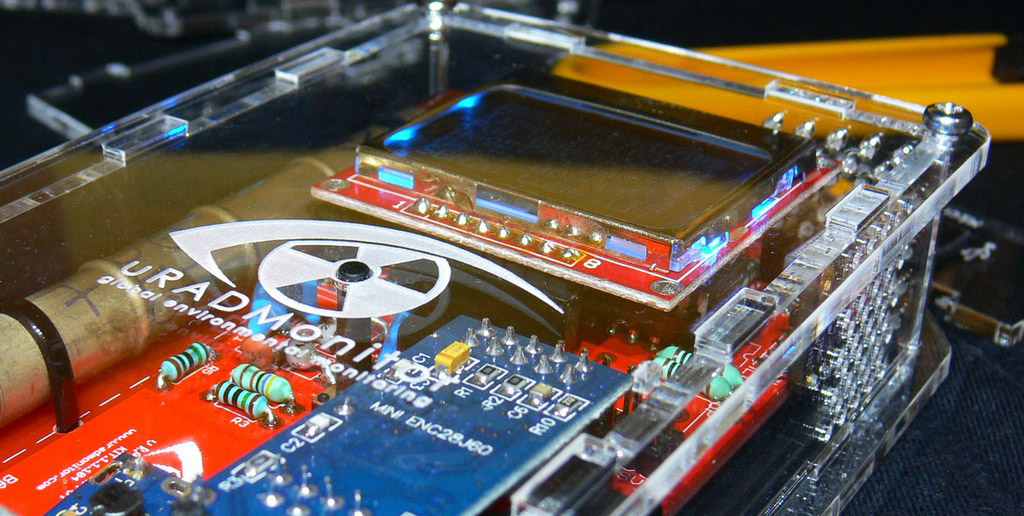
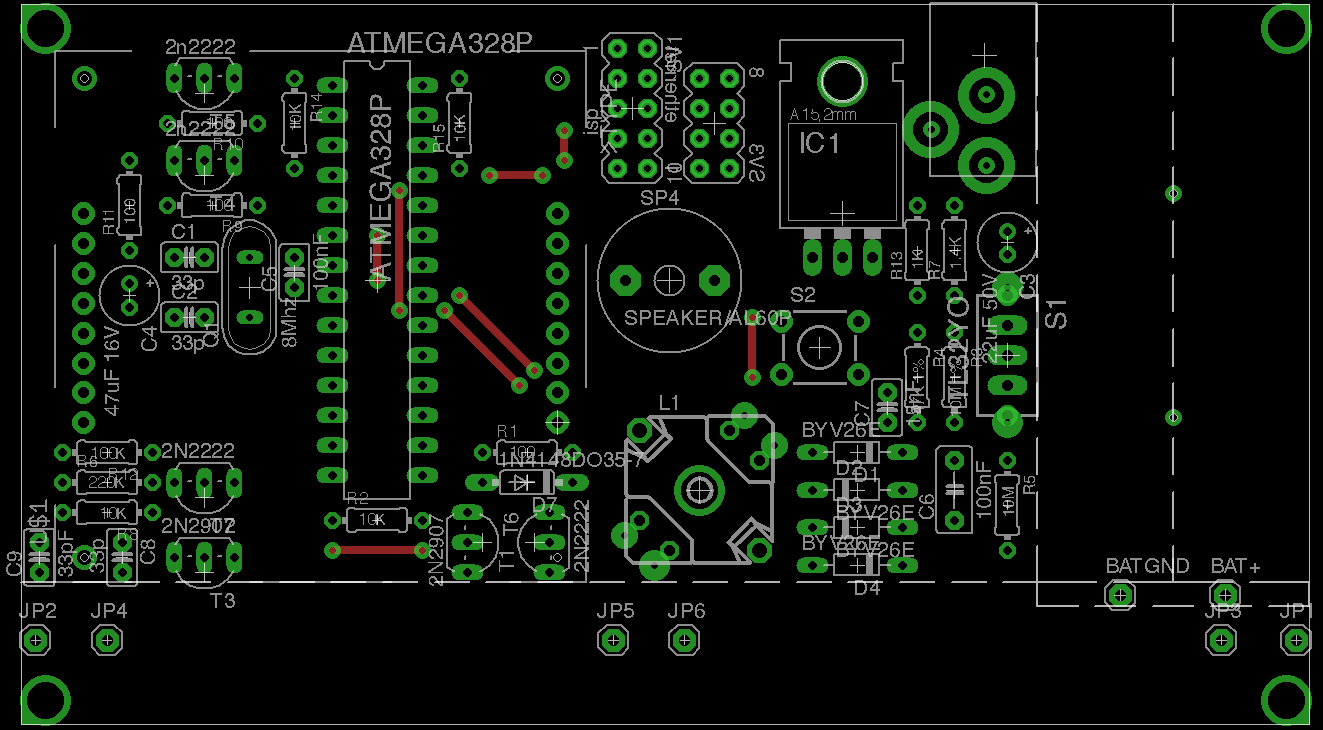
The uRADMonitor KIT1.1 is an Open Source Digital Radiation Dosimeter, that can be used both as a portable detector, but also as a monitoring station to upload readings to the uRADMonitor network. It relies on a Geiger tube to detect radiation. This can be build by anyone interested with minimum effort. Construction details are available […]

Read More >>

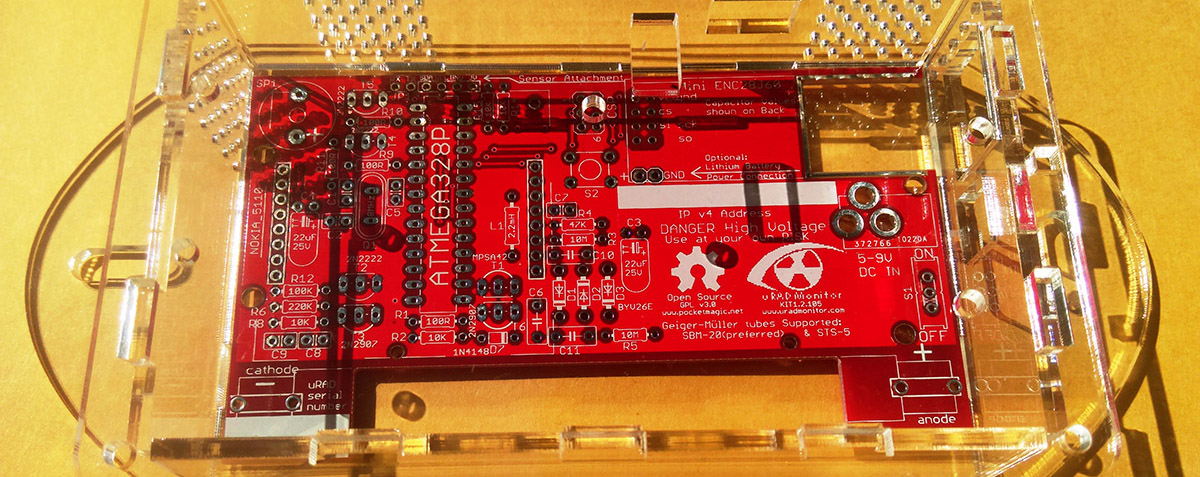
uRADMonitor KIT1

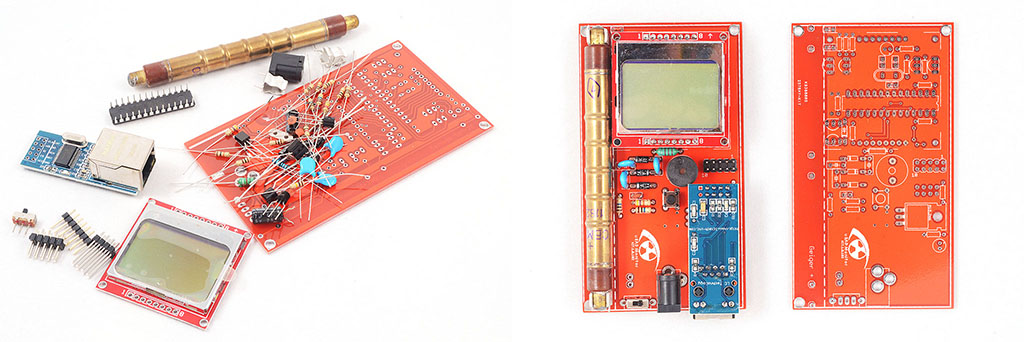
uRADMonitor KIT1 is the first open source DIY dosimeter KIT, that can be used to collect radiation measurements and push them to the uRADMonitor network. Similar to model B that is to be released later this year, the KIT1 is intended for those interested in building their own radiation devices and contribute to the uRADMonitor […]

Read More >>