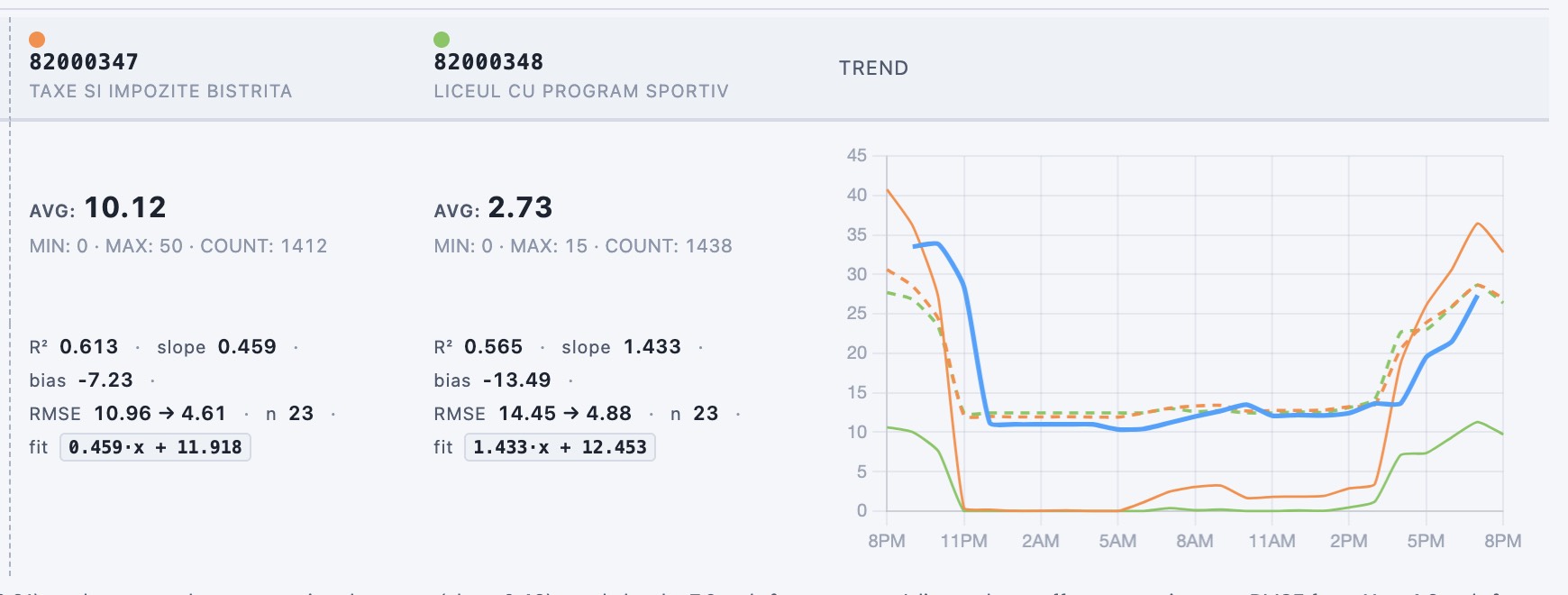
A lab study once needed months and thousands of euros to produce one correction equation. The new intercomparison tool does it in minutes, for any parameter, and lays the groundwork for a self-calibrating network.
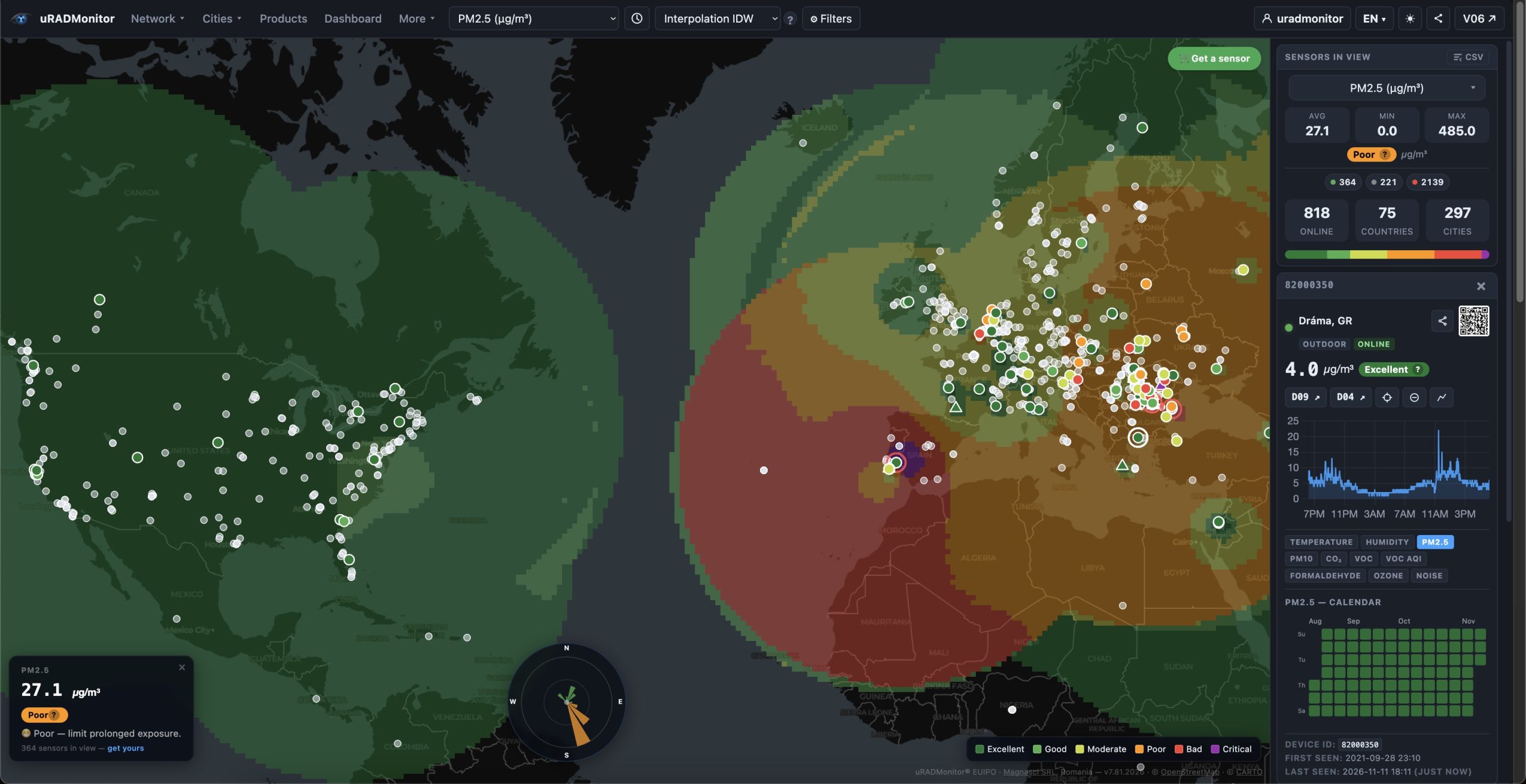
uRADMonitor now ingests RNMCA, Romania’s national air-quality network, as native data: its reference stations join the live map and API beside the low-cost sensors. The first government network integrated, with more to follow, and the foundation for real-time, AI-assisted sensor calibration.
Since 2012, uRADMonitor has developed into a distributed environmental monitoring
network with more than 4,000 connected sensors. This case study examines the technical,
organizational and governance mechanisms that support long-term operation and public
access to environmental data beyond individual funding cycles.
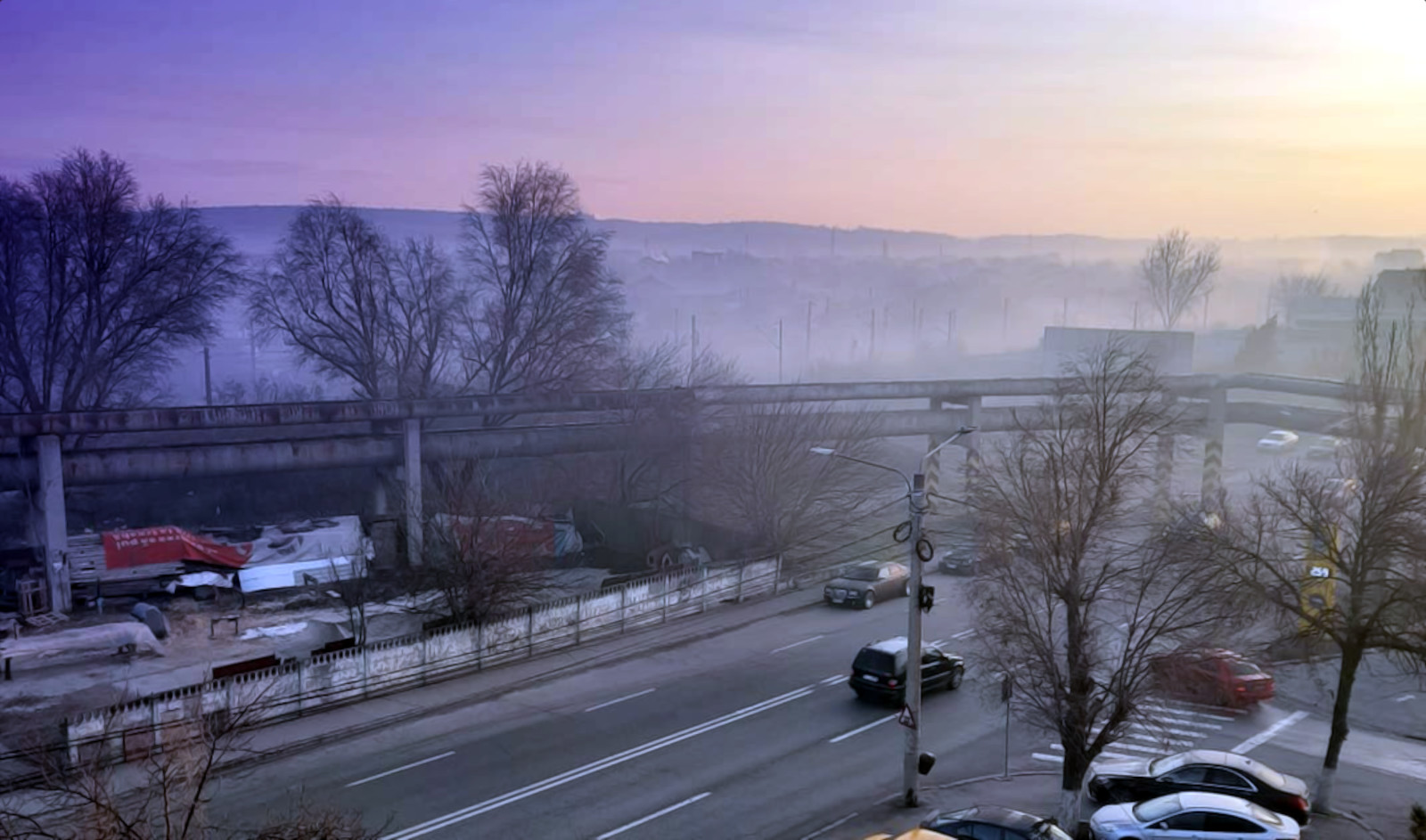
Smog is visible air pollution from particles and reactive gases. Learn the two types of smog, what causes it, its health effects, and how to track smog near you in real time.
What to measure, which instruments to use and how to read the results. A practical guide to measuring air pollution indoors and outdoors, from reference stations to low-cost sensors.
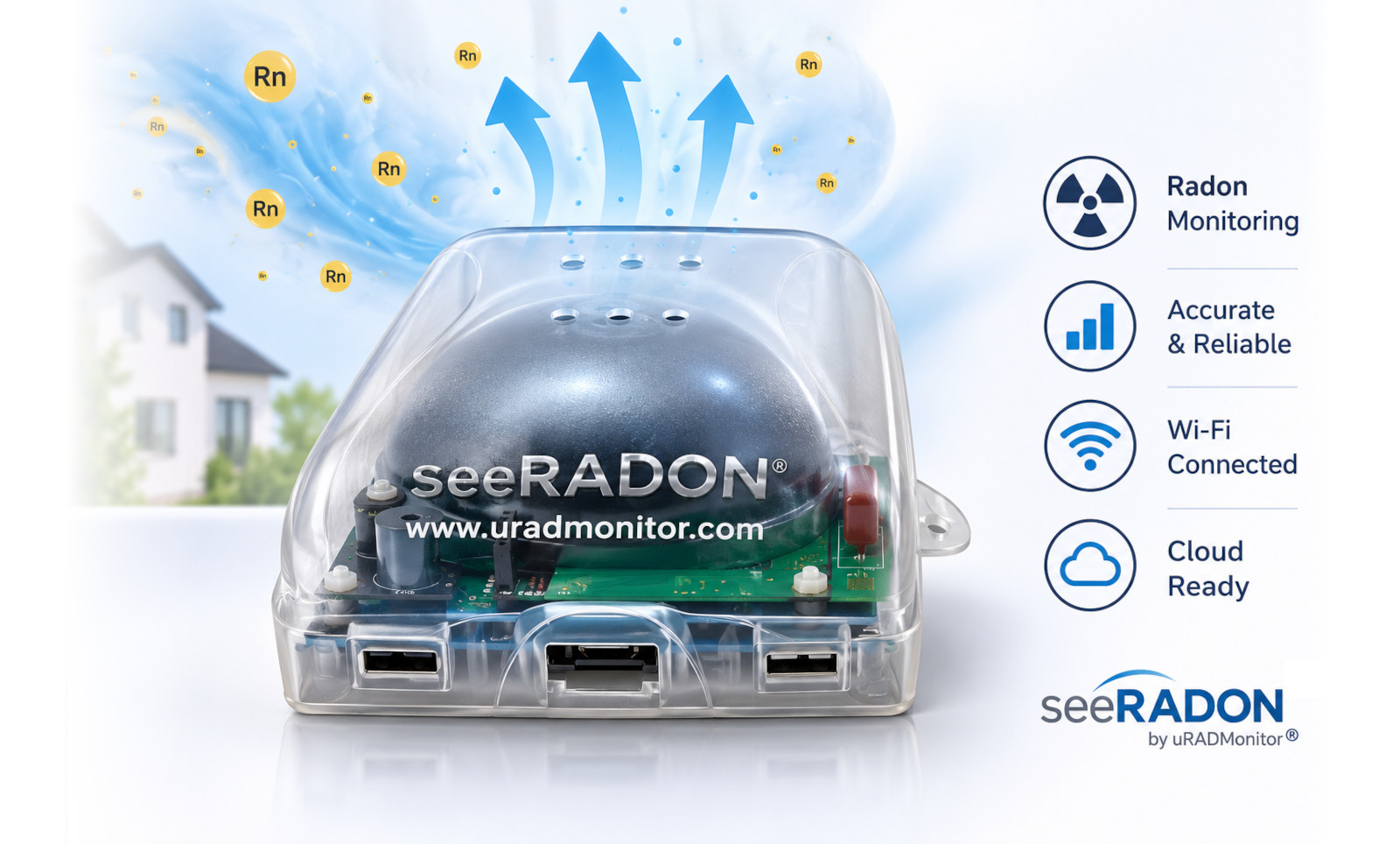
Radon is the second leading cause of lung cancer. Learn the types of radon detector, how continuous radon monitoring works, where to place it and how to read the results.
uRADMonitor now has a Cities entry in the top menu. It turns the live sensor network into a set of clean, per-city air-quality pages: pick a country, pick a city, and see what the air is doing there right now and over the last 30 days, all from public data the network already collects. Where […]
An air quality sensor measures the pollutants you actually breathe. Learn how they work, what to measure, and how to pick one that gives trustworthy data.
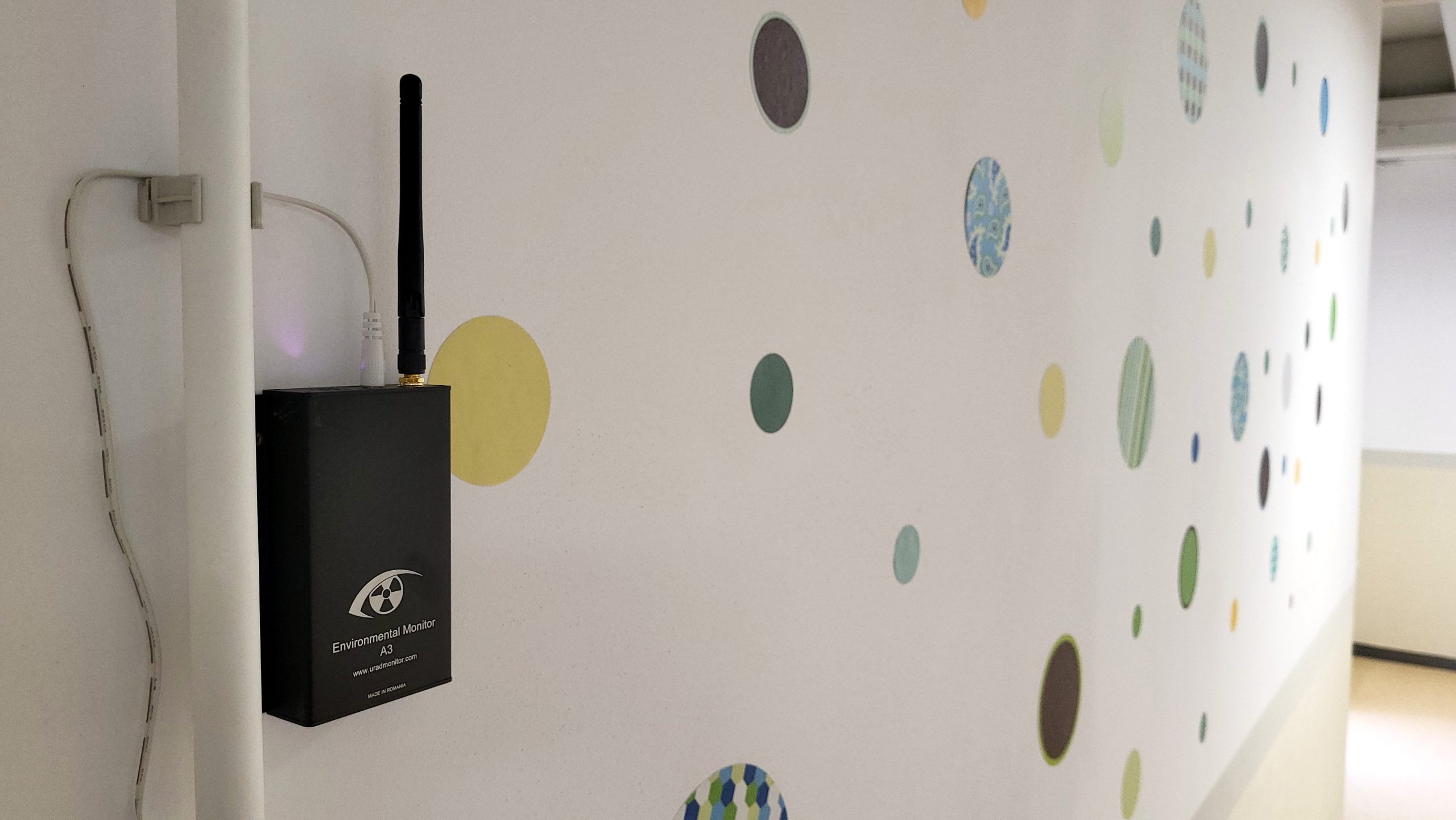
At Școala Gimnazială Dumbrăvița, Timiș County, two uRADMonitor MODEL A3 stations have been running since December 2025 in the “Casa Albă” building on Creației street. One is in the entrance hall and serves as a reference for the building. The other is in the classroom of the 3rd grade, class F. Every three minutes, each […]
Introduction The goal of this project was to bring data from two different measuring devices I use into the uRADMonitor network: a GQ RadonPro for measuring radon concentration and ionizing radiation, and an AirGradient Open Air O-1PST for monitoring outdoor air quality. Both devices are connected to Home Assistant, which made it a natural bridge […]
Indoor air is often 2-5x more polluted than outdoors. Learn the main indoor air pollution sources, health effects, and how to measure and reduce them.
Automated airquality monitoring provides more options over using handheld units occasionally. Mapping data trends becomes possible thanks to continuous surveillance and a permanent data flux. We have a higher detection capability for small variations and can trigger automated alarms if predefined thresholds are reached, improving reaction time while lowering costs. But things get even better […]
Caterpillar Inc., a world-renowned manufacturer of construction machinery and mining equipment, recently anounced the S61 – a smartphone equiped with a VOC sensor (volatile organic compounds), making it the world’s first mobile phone capable of detecting toxic chemicals in the air. S61 Smartphone Air quality history data The smartphone was presented at the Mobile World […]
VOC sensors are nothing new to this project, we’ve used them intensively in the uRADMonitor hardware units. Back in 2015, the Bosch BME680 was integrated into the uRADMonitor model D, followed by the model A3 using the same excellent sensor. Now the uRADMonitor AIR, our first wearable, relies on the BME680 again for a low […]
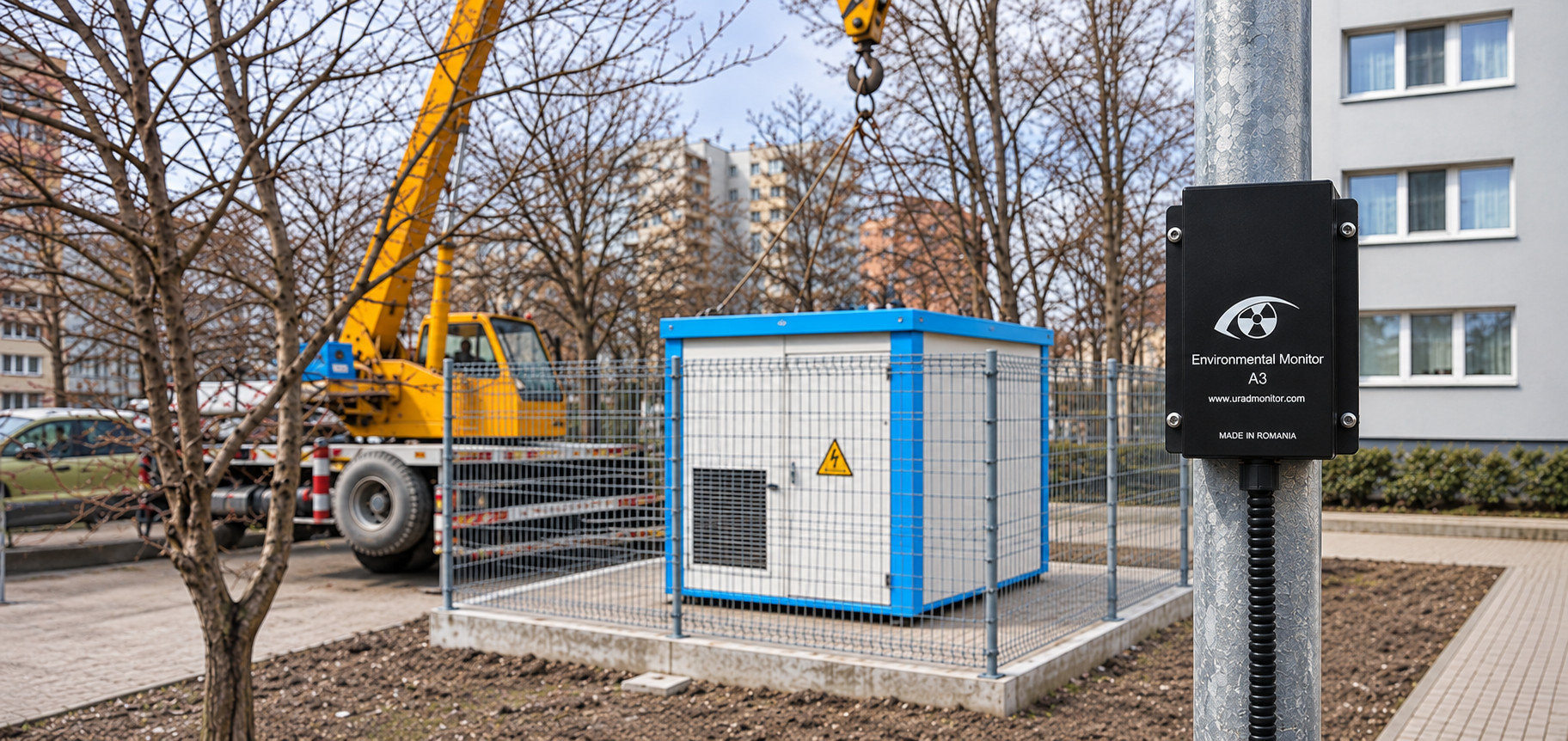
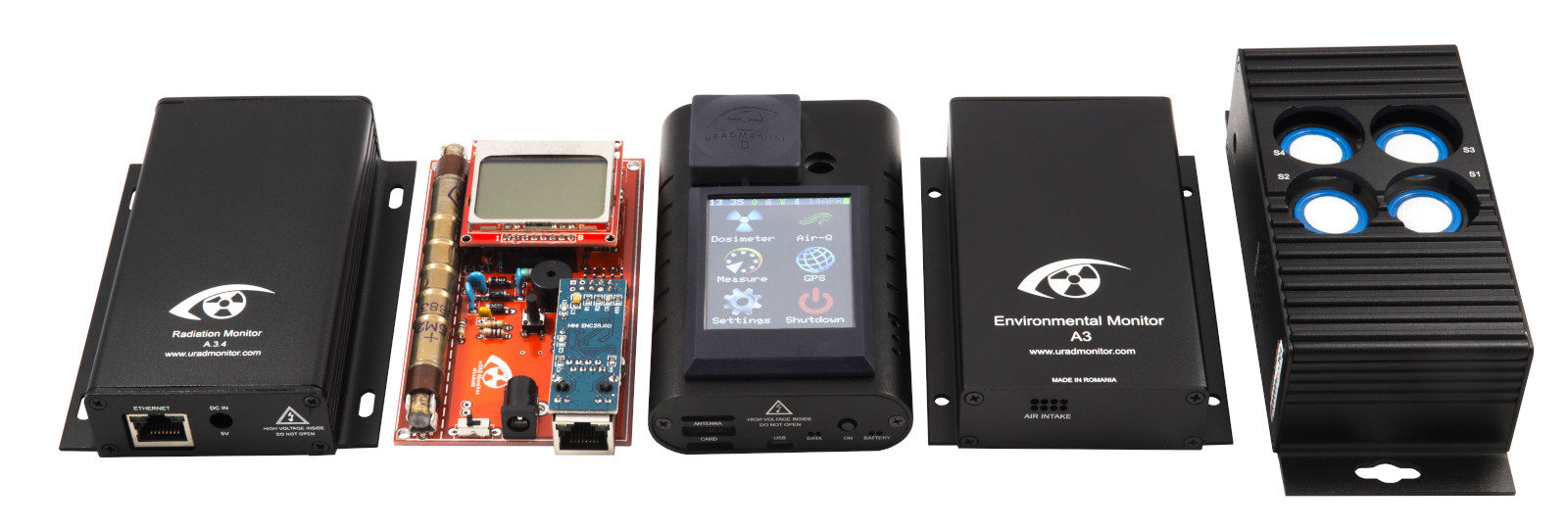
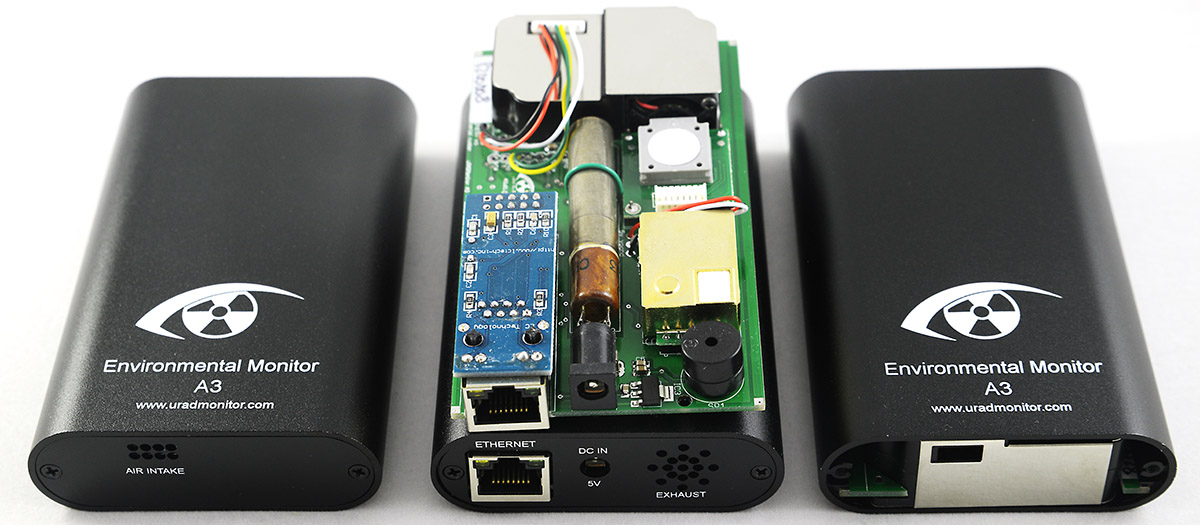
uRADMonitor Model A3 is a fixed monitoring station designed to measure a total of 8 important parameters related to pollution and air quality, continuing the environmental monitoring direction that was introduced by the Model D. It was first announced in June 2016, initially being deployed in public transportation, marking our company’s first steps towards the […]