A Geiger counter detects ionising radiation and reports it in CPM or µSv/h. Learn how GM tubes work, what the readings mean, and how to choose a monitor.
A Geiger counter detects ionising radiation and reports it in CPM or µSv/h. Learn how GM tubes work, what the readings mean, and how to choose a monitor.
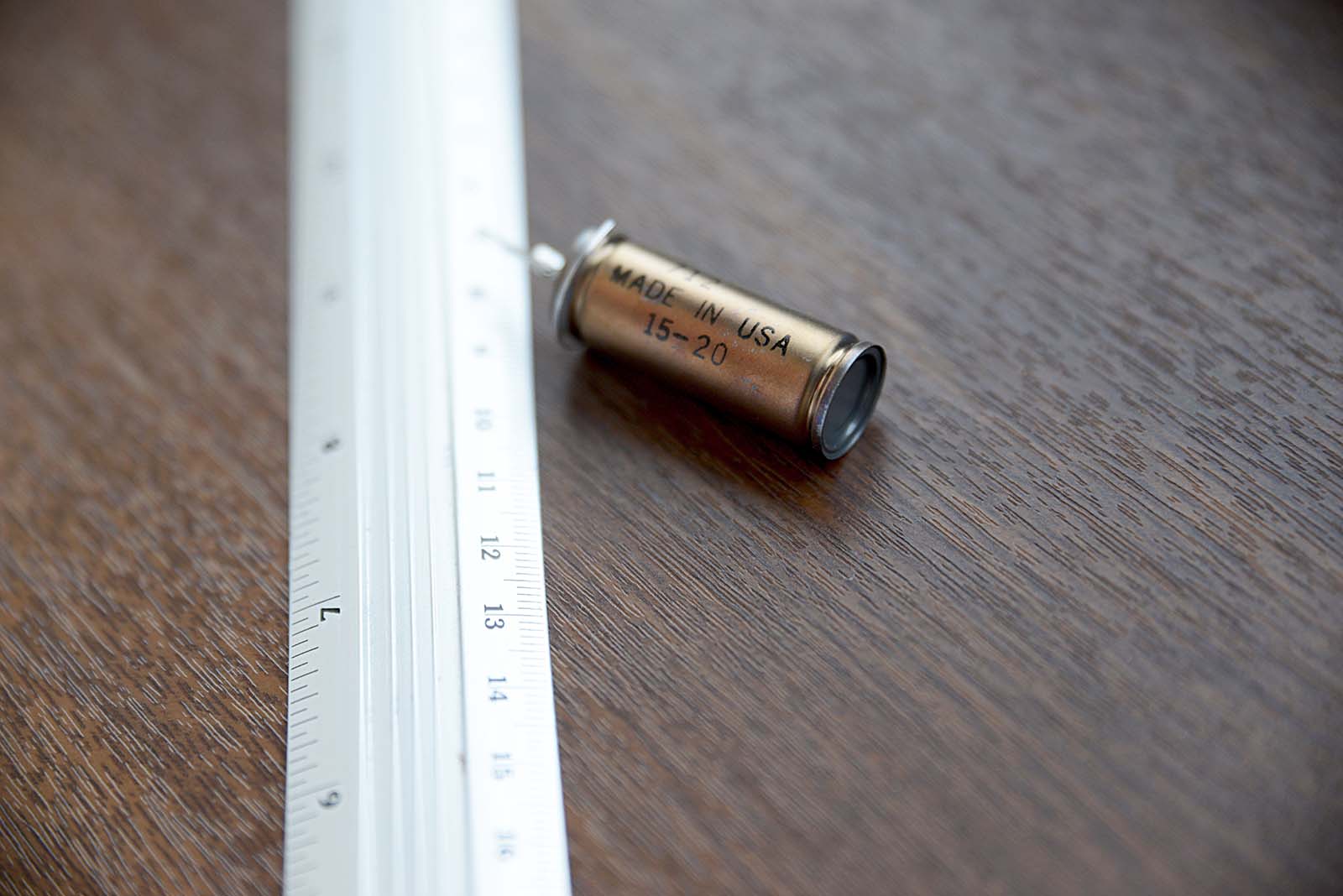
The previous blog entry on the uRADMonitor D presented a few details on this new radiation detector, stating that it will be able to detect not only gamma radiation, but also beta and alpha (including radioactive radon sources). One problematic issue was sourcing the proper detector, one that was both sensitive and small to fit […]

Normally, the Geiger tube delivers a sharp short pulse, with an abrupt descending path, as the quenching gas very quickly neutralises the conductive ions, and so terminating the current flow. The uRADMonitor pulses appear with a slightly rounded tip because an extra capacitor is added in the circuit, named the “compensation capacitor”. All uRADMonitor model […]
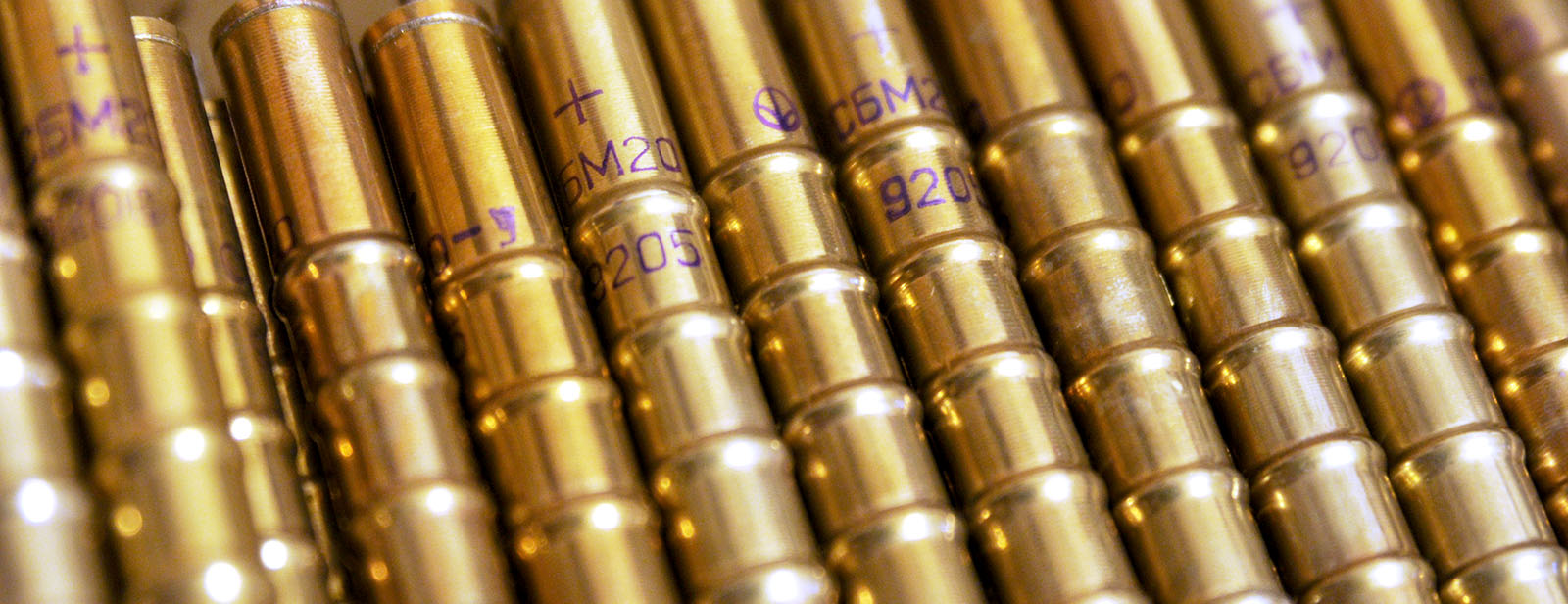
The Geiger-Müller tube is the heart of every Geiger counter. See which GM tubes uRADMonitor uses and how they detect alpha, beta and gamma radiation.
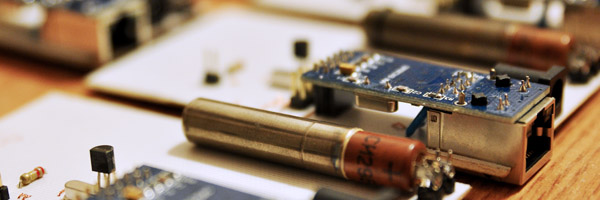
It’s been a long road getting here, a road paved with constant innovation. And it’s a longer road ahead. The first uRADMonitor was a crude prototype, with jumping wires on a test board, it got its own PCB soon. The following models were a new design, more compact using the smaller SBM-20 and SI-29BG tubes, […]