
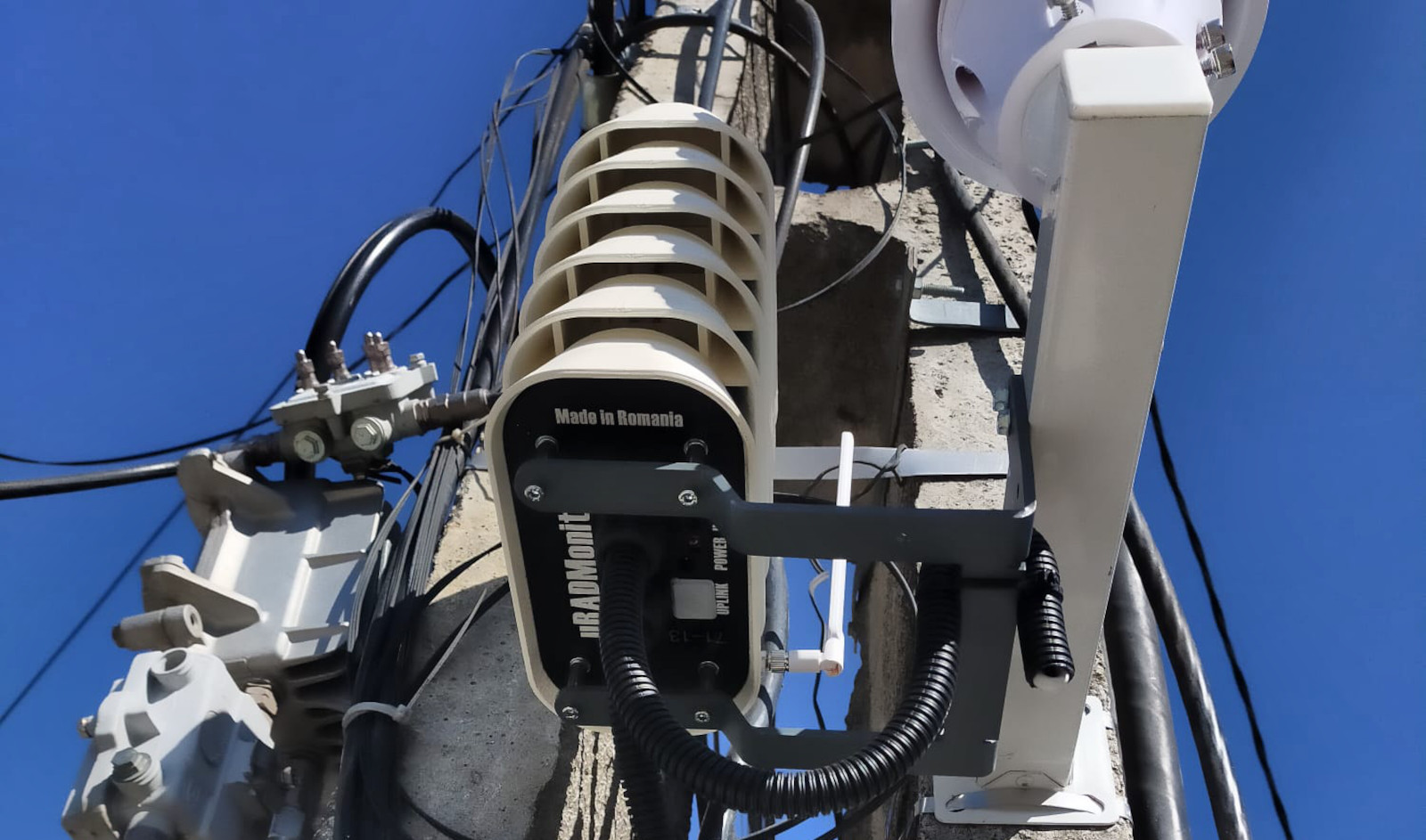
You cannot manage air pollution you cannot see, and most of the pollutants that matter are invisible and odourless. Measuring air pollution means tracking a few key indicators with the right instrument, continuously rather than once, so you can tell clean air from polluted air and see what makes it change. This guide covers what to measure, how to measure it and how to read the results.
What to Measure
Air pollution is not one thing. The indicators with the largest health impact, and the ones worth measuring first, are:
- Particulate matter (PM1, PM2.5, PM10): fine particles from combustion, traffic, dust and smoke. PM2.5 has the single largest health impact and is the first thing to measure.
- Gases: nitrogen dioxide (NO₂) and ozone (O₃) outdoors; carbon monoxide (CO) near combustion; volatile organic compounds (VOCs) indoors.
- CO₂: not a pollutant in the toxic sense, but the best proxy for how well an indoor space is ventilated.
How to Measure It: The Instruments
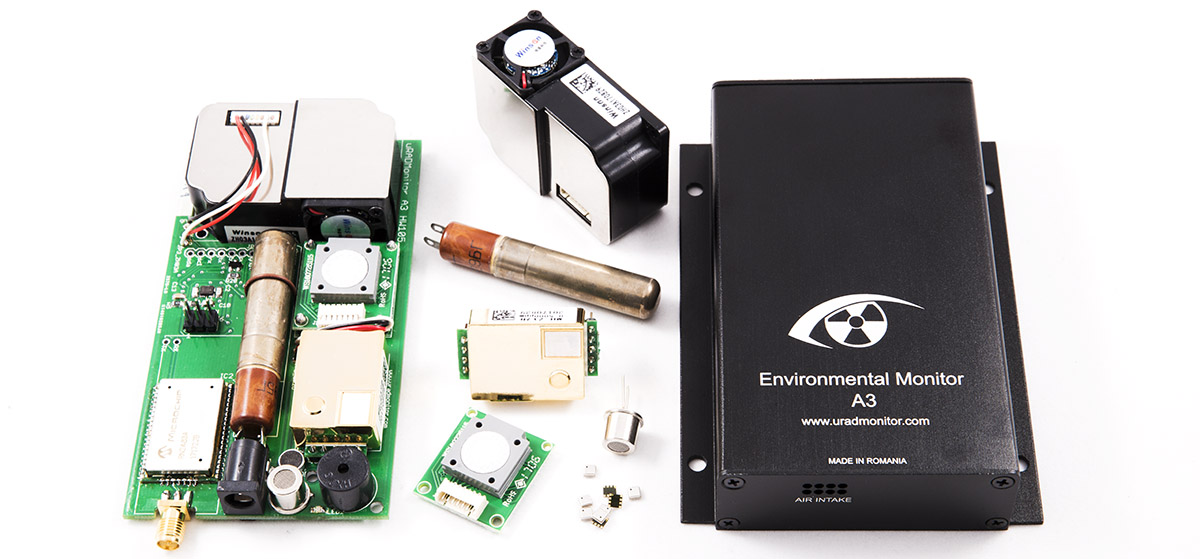
There are three broad options, in rising order of accessibility:
- Reference stations: the official regulatory monitors run by environmental agencies. The most accurate, but large, expensive and sparse, often one per city.
- Low-cost sensors: compact electronic monitors (optical for PM, electrochemical or metal-oxide for gases). Far cheaper and dense enough to cover a street or a room. Accuracy is good when the device is well designed and lab-tested.
- Sensor networks: many low-cost monitors reporting to a shared live map, which turns individual readings into city-wide coverage.
For a home, a school or a city project, a lab-tested low-cost monitor is the practical choice. Our guide on what an air quality sensor is explains how these devices work, and how to choose an air quality monitor walks through the seven questions that matter before you buy.
Measuring Indoors vs Outdoors
Outdoors, mount the monitor in the open air, away from direct exhaust sources, at roughly breathing or rooftop height, and shield it from rain and direct sun. You are measuring the air the neighbourhood breathes. Indoors, place it in the room people use most, away from the stove and windows, and watch how cooking, cleaning and ventilation move the numbers. Indoor pollution is often higher than outdoor, a point we cover in indoor air pollution.
How to Read the Results
A single reading means little; patterns mean everything. Compare your PM2.5 against the WHO guideline of 15 µg/m³ over a 24-hour mean (and 5 µg/m³ as an annual average). Many monitors also show the European Air Quality Index, a colour band from “good” to “extremely poor” that is easier to act on than a raw number. Watch the daily rhythm: a PM2.5 spike during the evening rush or morning cooking, a CO₂ climb in a closed bedroom overnight. Those patterns tell you where the pollution comes from and what to change.
To see what continuous, networked measurement looks like in practice, browse live readings on the air quality by city pages, or put your own location on the map with a sensor from the uRADMonitor range.
Measuring Air Pollution: Frequently Asked Questions
What is the easiest way to measure air pollution at home?
A compact, lab-tested air quality monitor that tracks PM2.5 (and ideally CO₂ and VOCs) continuously. It needs no lab skills: you place it, power it, and read the live values and trends.
Are low-cost air quality sensors accurate?
Well-designed, lab-tested units track reference instruments closely for PM2.5 and are more than accurate enough to see trends, sources and exceedances. They complement, rather than replace, official regulatory stations.
What is a safe level of air pollution?
The WHO recommends PM2.5 stay under 15 µg/m³ over 24 hours and 5 µg/m³ as an annual average. Lower is better; there is no threshold below which fine particles are entirely harmless.
Do I need to measure gases as well as particles?
Start with PM2.5, the highest-impact pollutant. Add CO₂ indoors to judge ventilation, and gases like NO₂, O₃ or CO where traffic or combustion sources are relevant. Multi-parameter monitors cover several at once.
Liked this? Get monthly air quality findings.
One email a month from the uRADMonitor network. Unsubscribe anytime.

codemore code
~~~~