
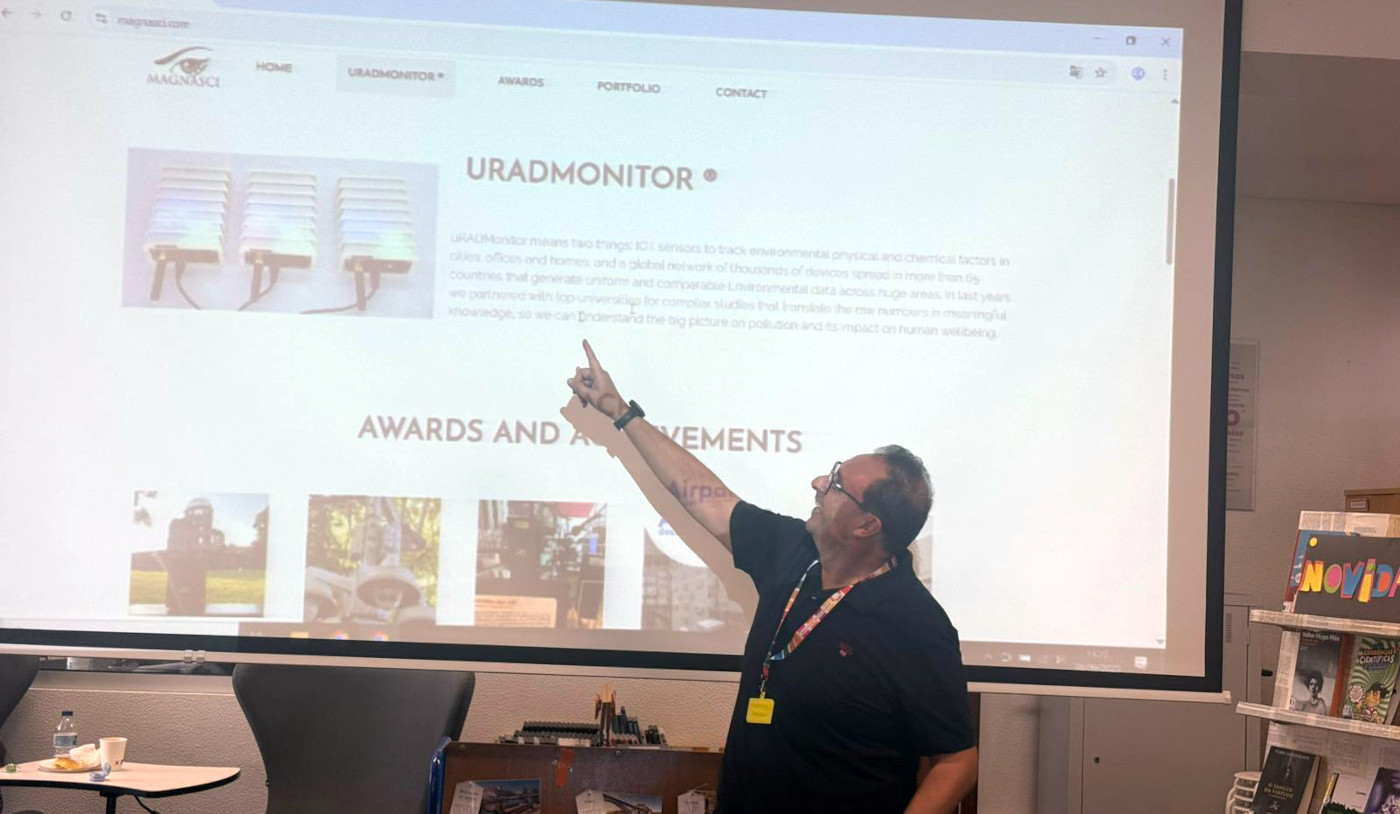
What if students could measure the air quality of their own school yard, compare it with data from a school in Portugal, and contribute that data to a global environmental monitoring network, all as part of their classroom curriculum? That is exactly what the EcoRoots Erasmus+ project is doing, and Școala Gimnazială Slobozia Mândra from Teleorman County, Romania, is one of the schools making it happen.

About the EcoRoots Project
EcoRoots is an international Erasmus+ collaboration built around a straightforward but powerful idea: to create real change, we must first understand our environment. The project brings together schools from Romania, Turkey, Portugal, and Latvia in a joint effort to combine environmental monitoring technology, hands-on education, and cross-border collaboration.
The project has three pillars:
- Monitoring: using real IoT sensors to collect air quality data in and around participating communities
- Education: workshops, activities and programs to raise awareness about climate change, pollution, and sustainable living
- Language and collaboration: using English as a working language during Learning, Teaching and Training Activities (LTTAs), preparing students for international dialogue
Two mobilities have already been completed successfully: the first in Venda do Pinheiro, Portugal, and the second hosted by Școala Gimnazială Slobozia Mândra in Teleorman, Romania. A third mobility is planned in Turkey.
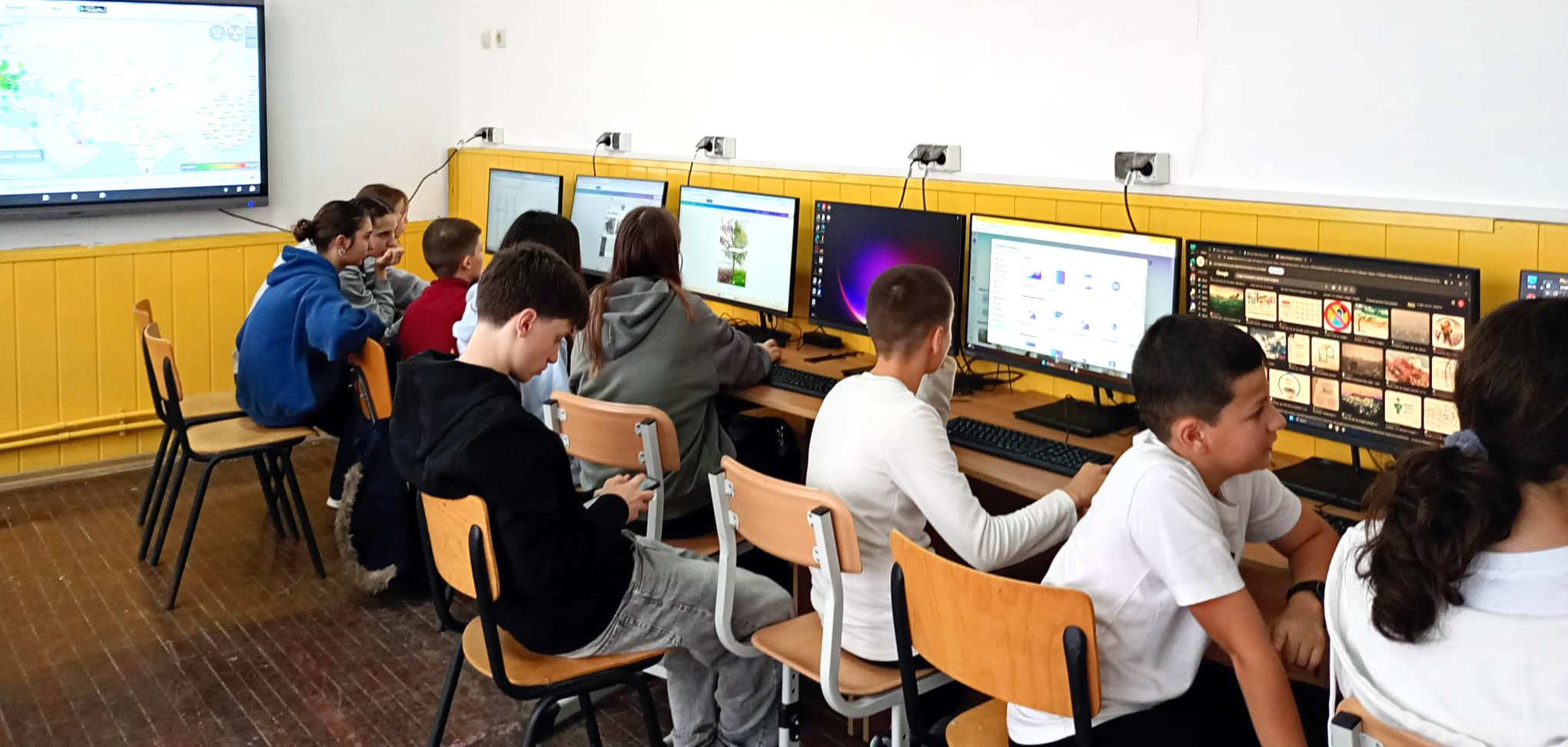
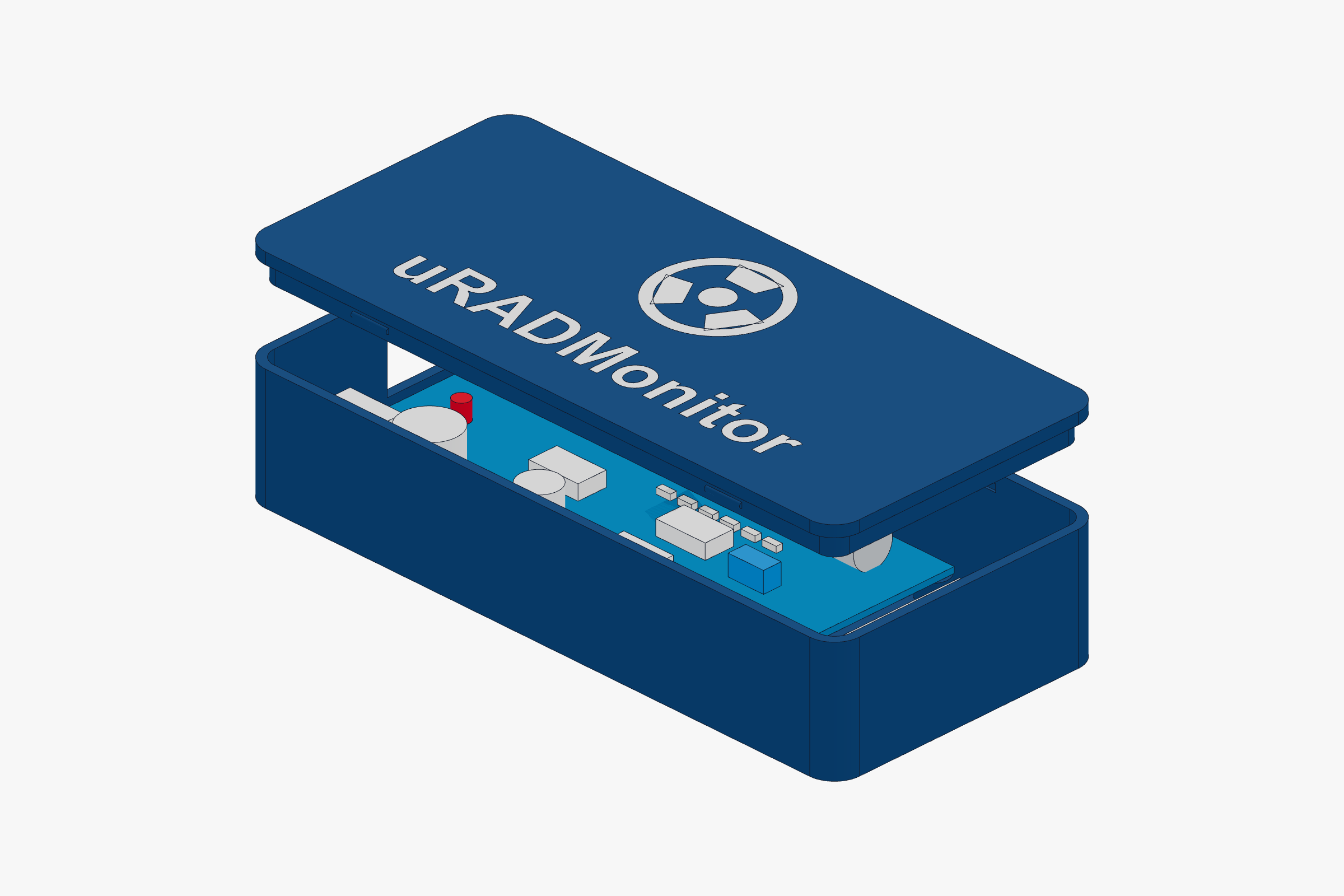
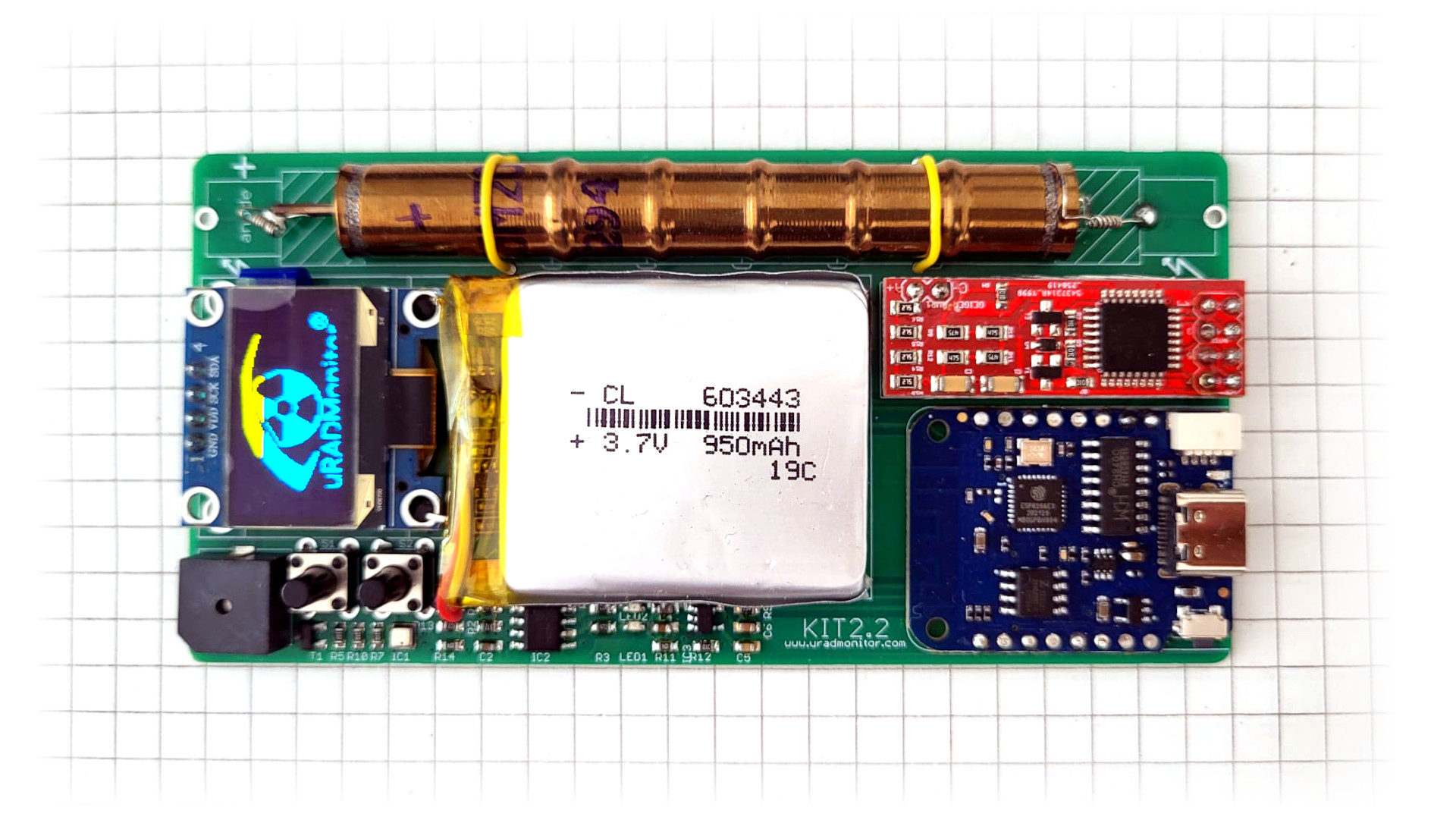
For the monitoring component of EcoRoots, the project partnered with uRADMonitor. Two sensor models were deployed across the project’s activities: the uRADMonitor Model A3 and the uRADMonitor SMOGGIE.
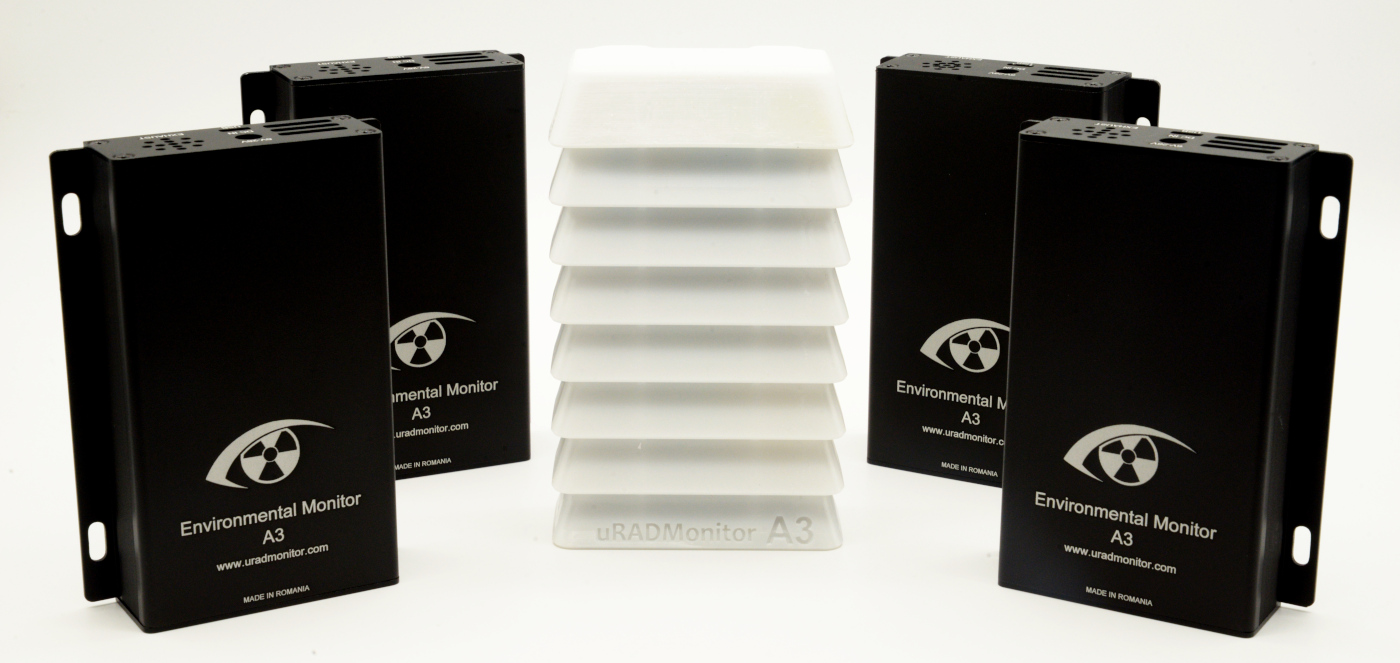
The Model A3 is a fixed, internet-connected environmental monitoring station designed for continuous, autonomous operation. It measures a wide range of parameters in a single compact unit: particulate matter (PM1, PM2.5, PM10), ozone, formaldehyde, CO₂, VOCs, temperature, humidity, and barometric pressure, with connectivity options including Ethernet, WiFi, GSM/GPRS, and LoRaWAN.
What makes the A3 particularly well-suited for educational projects like EcoRoots is the combination of real-time data access and public visibility. Every measurement the sensor makes is automatically uploaded to the uRADMonitor cloud and appears on the public global map at uradmonitor.com , meaning students can see their own school’s data alongside data from thousands of sensors around the world. This transforms a local classroom activity into a contribution to a global dataset.
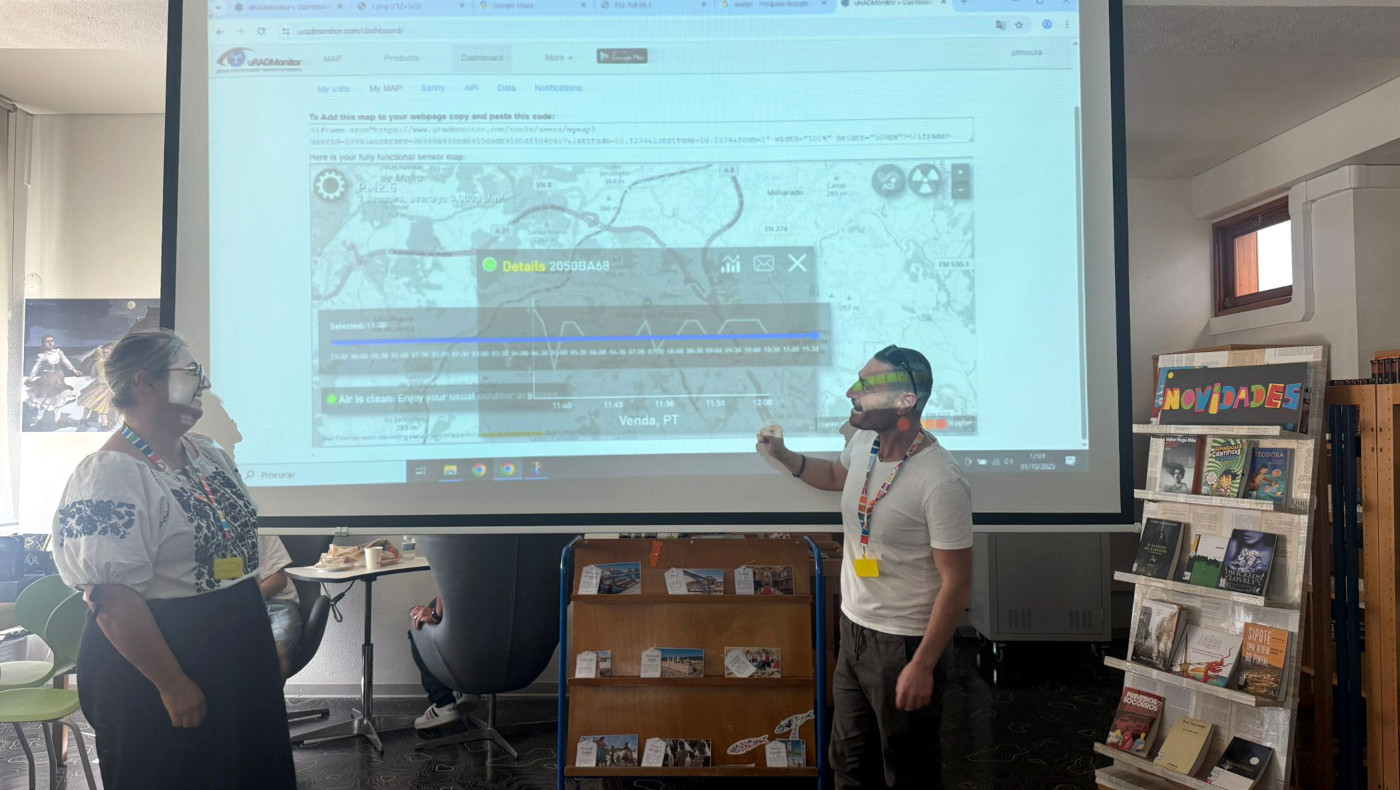
The A3’s modular design also means that sensor boards can be swapped for maintenance without technical expertise, a practical advantage for school deployments where specialist support may not always be available. Its rugged IP65-rated Stevenson Shield housing means it can be installed outdoors year-round . For Erasmus+ projects specifically, the A3 offers a compelling pedagogical dimension: students are not just reading about air quality from a textbook: they are generating real, validated scientific data, watching it appear live on a dashboard, and comparing it with data from partner schools in other countries. That kind of tangible, cross-border data sharing is hard to replicate with any other tool.
uRADMonitor SMOGGIE — Accessible, Deployable, Open-Source
The SMOGGIE is a simplified, lower-cost variant of the uRADMonitor family, designed for high-density deployments where affordability and ease of installation matter. It focuses on particulate matter (PM) and selected gas measurements, and connects via WiFi to the same uRADMonitor cloud infrastructure as the A3. One of SMOGGIE’s key advantages is its open-source hardware design, which was later released publicly , allowing schools, researchers, and makers to build or verify their own units. It has received recognition at the AIRLAB Microsensors Challenge in 2021 and 2023, validating its performance against reference instruments under real-world conditions including high humidity.
Measuring Air, Building Connections
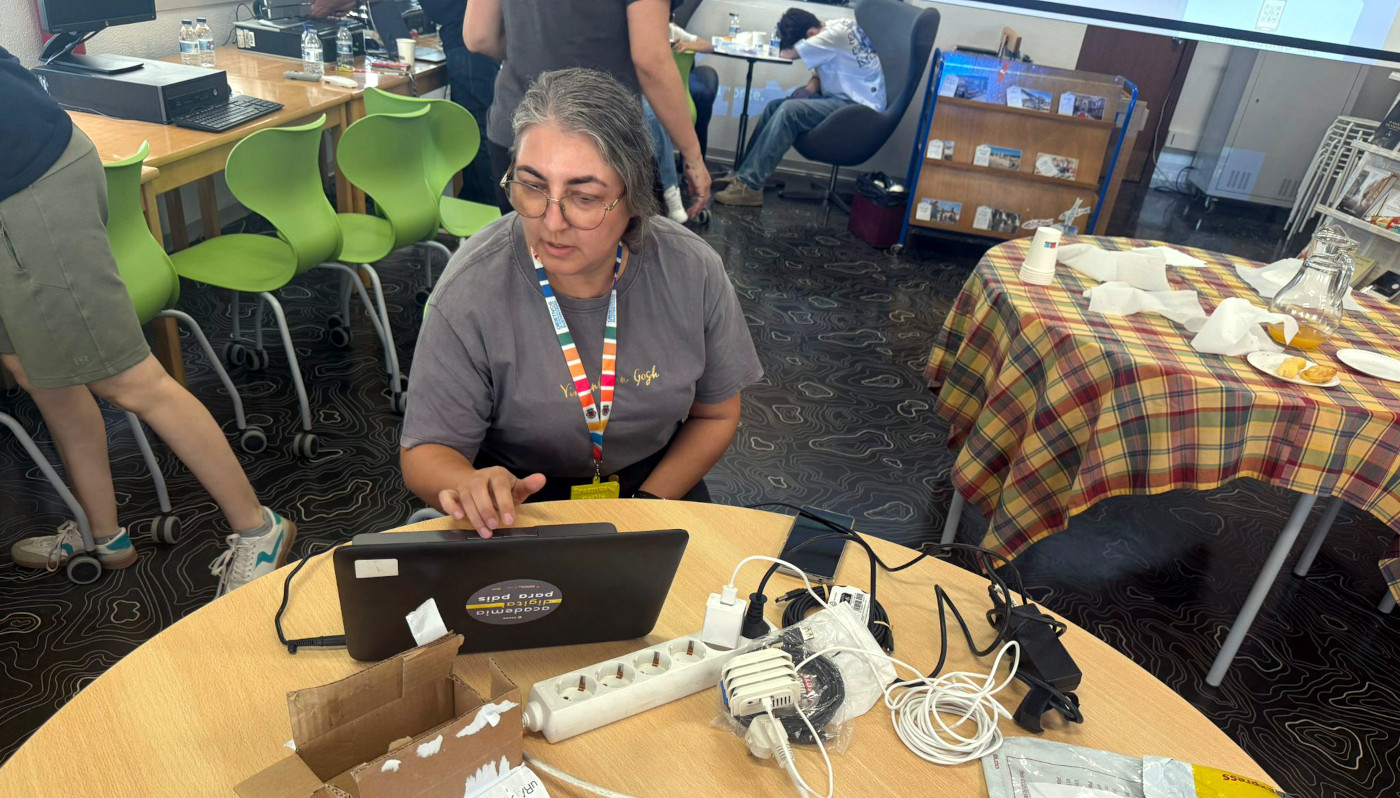
During the Portugal mobility, held in Venda do Pinheiro in November 2025, students from all four partner countries worked together to take measurements outdoors using uRADMonitor sensors. The sessions combined hands-on sensor operation with data analysis and group discussions about local environmental conditions.
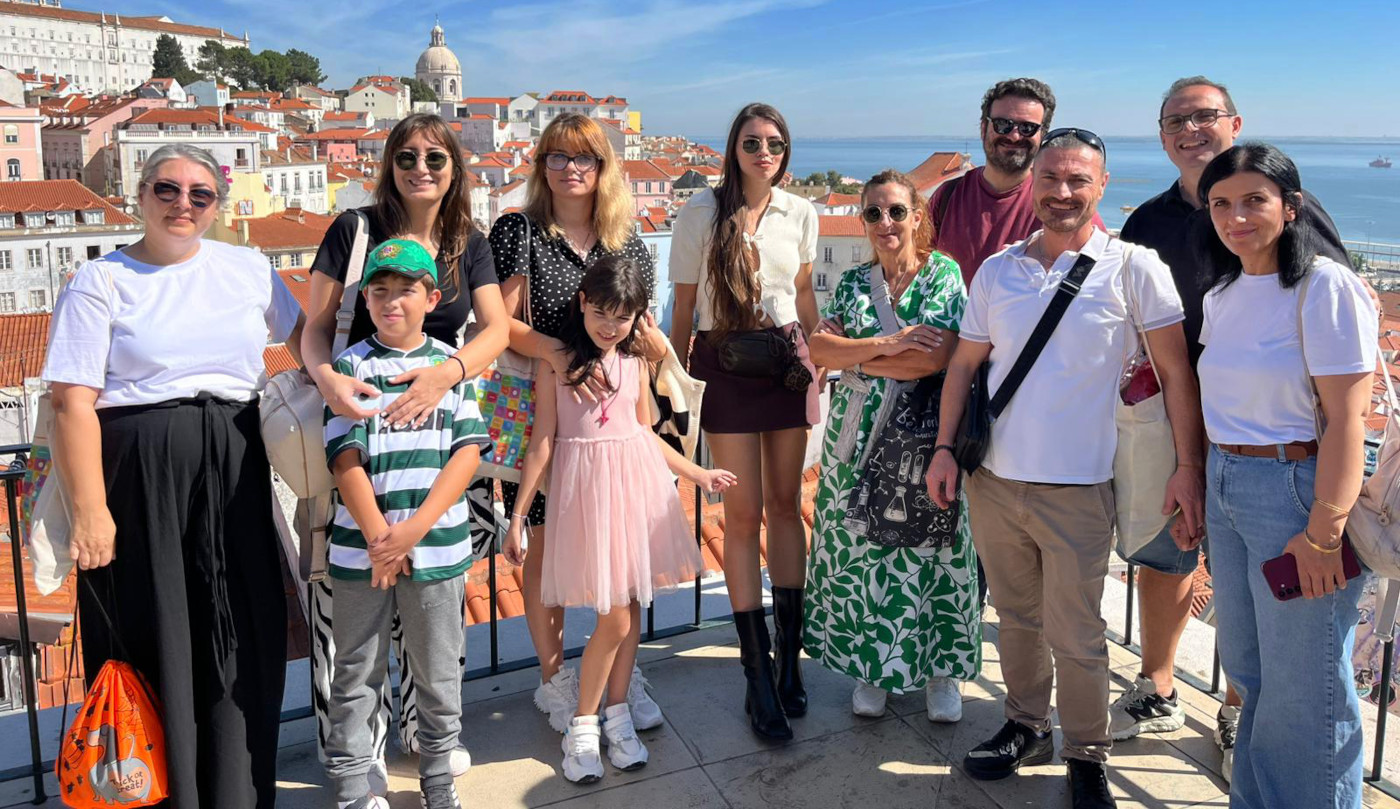
The Romania mobility, hosted at Slobozia Mândra, brought the project home for the Romanian team. Students presented their local data, compared it with readings from the Portugal sessions, and explored what those differences might mean in terms of local geography, traffic, industry, and season.
One of the most meaningful aspects of the EcoRoots–uRADMonitor partnership is the commitment to open data. As stated in the project’s documentation: “Since uRADMonitor is a global network, the data collected by the EcoRoots project will be contributed back to their public map.”
This means the measurements taken by students in Slobozia Mândra and in Venda do Pinheiro are not stored in a school folder – they are publicly accessible on the uRADMonitor global map, visible to researchers, municipalities, and citizens anywhere in the world. A small school in Teleorman County is contributing to the same dataset used in peer-reviewed scientific studies and urban policy decisions. That is a remarkable outcome for an educational project, and exactly the kind of bottom-up, citizen-science contribution that uRADMonitor was built to enable.

codemore code
~~~~