uRADMonitor got on the HackADay’s front page, with an interview for the Hackaday.io prize event. Read the full text here. Don’t forget to support the project by voting on the HackADay project page (the skull button)!
uRADMonitor got on the HackADay’s front page, with an interview for the Hackaday.io prize event. Read the full text here. Don’t forget to support the project by voting on the HackADay project page (the skull button)!
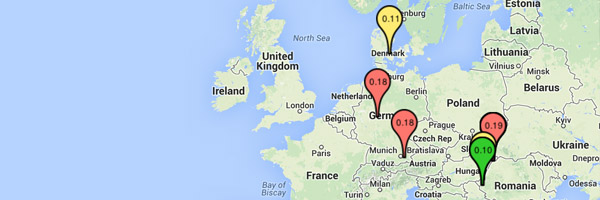
One of uRADMonitor’s major components – the server side – is responsible for receiving data from the distributed hardware units and pack it in its databases. We are talking about large volumes of data, that are scaled up with each new device entering the network. The server is also handling the web portal, where we […]
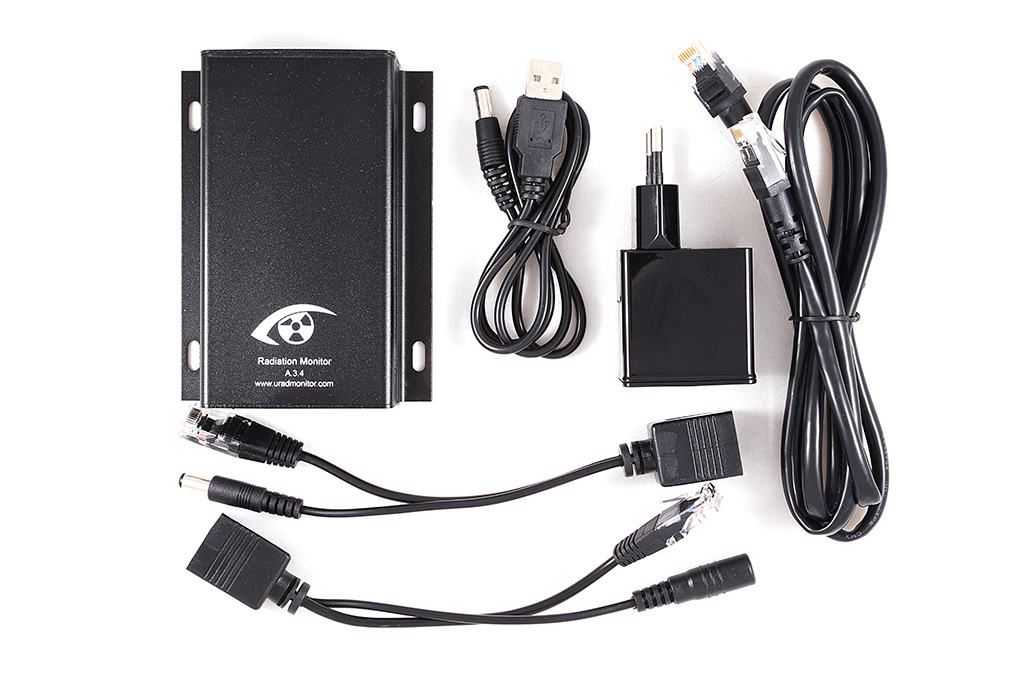
The Power supply Each unit comes with Power supply (input 220V/110V EU/US for socket, output 5V and at least 0.5A), power cable (black) and Ethernet cable (1m long). The uRADMonitor device must be powered with a low power 5V supply. An adapter is provided with each uRadMonitor unit. If a longer cable is required, you […]

In an effort of expanding the network, five more units are set to join the network in the following few days. They will get online in various locations all around the globe, to offer increased coverage and a better understanding of the background radiation variations. The units have been tested to assure they are properly […]

uRADMonitor has now officially joined the competition for the Hackaday.io prize! Support it by voting, here !
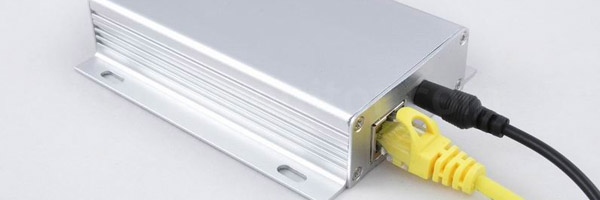
There were lots of questions by email, on groups or on different channels regarding uRADMonitor. Many people are familiar with Geiger Counters, radiation and the basics on nuclear physics, but for some, the uRADMonitor remains a tiny black box – intriguing, but totally unknown. To answer some of these questions, here are a few more […]
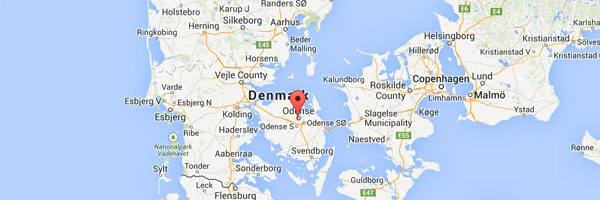
There is an uRADMonitor unit in Odense, Denmark that went silent for some time because of a failure in the high voltage internal inverter. This unit, part of an early set of first prototypes, was using a ferrite choke that eventually reached saturation with the increasing temperatures of the summer. As a result, the high […]
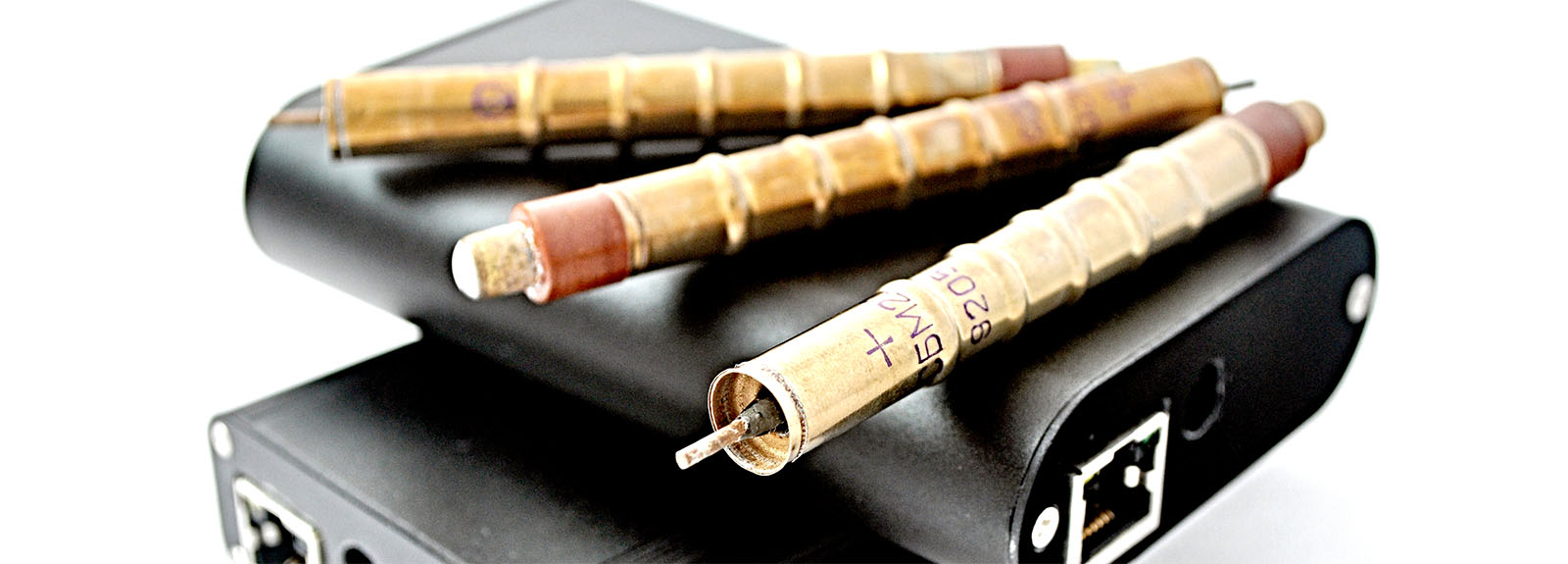
In the beginning there was the passion for technology. I decided to start a blog and write about the things I’ve built. I was more into high voltage, physics and various experiments, cool, but with little or zero use to those around me. Then I decided it was time to build something useful, to put […]