
As we wrap up 2025 with this end-of-year article, we’re thrilled to celebrate a year of impressive hardware advancements at uRADMonitor, pushing sensor precision and network reach to new heights. Above all, peace has been the greatest gift, creating the ideal conditions for creativity and progress to thrive, and 2025 delivered that, at least for some of us. Born as a global radiation monitoring map, uRADMonitor continues to grow, and we’re excited to focus its power on scientific exploration and environmental understanding, rather than alerts triggered by human conflicts or elevated readings from man-made actions. The following sections highlight the key hardware achievements that defined our progress this year.
- Radiation Monitoring
- Air Quality Monitoring
- Weather Monitoring
- Solar power system for remote locations
Radiation monitoring:
It’s no surprise that in 2025 we significantly advanced our radiation monitoring solutions, introducing several key developments to address new scenarios and emerging needs that became clear throughout the year. Here are the most notable highlights:
uRADMonitor model B1
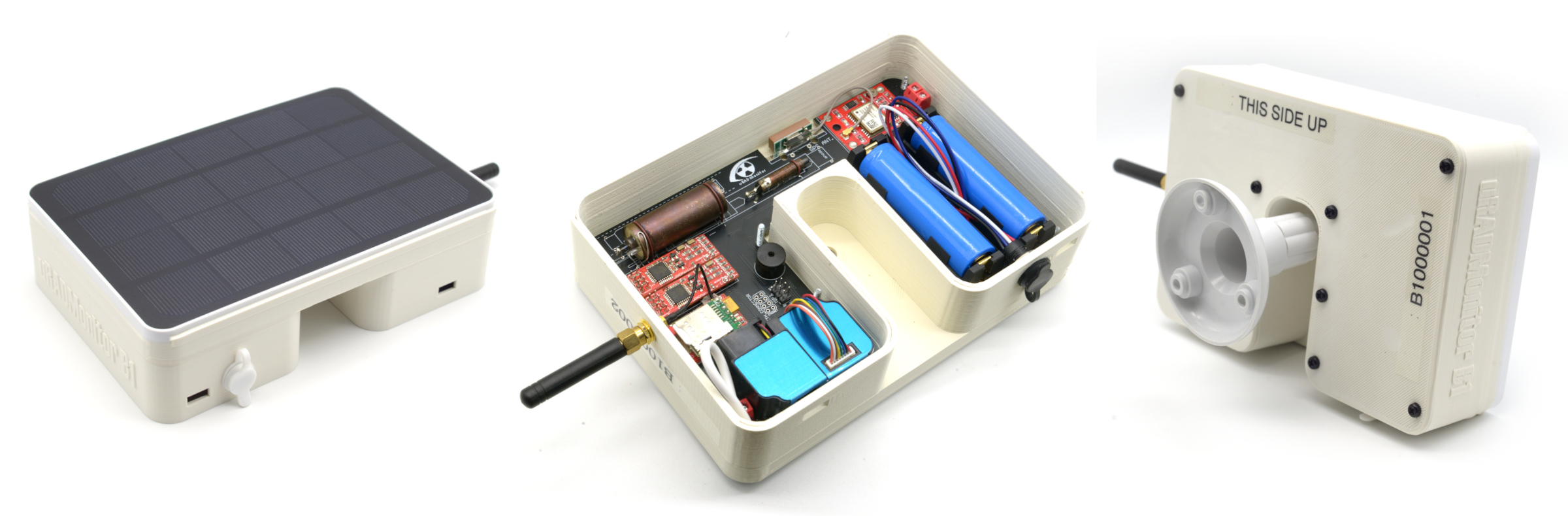
The uRADMonitor MODEL B1 is an automated and autonomous radiation monitor designed to detect both high and low dose rates of gamma radiation. It operates on solar power and transmits data in real time via a GSM radio link (but the uRADMonitor MODEM footprint is embedded in the design so variants with WIFI or LoRaWAN have been also developed). The data can be then access remotely over wide distances. B1 uses a pair of the “uRADMonitor Geiger Modules” for complete redundancy.
uRADMonitor Sentinel
The Sentinel is an airborne, UAV-deployed automated radiation sensor designed for fully autonomous operation. Building on the capabilities of the B1 model, it offers advanced features such as reliable performance in radio-denied environments (via direct satellite datalinks) and ultra-low-power consumption for continuous monitoring. This enables it to be deployed in even the most extreme and harsh conditions.

uRADMonitor Model A
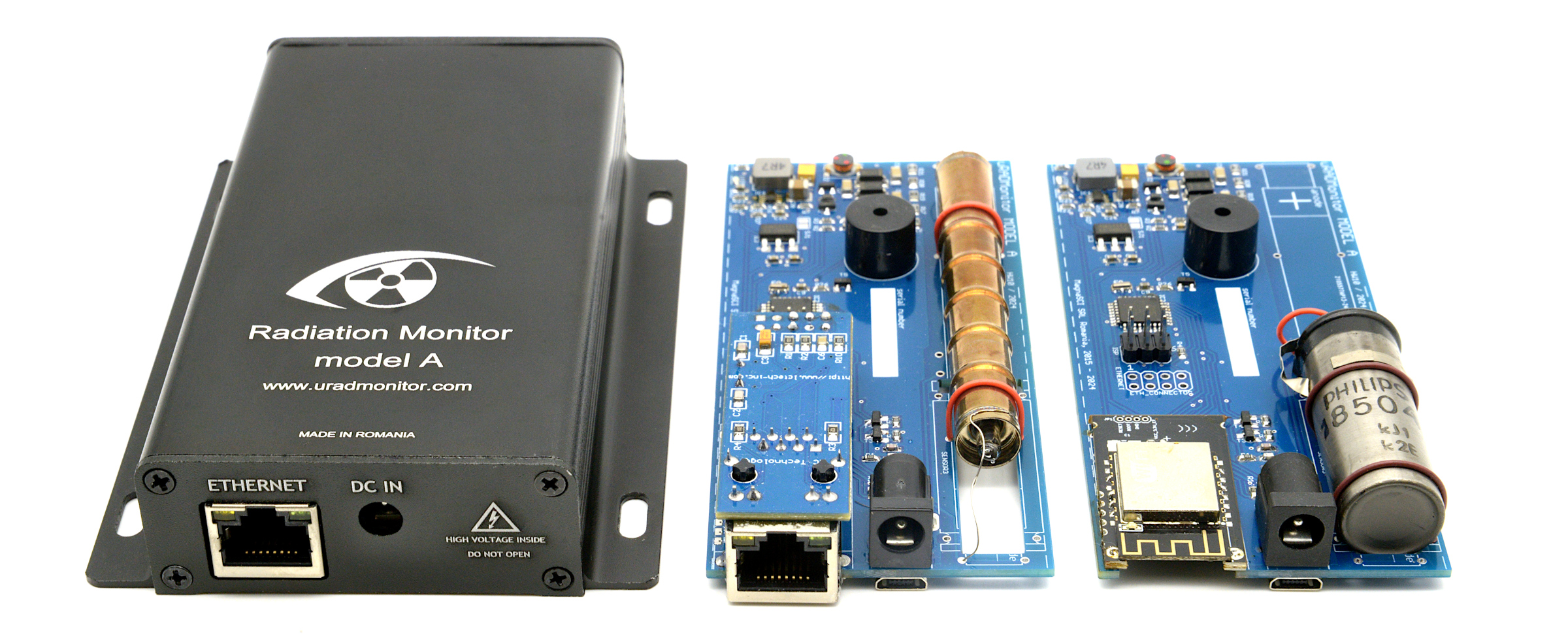
The Model A, uRADMonitor’s very first product, has now reached its 10th version iteration – marking a full decade of continuous development. This latest release represents a major upgrade for this proven and robust device, bringing exciting new capabilities: expanded Geiger tube compatibility (beyond the original SBM-20, it now supports a wide range of tubes, including sensitive Mica window types – see photo), a new high-voltage inverter (with customisable output up to 900V to match different tubes), and the new uRADMonitor Modem footprint: This modem design opens the door to versatile connectivity options beyond traditional Ethernet, including WiFi, LoRaWAN, and GSM. With this refreshed hardware, a whole new range of deployment scenarios is now possible!
Air Quality monitoring
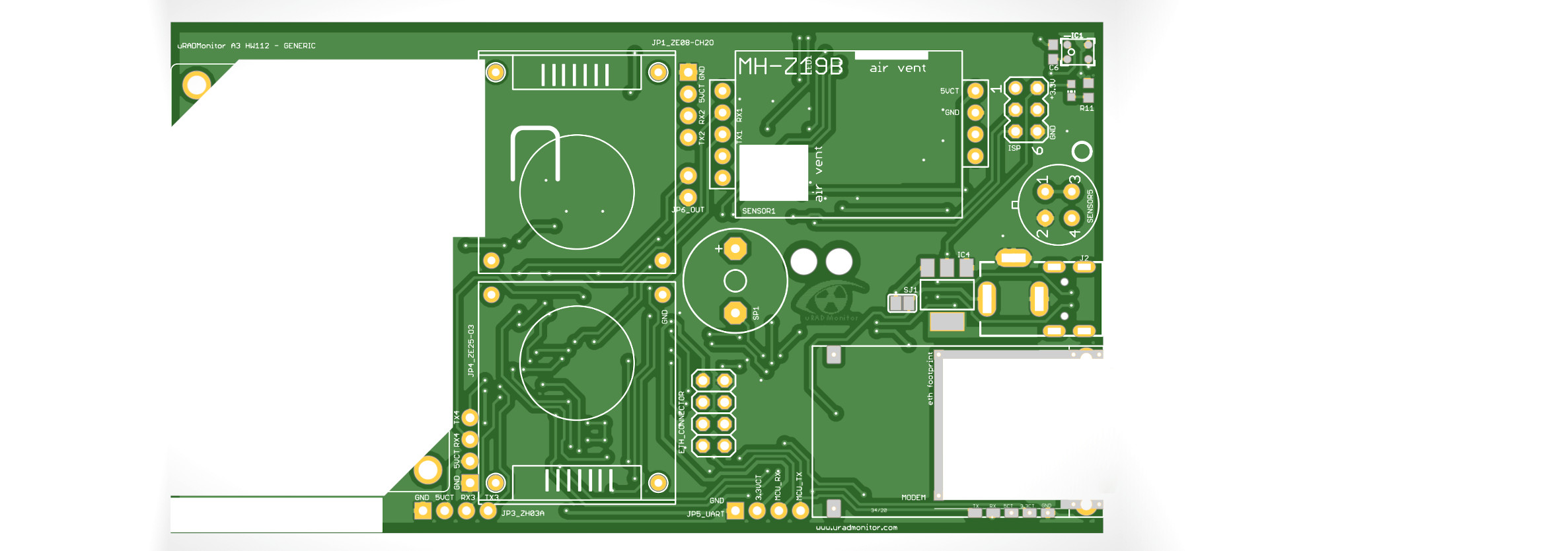
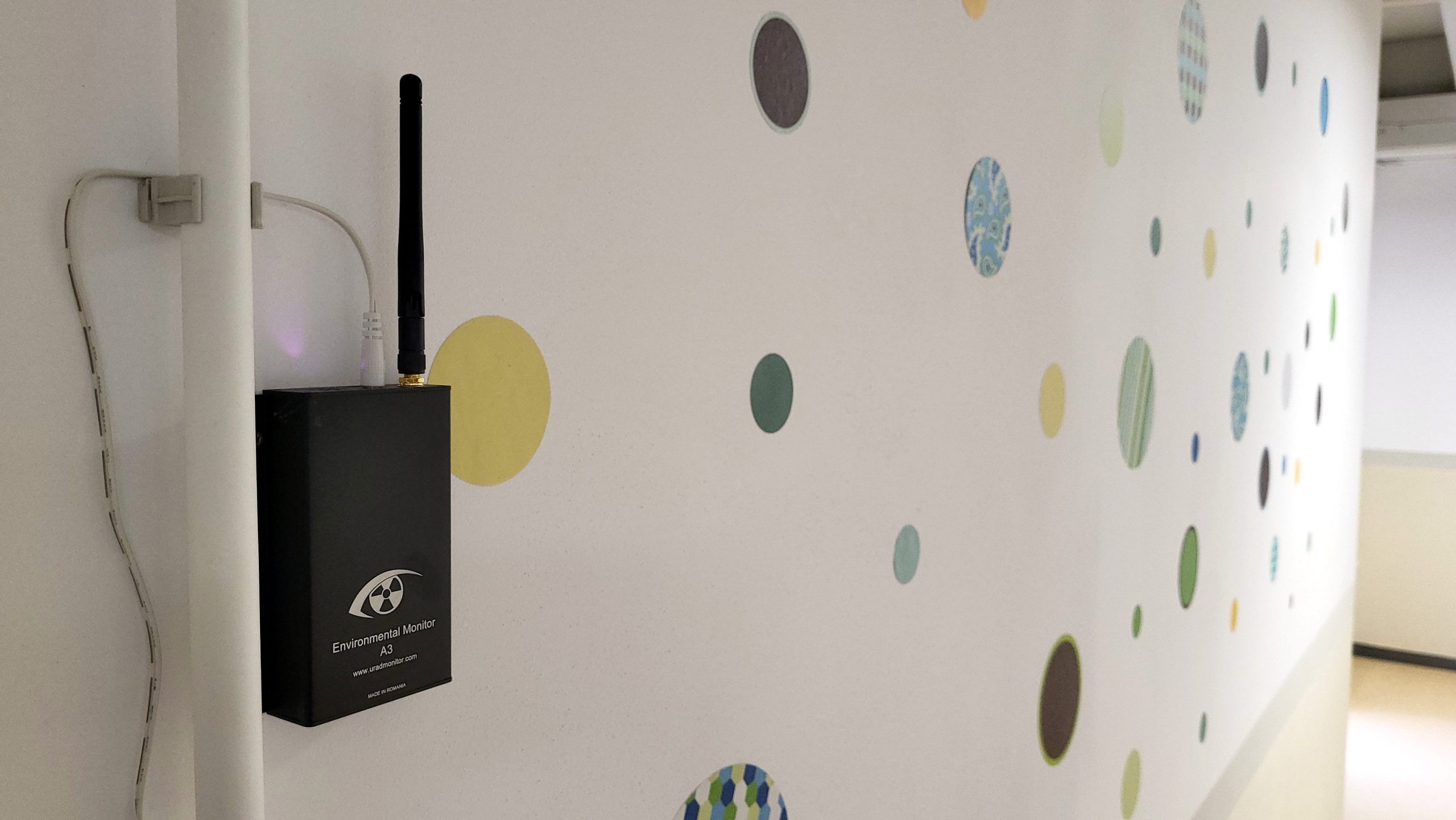
uRADMonitor Model A3, 11th version,
Version 111 forks the traditional design line to a new microcontroller to secure this product line against supply fluctuations and will offer some first-features like OTA firmware updates and implements A3 dynamic IDs ( currently used with the new SMOGGIEs or the Model A4).
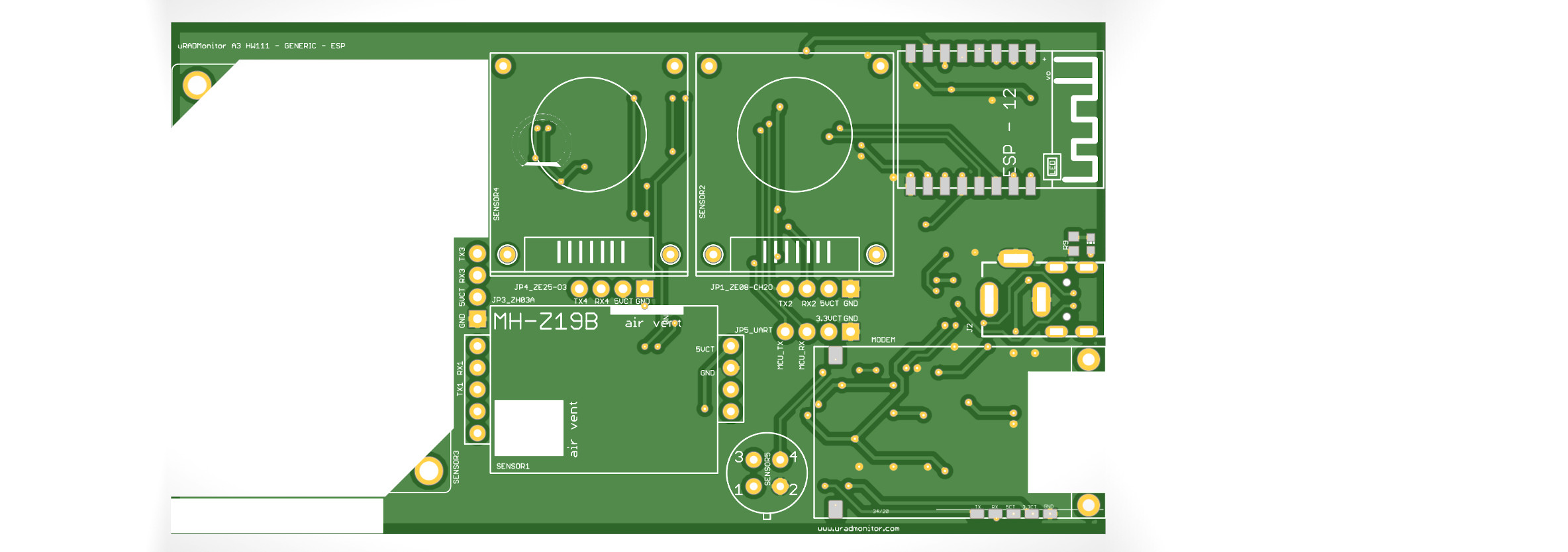
uRADMonitor Model A3, 12th version,
This update continues the traditional design line and adds new features and improvements, one notable is the firmware update connector is now moved to the side of the board, allowing easier upgrades even in the field, without the need to dismantle the unit entirely.
uRADMonitor Model A4
The Model A4 was involved in a major deployment in the Capital City of Romania, Bucharest. Here a large number of Model A4 sensors was installed, allowing unprecedented environmental data visualisation that becomes very relevant due to the high density of sensors deployed.
To achieve this level of reliable performance, uRADMonitor sensors require careful design from the outset , also combined with ongoing improvements based on real-world experience. In 2025, the MODEL A4 received significant upgrades, including a reinforced steel-bar enclosure (built to withstand direct impacts, making it suitable for the installation needs in public parks) and a redesigned sensor board featuring a substantially improved NO2 sensor with increased performance.
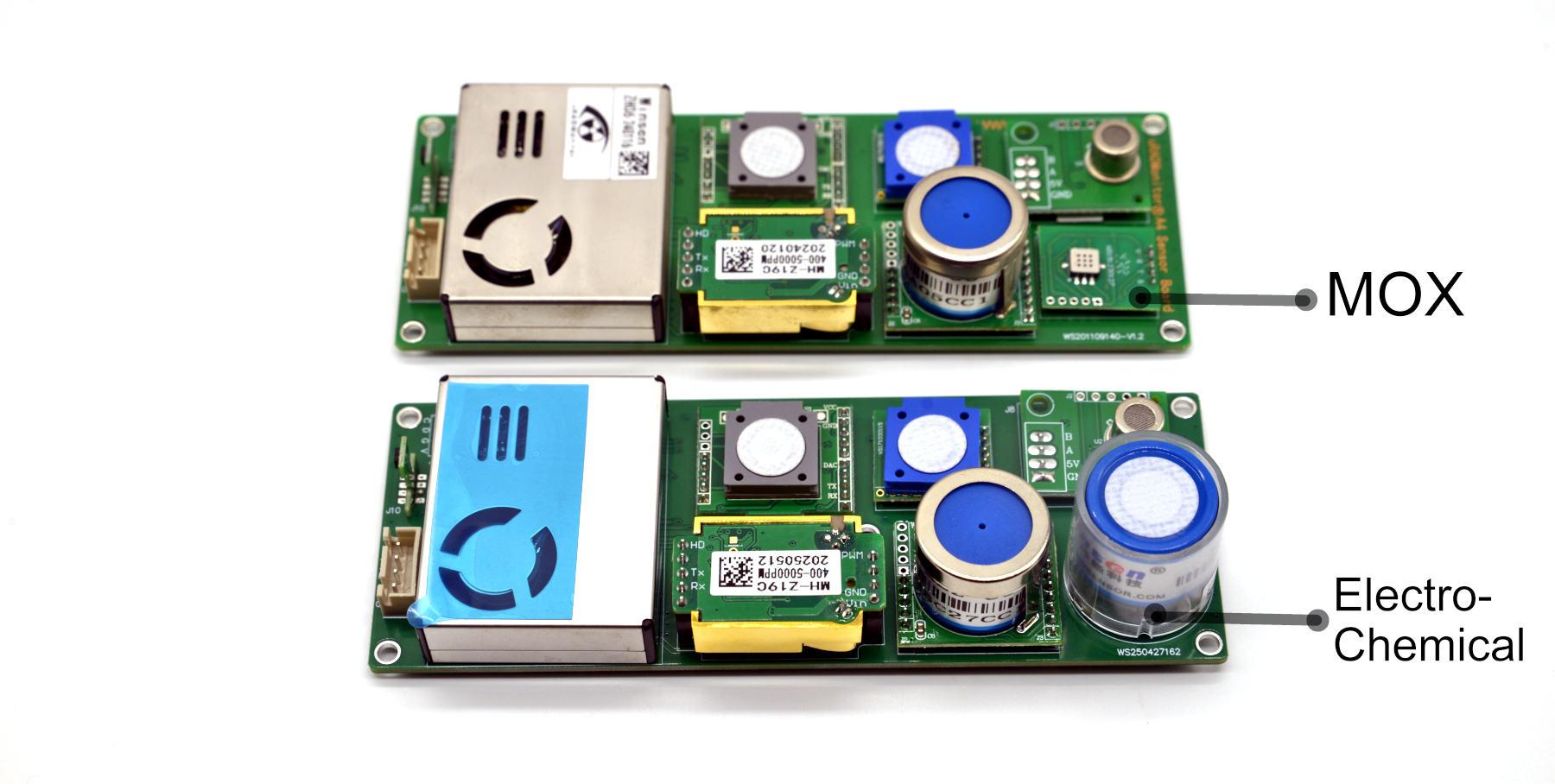
Early next year, yet another update will change the A4 even further with changes requested by the community: discrete VOC values from a new MOX sensor, and a better PM sensor with longer lifespan. We’re super excited to show you all these when they become available.
Weather monitoring
This exciting addition to our portfolio – meteorological sensors, has been one of the most frequently requested features by the uRADMonitor community. From our perspective, it’s a natural extension: we simply integrate new sensor types into our proven IoT infrastructure, which already manages reliable connectivity and vast data storage. Yet it unlocks powerful new insights that align perfectly with our mission. For instance, combining wind data with particulate matter (PM) measurements reveals pollution transport patterns more clearly, while rainfall readings show how precipitation can temporarily clear airborne pollutants. This expanded range of high-resolution environmental data strengthens the scientific impact uRADMonitor already delivers, providing researchers with richer, more interconnected datasets.
uRADMonitor METEO
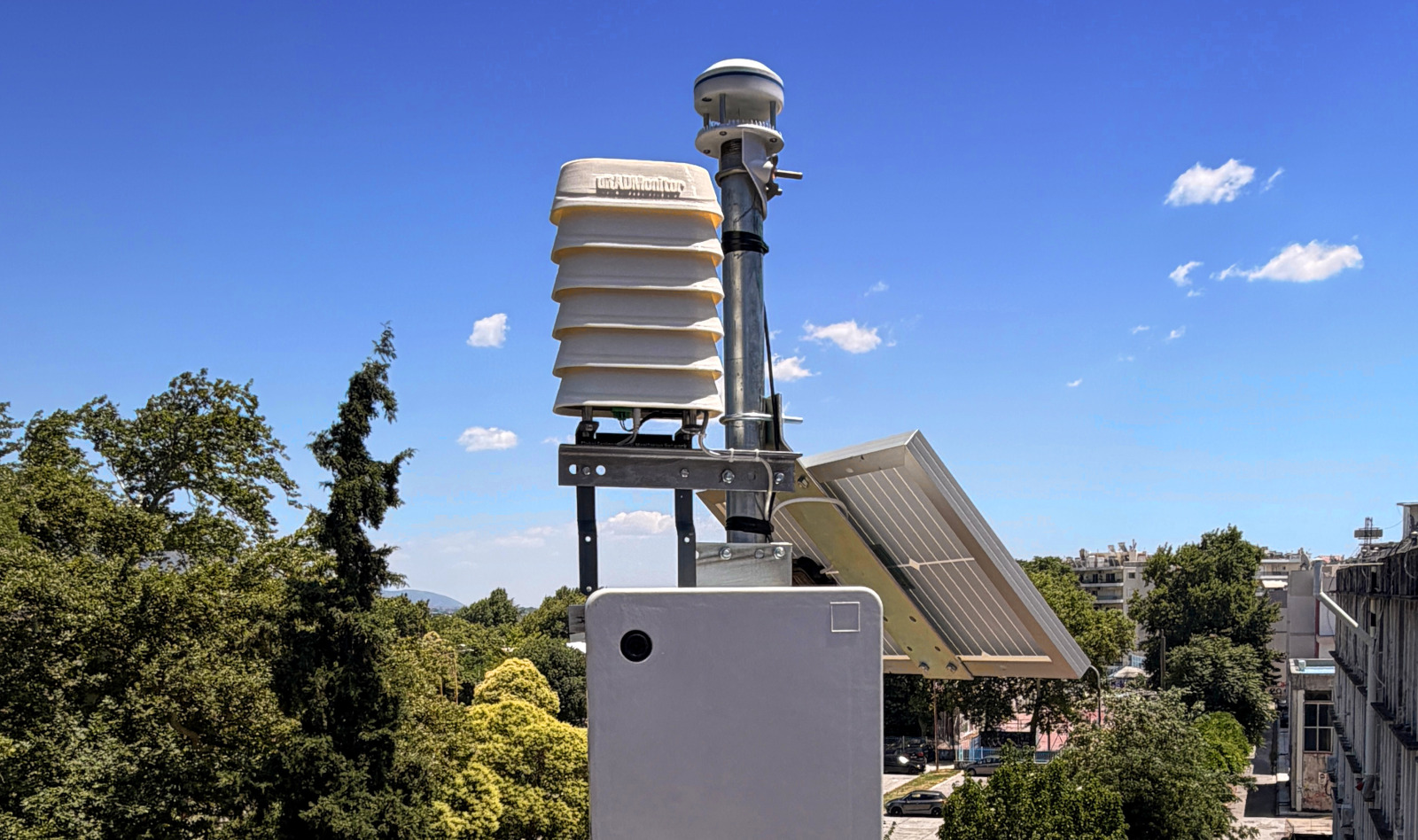
The uRADMonitor® METEO is an advanced, fixed-position monitoring station designed to deliver real-time data on weather and air quality. It measures 19 key environmental parameters, making it an all-in-one solution for smartcities, research, agriculture, and environmental protection. It can operate both on continuous power (wall socket) or on battery systems (picture shows it on a tripod connected to our new uRADMonitor SolarBattery). It measures Temperature, barometric pressure, relative humidity, PM1, PM2.5 and PM10 particulate matter, volatile organic Compounds (VOC), Noise level, Precipitation amount, Wind speed, Wind force, Wind direction, Solar illumination level and Solar irradiance.
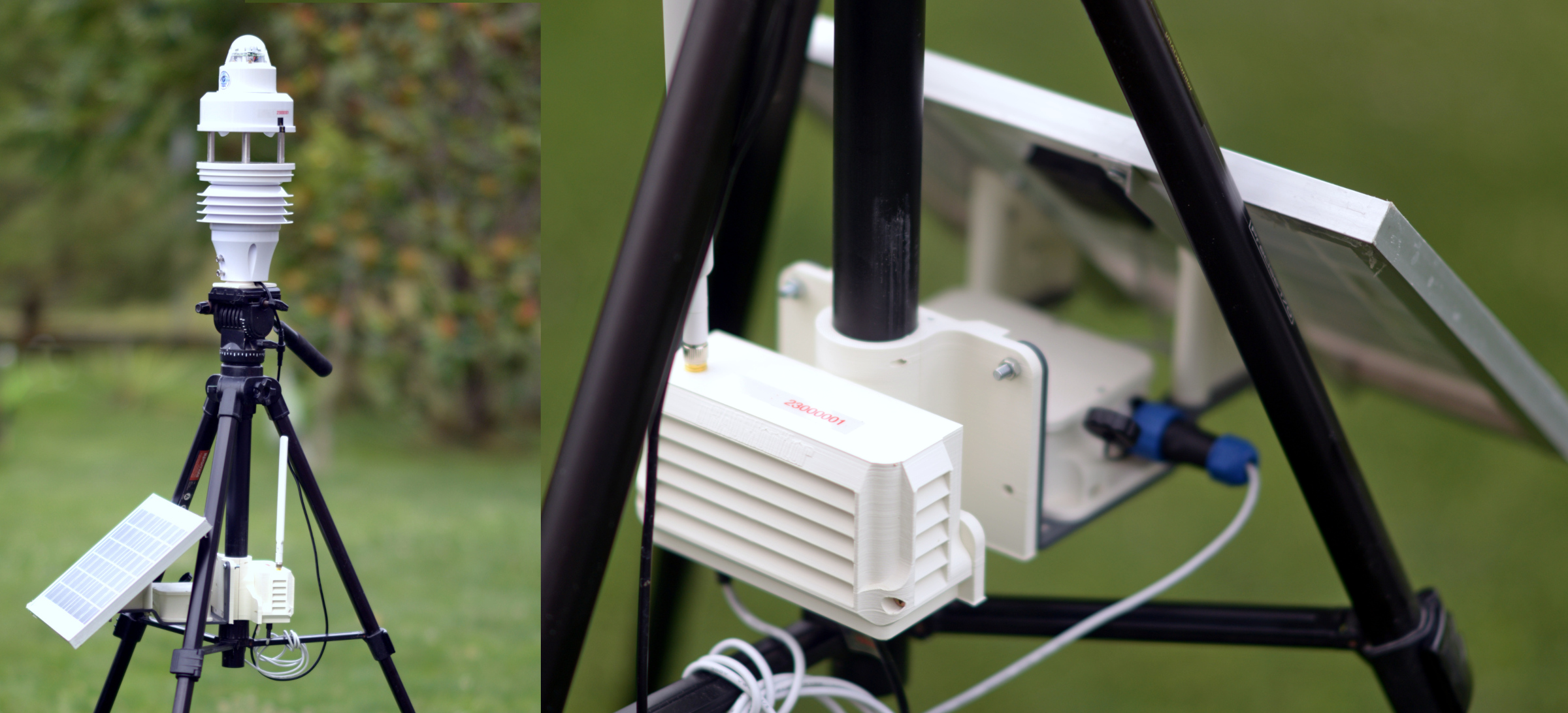
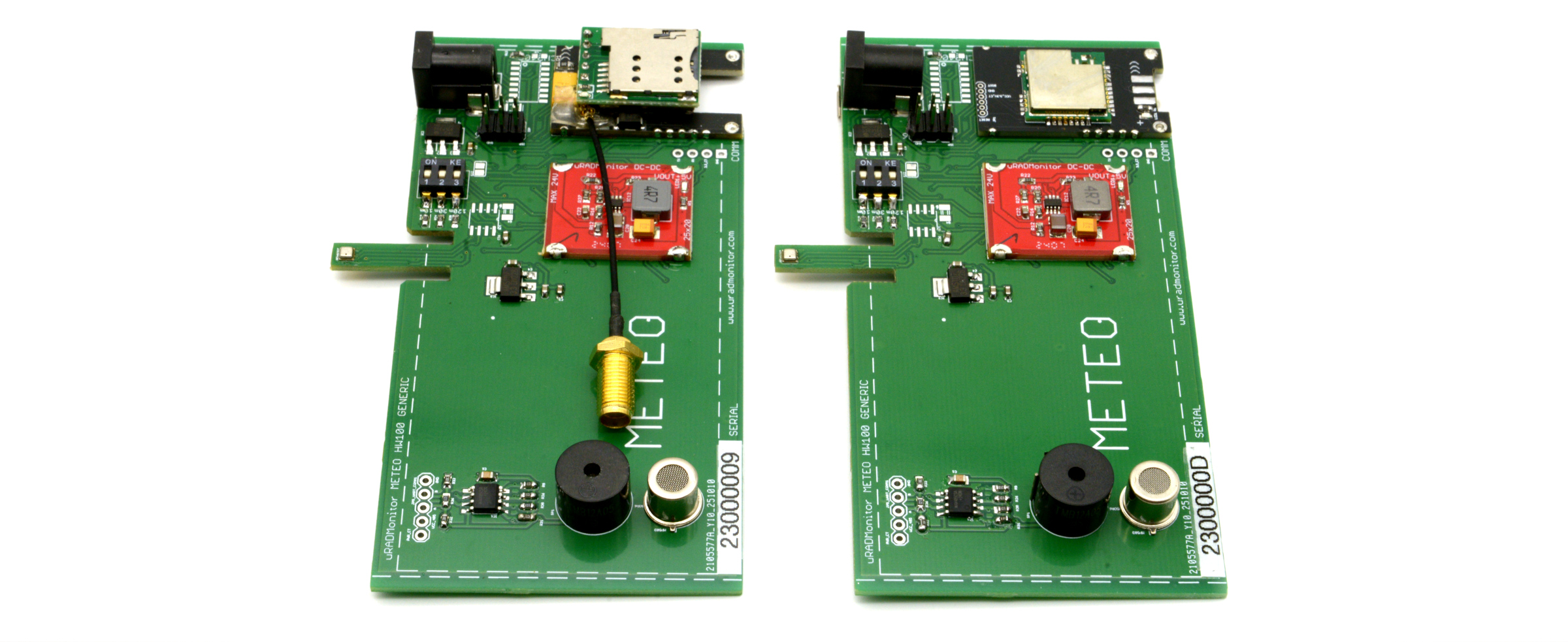
The METEO station is scheduled for release in early 2026. Thanks to extensive internal testing and numerous field trials, we will launch directly with the third hardware iteration, ensuring that the product we deliver is thoroughly validated, reliable, and ready for real-world deployment.
Solar Power System
uRADMonitor solarShield
The uRADMonitor® SolarBattery system is a complete, off-grid power solution specifically designed to power uRADMonitor sensors. It enables autonomous air quality monitoring in remote or isolated areas lacking electrical infrastructure. Equipped with a large solar panel and a 27Wh backup battery, it delivers reliable, uninterrupted operation, even during prolonged periods of unfavourable weather.

This new system is scheduled to be released in early 2026, following many month of field trials, including during this Winter period.
This was a Year of Relentless Innovation
As 2025 draws to a close, we look back with pride on a portfolio that has grown remarkably diverse this year: from cutting-edge radiation detectors like the Sentinel and the evolved Model A, to robust air quality stations such as the A4 and the upcoming METEO, most of them supported by autonomous power solutions like the SolarBattery. This broad range of specialised, high-performance devices reflects our unwavering commitment to excellence: every product is designed, tested, and refined with precision, real-world feedback, and a deep focus on reliability.
We innovate not for innovation’s sake, but to empower scientific discovery, protect public health, and provide actionable environmental insights worldwide. This makes it a good time to thank you to our dedicated community for your trust and input as together, we’re building a stronger, more resilient global monitoring network.
We like to think that 2026 will be about how each of us manages to bring out the very best in ourselves, so that together we can move toward a better world. Here’s to an even brighter 2026!
codemore code
~~~~