uRADMonitor Login

Compiling the uRADMonitor KIT1 Firmware in Visual Studio Code on Windows

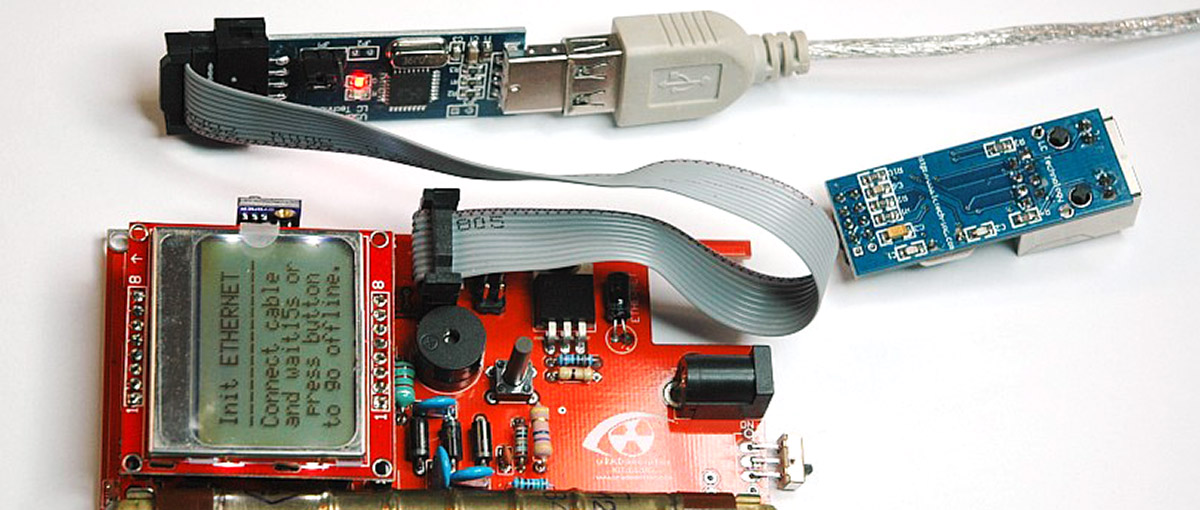
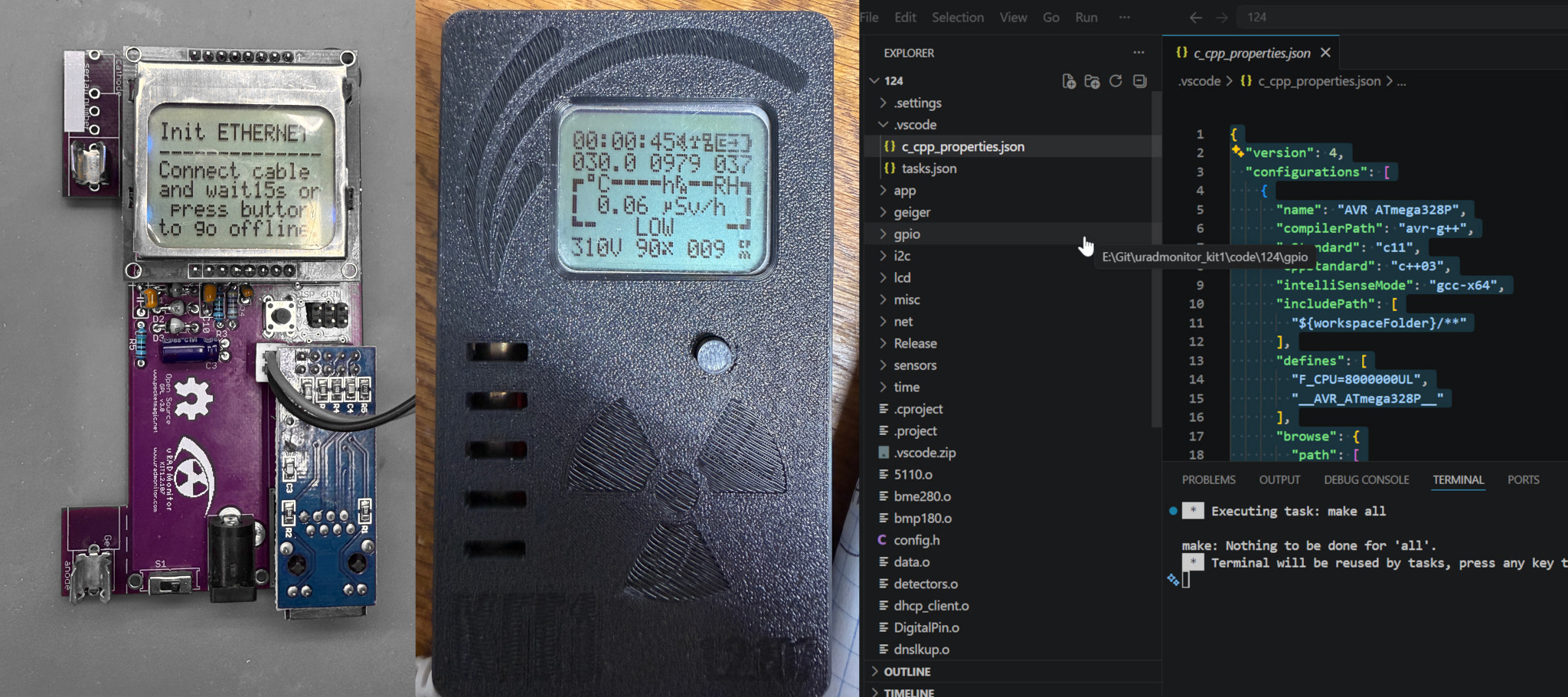
This article documents the steps I used to compile the uRADMonitor KIT1 firmware from the Github code/124 directory using Visual Studio Code on Windows. The original uRADMonitor KIT1 firmware project was created for the AVR toolchain and appears to have been maintained using an Eclipse AVR-style project structure. That original setup is still valid, and […]
Read More >>

Another Smoggie Firmware guide (MacOS)

This Guide is written for MacOS users, however, there is a dedicated Firmware Update Guide for other platforms. What do we need?1. Smoggie hardware. (Smoggie-PM, Smoggie-CO2, and Smoggie-Gas)2. The provided USB cable (or any usb cable that also has data transfer capability).3. The new firmware. For this contact support (send the model and the serial number printed on the device or […]

Read More >>

The Easy Smoggie Firmware guide

The initial article about Smoggie firmware upgrade uses a Python script to install the firmware. This can be too much for the usual Joe user, so here is, I hope, a simpler way. What do we need?1. Smoggie hardware. (Smoggie-PM, Smoggie-CO2, and Smoggie-Gas)2. The provided USB cable + a Windows-running computer.3. The new firmware. For […]

Read More >>

Smoggie Firmware Update

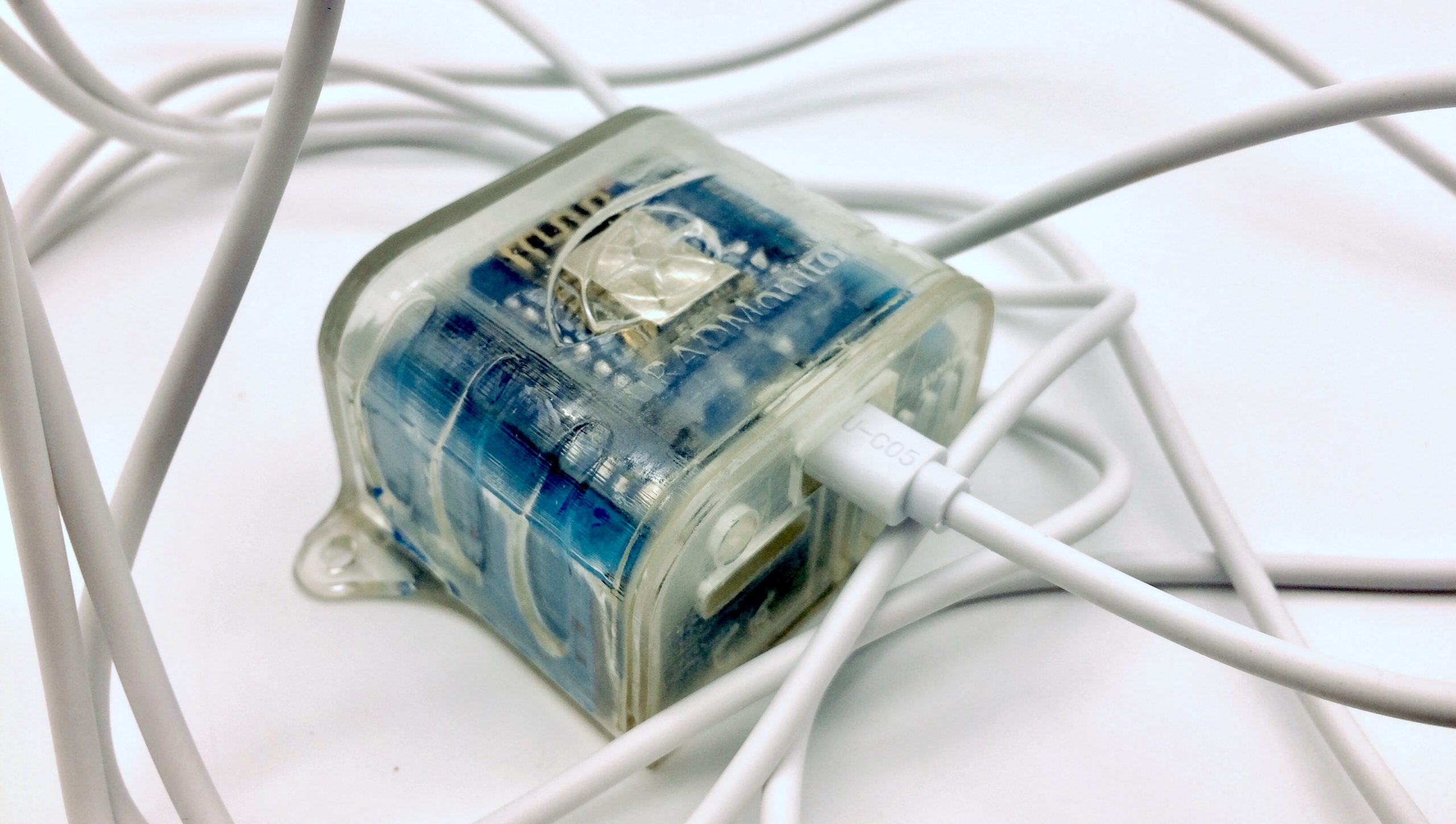
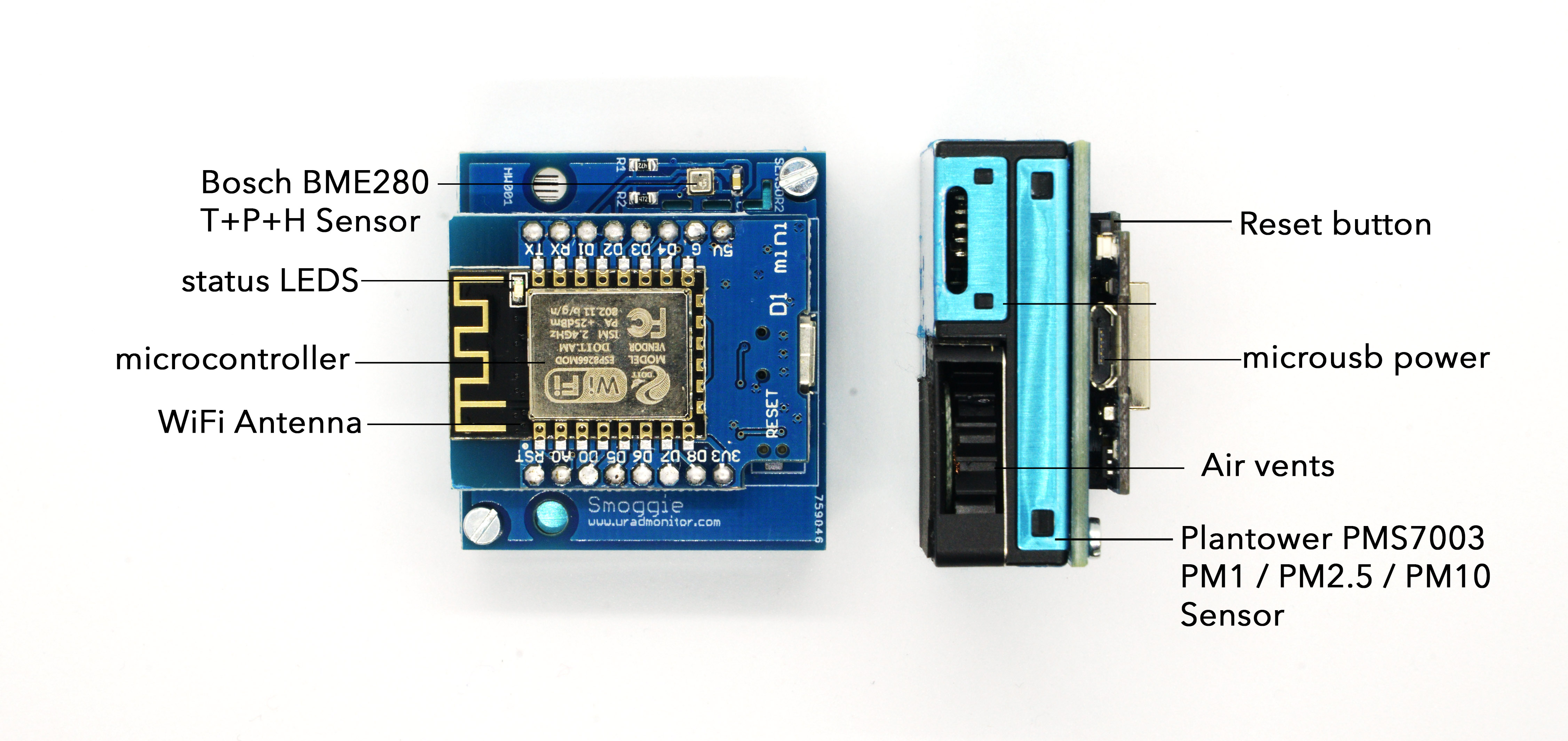
Smoggie is the recent uRADMonitor product based on a versatile compact platform that can handle multiple sensors, making space for several Smoggie based products depending on what they measure. Currently the list includes the Smoggie-PM, the Smoggie-CO2 and the Smoggie-GAS for Particulate Matter (PM1/PM2.5/PM10), Carbon Dioxide and toxic Gases. They all share similar form-factor and […]
Read More >>

A tutorial: How to compile KIT1 firmware on a Windows machine

This tutorial shows how you can compile and flash the KIT1 firmware on Windows (at least Windows 2000) without going through all the hassle of installing and using Cygwin and Eclipse. As an additional problem, there are several incompatible “make” implementations for Windows, so I decided to avoid “make” too. The AVR8 GNU toolchain does […]

Read More >>

Uradmonitor Model A3 Firmware Upgrade

Pre-reading The firmware upgrade is rather simple and straight forward; however, I would strongly recommend reviewing the two resources below and watching Dave Jones from EEVBlog video tutorial “Adventures in AVR ISP Programming” as this displays some gotcha that can be avoided due to Dave has documented them very well. Model A firmware upgrade guide Firmware […]

Read More >>

Firmware upgrade for the A3 with Wifi

The uRADMonitor model A, the KIT1 and the model A3 with Ethernet have all taken advantage of various scripts and tools developed by the community which allowed direct data access over their LAN connection. You can see a few of these below: uRADMonitor weather station integration Local stats graph with uRADMonitor RRD Tool graphing Include […]

Read More >>

Model A New firmware v111

With the uRADMonitor network covering more ground, constant effort is invested in making the project serve its purpose better. Code improvements come with extra features or better stability, and new firmware updates are released to anyone interested in upgrading their units. Firmware 111 is the latest code released for the uRADMonitor model A units. We […]

Read More >>

Model A firmware upgrade guide

As a project targeting global coverage, uRADMonitor was designed with all the important features right from the start: the units are plug and play, the network settings are automated via DHCP, the location is estimated automatically based on IP and so turning the unit on is enough to have a new node on the map, […]

Read More >>

uRADMonitor API Helper for DIDAP (custom) devices

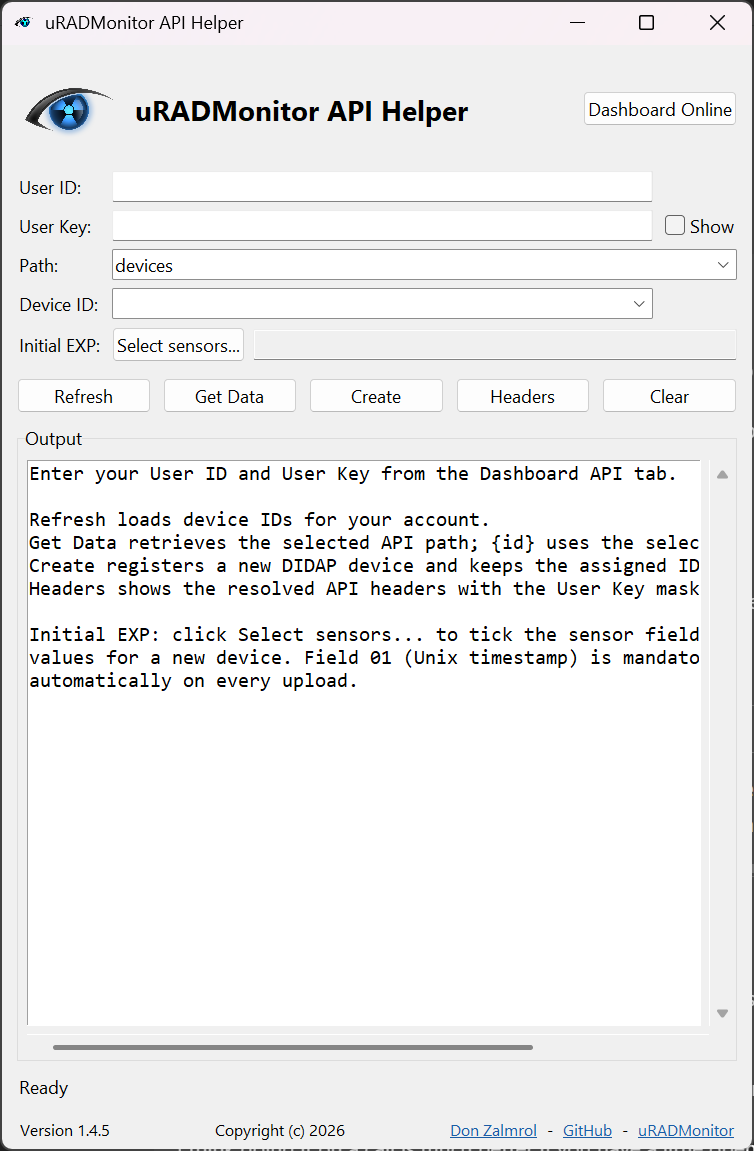
Presenting the uRADMonitor API Helper program If you want to connect a custom sensor to the uRADMonitor network, you need to register a new device and obtain a Device ID before you can start uploading data. To help others, I’ve created a little program that allows you to easily register your own custom sensor to […]

Read More >>

ESPHome Geiger counter bridge for Home Assistant and uRADMonitor

I have been testing an independent ESPHome-based bridge that connects a RadiationD-v1.1 (CAJOE) Geiger counter board to both Home Assistant and uRADMonitor. One ESP8266, two integrations The pulse output is connected to D1 / GPIO5 on the ESP8266. ESPHome counts the pulses locally, exposes the measurements and diagnostics to Home Assistant through its native API, […]

Read More >>

uRADMonitor KIT2: A Portable Open-Source Geiger Counter Built for Students

The TechMP Webinar, July 15, 2026 uRADMonitor founder Radu Motișan was invited as a speaker in a live webinar organised by the University of Craiova, hosted by lect.univ. Ph.D. Mihaela Tinca Udriștioiu. The session brought together over 50 participants from Romania, Bulgaria, Greece, and North Macedonia, covering everything from the physics of ionising radiation to […]

Read More >>

Back to Craiova for the Summer School 2026 Edition

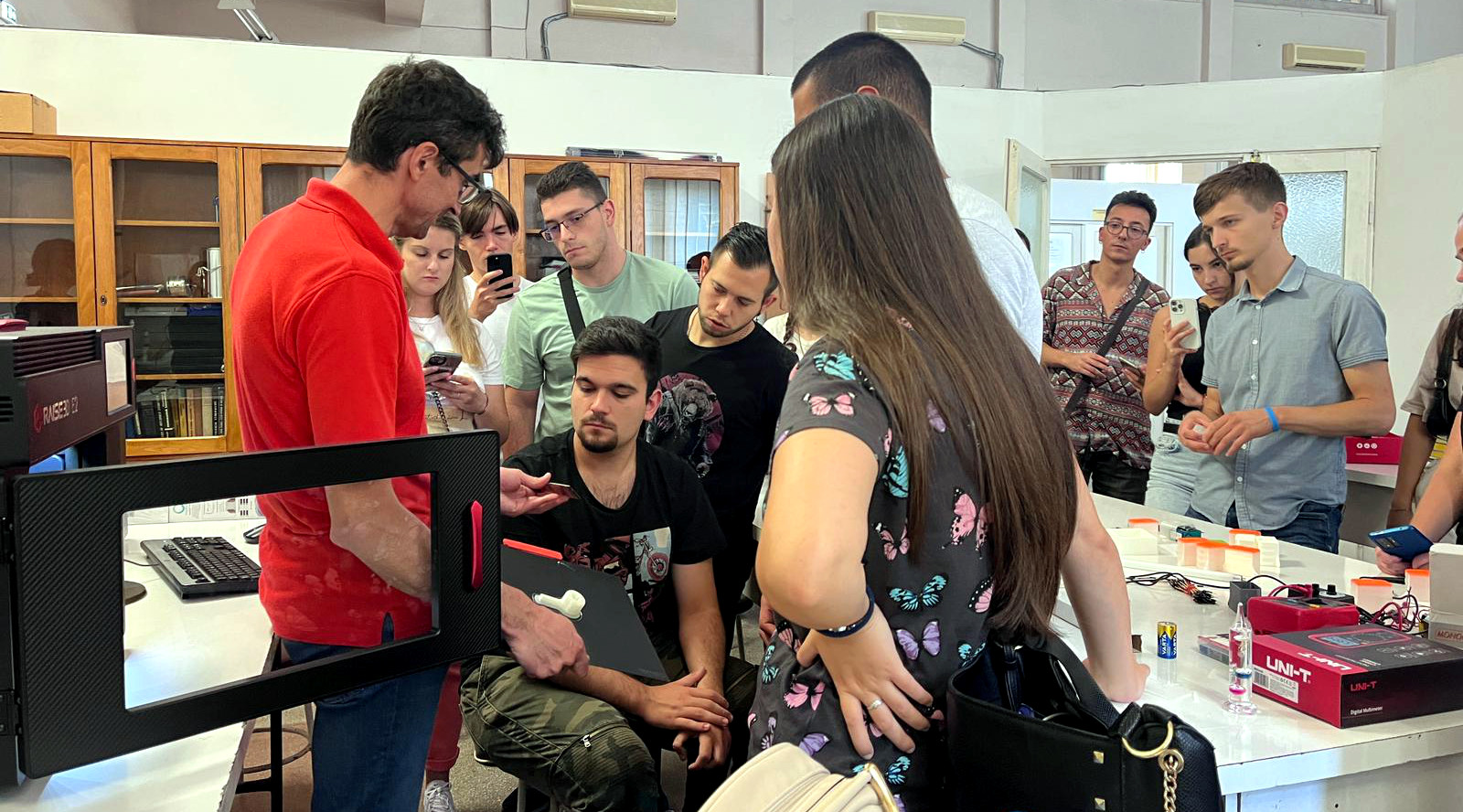
September 8–9, 2026, Craiova: For the third time, following the events in 2022 and 2023, the University of Craiova becomes the venue for a hands-on air quality sensor workshop, this time as part of the Interreg ROBG PROMISE-Hard project (000299). uRADMonitor founder Radu Motișan returned to the Physics Department for a two-day extended workshop, guiding […]

Read More >>

A PoE radiation station on ESPHome, and why it does not upload by itself

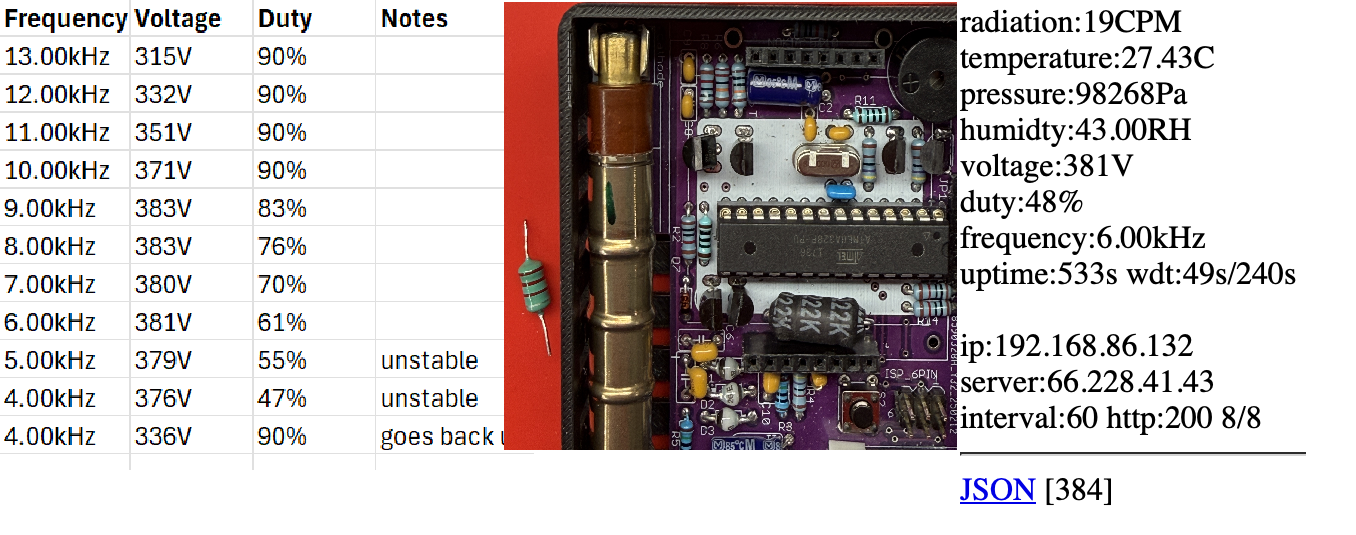
Hi everyone, This is a write-up of my open-data station: an SBM-20 in a GGreg20_V3 front end, an Olimex ESP32-POE-ISO-EA-IND doing the counting, and Home Assistant doing the uploading. Device ID 13000200, currently in Estonia. The headline is that I did not write any firmware. The whole thing runs on stock ESPHome — about thirty […]

Read More >>

DIY environmental logger with ESP32

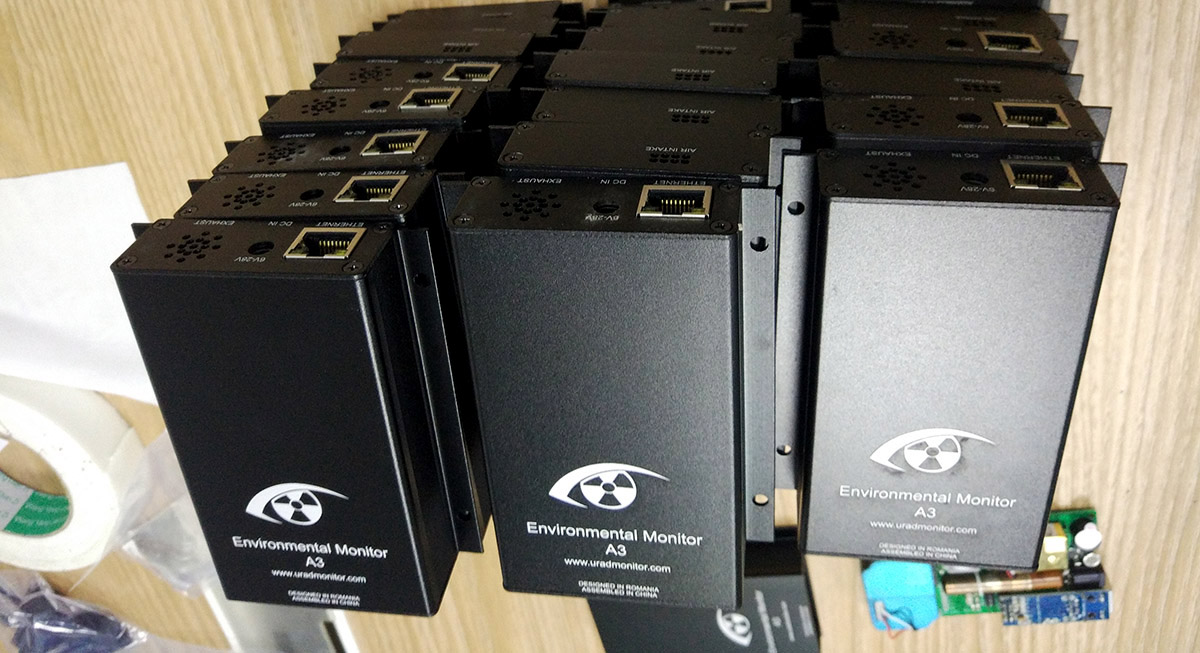
Hi all, Back in 2021 I started off with a very simple Heltec wifi kit 32 and since then I’ve been happily logging data using DIDAP (old method EXP1) protocol with a very basic interface and switched over to an Espressif ESP32 wrover-e with a little more advanced version thanks to it’s hardware specs and […]
Read More >>

Sensors that sail

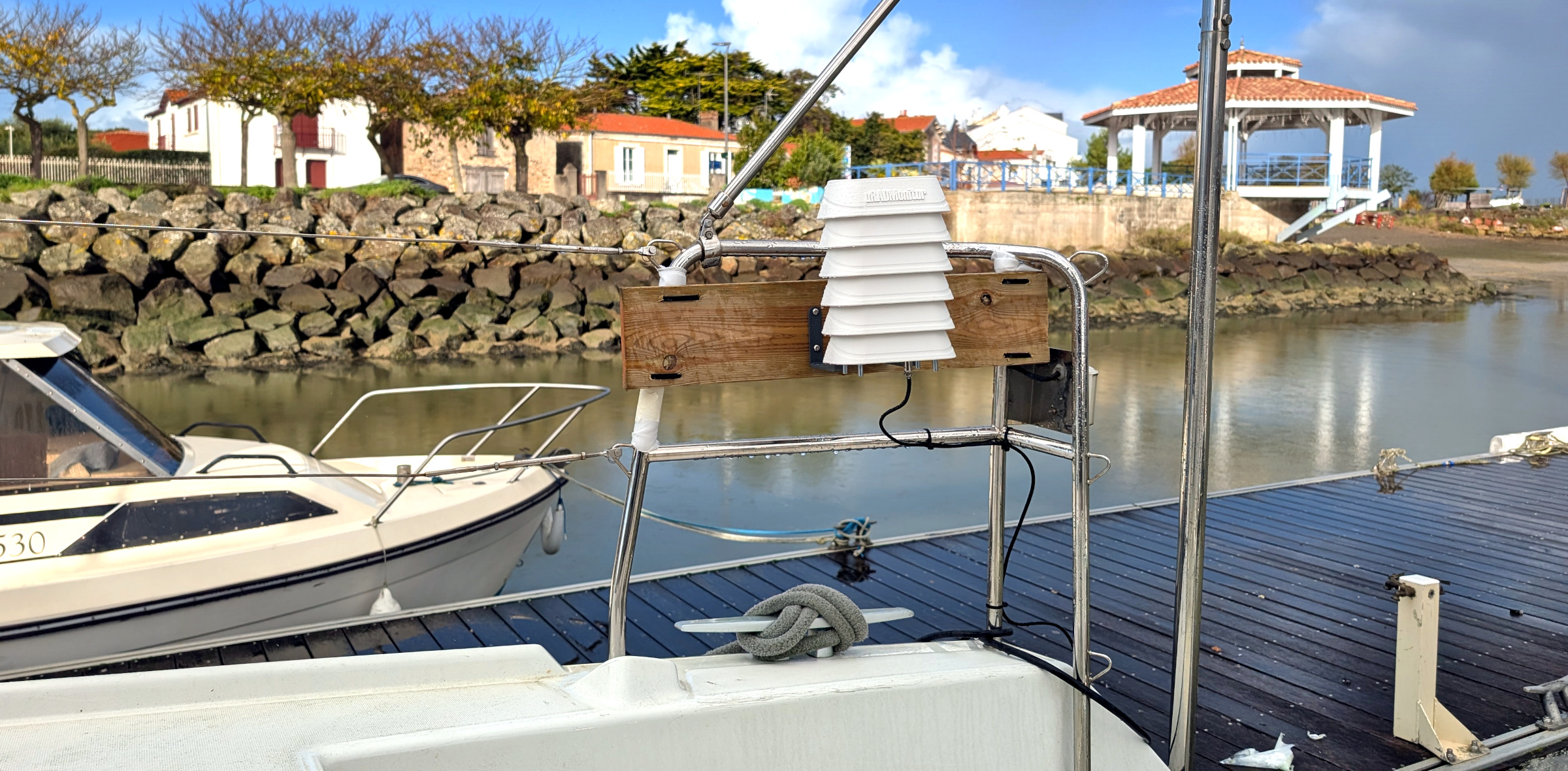
A uRADMonitor MODEL CITY leaves the rooftop behind, mounts on a sailboat’s pushpit, and starts feeding air quality data into the OceanoVox ocean-observation network. For over a decade, the uRADMonitor network has grown one fixed station at a time , mounted on rooftops and walls across 76 countries. Now this one moves. Off the Atlantic […]

Read More >>

Solar Bench with sensors built by Erasmus Students in Vaslui

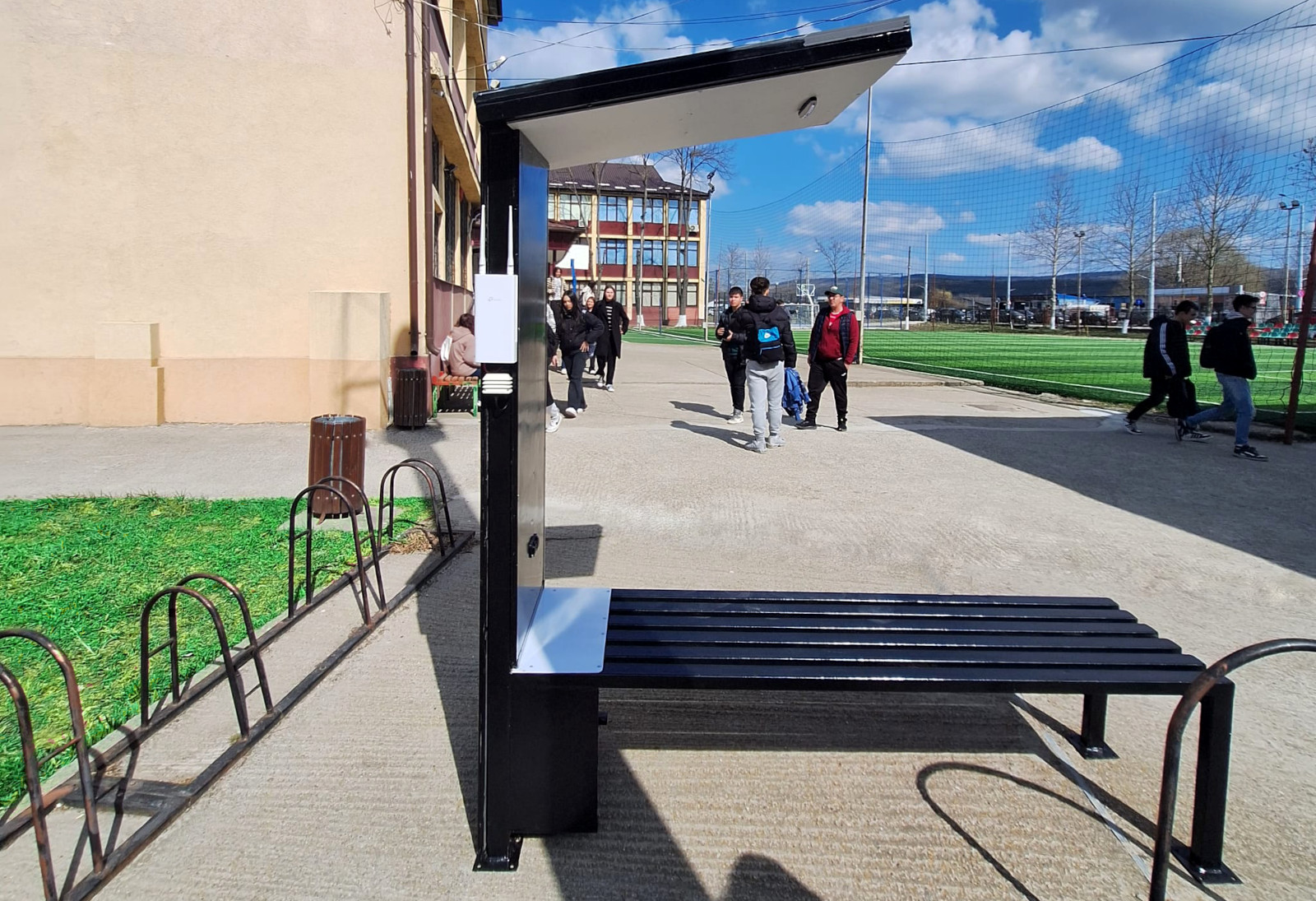
The Project Students at the Emil Racoviță Theoretical High School in Vaslui set out to do something most schools wouldn’t attempt: design and build a smart solar bench from scratch. They built it, wired it, and equipped it with electronics and the result is a functional piece of outdoor furniture that doubles as an environmental […]

Read More >>

Security Incident Report: wp2shell Exploitation of cerespir.ro, 18–21 July 2026

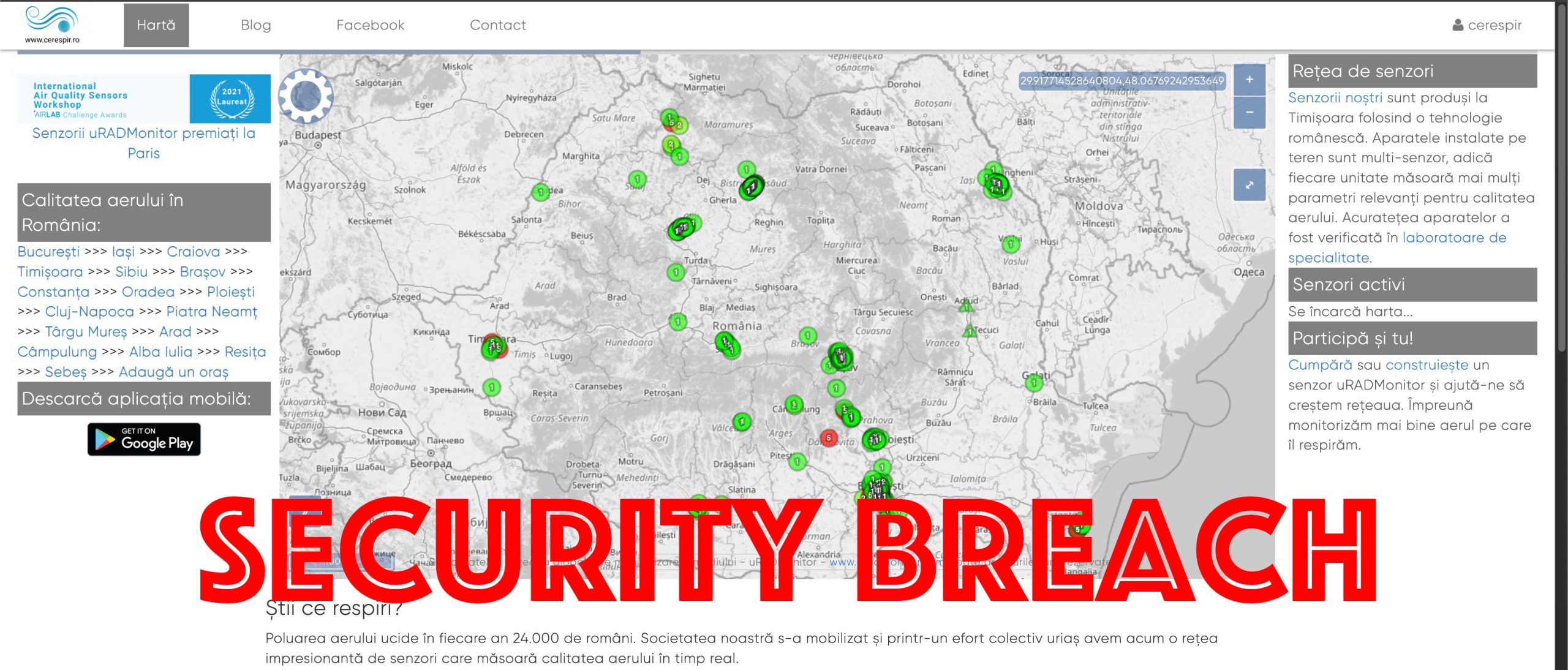
Compromise: 21 July 2026, 07:56:34–07:56:42 UTC Wider campaign against this host: 18–21 July 2026 Affected system: cerespir.ro (WordPress front-end) Impact on uRADMonitor sensor network, API and measurement data: none Status: contained, cleaned, patched What cerespir.ro is, and what it is not cerespir.ro (“Ce respir” what I breathe) is our Romanian-language public platform for air quality […]

Read More >>

Fixing a uRADMonitor A3 with 3 Beeps and No WiFi Hotspot

Recently my uRADMonitor A3 WiFi unit stopped connecting to the network. The device would power up but was unable to establish a WiFi connection. The symptom, 3 beeps and no hotspot. My initial suspicion was that the ESP-04 WiFi module had failed, so I began searching for replacement modules and placed an order for new […]

Read More >>

uRADMonitor Frontend v7

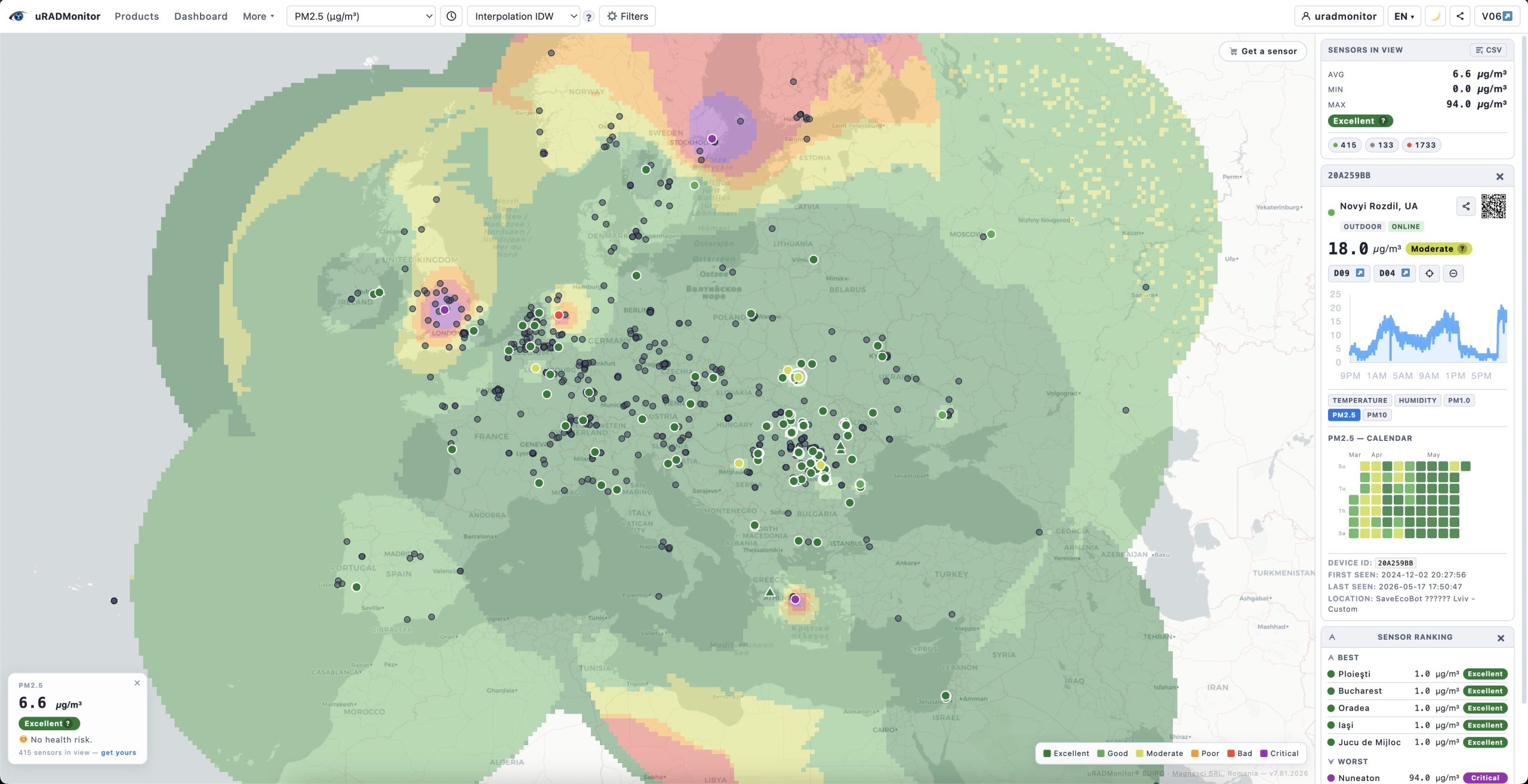
Today we are releasing the new Frontend v7 , the most capable version of the uRADMonitor map interface to date. Following the previous results implemented in the last version, the new Frontend 07 is built on OpenLayers 10, runs entirely in the browser with no plugins, and works on desktop and mobile alike. If you […]

Read More >>

2025 A year in Review

As we wrap up 2025 with this end-of-year article, we’re thrilled to celebrate a year of impressive hardware advancements at uRADMonitor, pushing sensor precision and network reach to new heights. Above all, peace has been the greatest gift, creating the ideal conditions for creativity and progress to thrive, and 2025 delivered that, at least for […]

Read More >>

Plastic enclosure for the uRADMonitor® KIT1

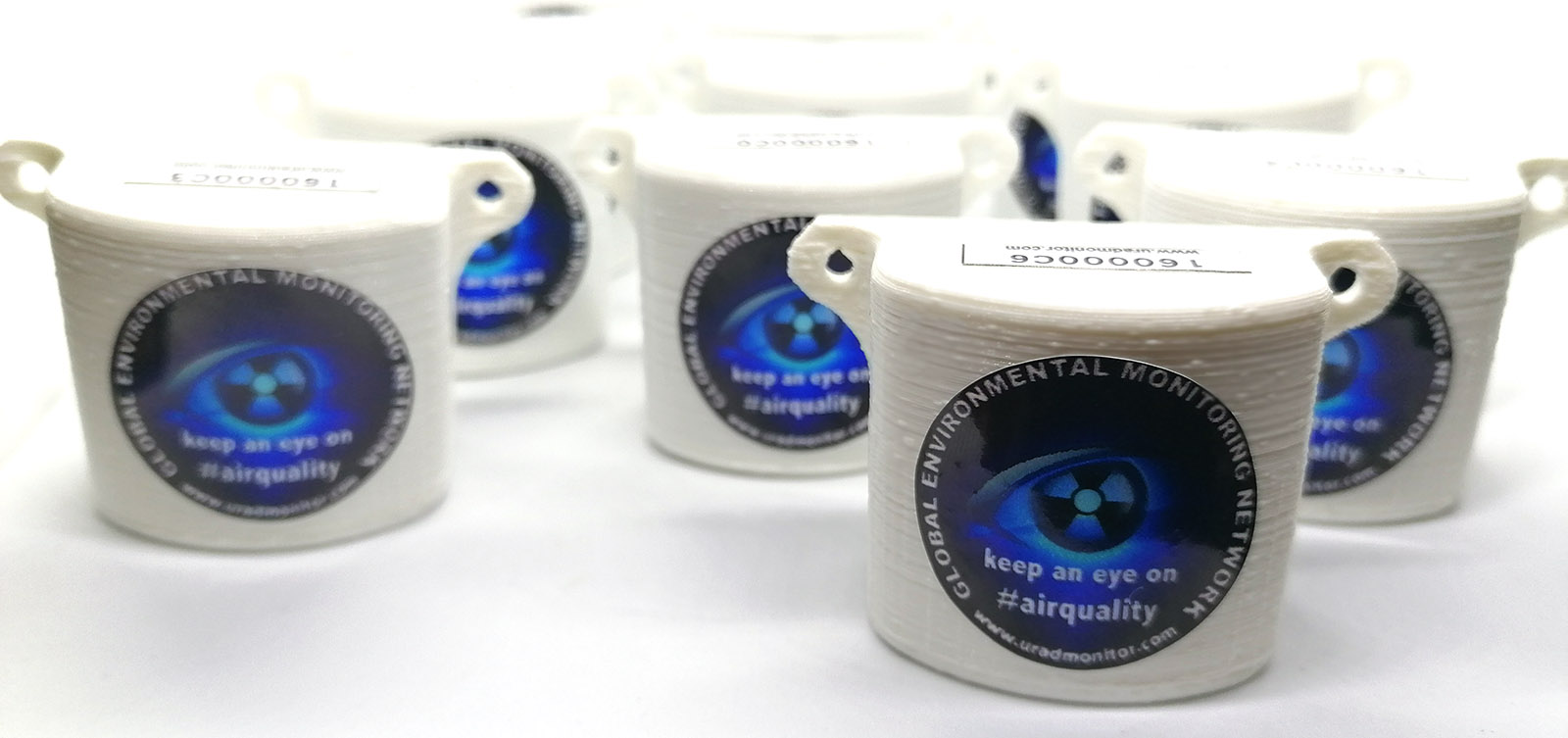
The uRADMonitor® KIT1 is an open-source IoT sensor, designed to be highly configurable and easy to hack. By default, it comes with a Geiger tube and an Ethernet module, making it perfect for autonomous radiation monitoring. You can order a pre-assembled unit here. Launched in 2016 during our first IndieGogo crowdfunding campaign, KIT1 has inspired makers worldwide. The full […]

Read More >>

Giveaway – Giving Sensors a Second Life

uRADMonitor donates refurbished 🌱 air quality monitors for education and civic use At uRADMonitor, we believe technology should serve people and communities. Besides driving innovation in IoT and sensor technologies, another key directive we follow is to increase environmental awareness and responsibility. As part of our regular maintenance cycle, some uRADMonitor sensors were returned. While a […]

Read More >>

uRADMonitor Model INDUSTRIAL Improvements

The MODEL INDUSTRIAL is a high-end air quality monitoring unit built for harsh environments, featuring a robust aluminium enclosure, industrial-grade sensors, and connectivity options like Ethernet, WiFi, and GSM. It has been successfully deployed in industrial facilities, research stations, environmental protection agencies, and city-wide monitoring networks across Europe, Asia, and the Americas. The last time […]

Read More >>

uRADMonitor® MODEL A4 improvements – hw4

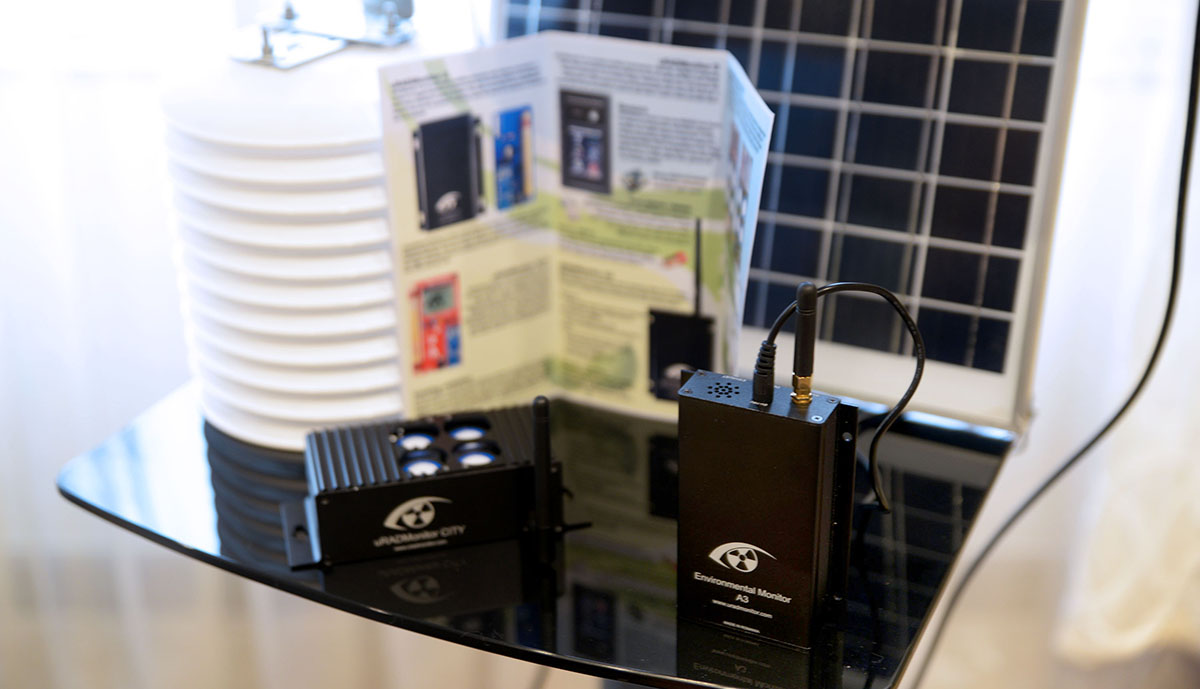
Developed to meet the growing demand for accurate, localised data, the MODEL A4 is as a modular, durable, and easy-to-maintain device, launched in late 2023 to improve reliability and simplify field servicing in diverse outdoor conditions. Its multi-parameter sensing capabilities, combined with the weatherproof enclosure and the versatile modular design that simplifies field installation and […]
Read More >>

Open data upload tutorial. DIDAP and EXP protocols

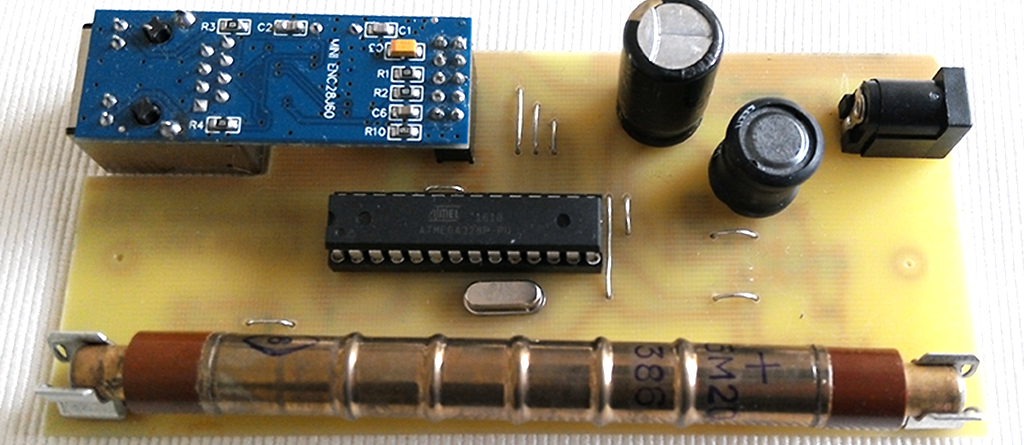
uRADMonitor is one of the biggest global sensor networks for environmental monitoring, providing real-time data on air quality, radiation, and other parameters. While most of the units in the network are made by us and typically come with a predefined unique Device ID, assigned at manufacture time, the network allows open hardware and custom sensors to […]
Read More >>

Model CITY 5th Hardware Iteration

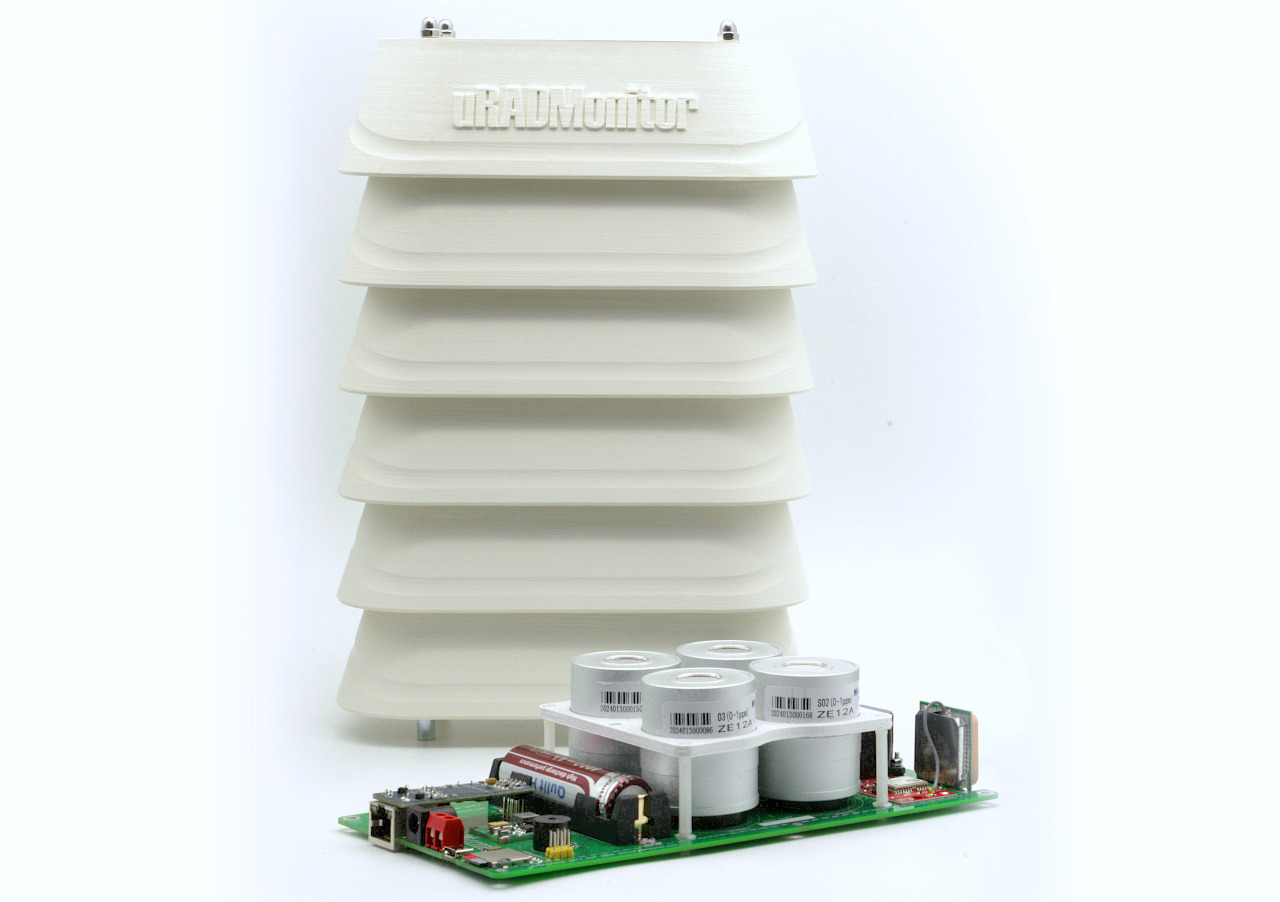
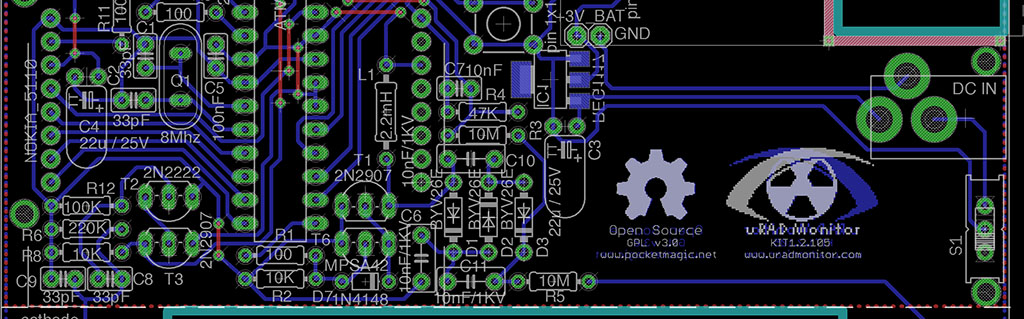
The MODEL CITY is our professional range sensor featuring 4 large volume electrochemical gas sensors that track gases down to trace levels of 1PPB. All this with an excellent accuracy thanks to the innovative electronic design that minimises noise levels at low concentrations. The new design measures Ozone, Nitrogen Dioxide, Sulphur Dioxide, Carbon Monoxide , […]
Read More >>

Producing the uRADMonitor® MODEL A4 

uRADMonitor® MODEL A4 was built on community feedback that repeatedly indicated the importance of a modular design. The board with sensors should be separated and so can be changed easily. Besides that , things like a better microcontroller that will allow OTA updates, a stronger WIFI connectivity and a very nice Stevenson shield were also […]
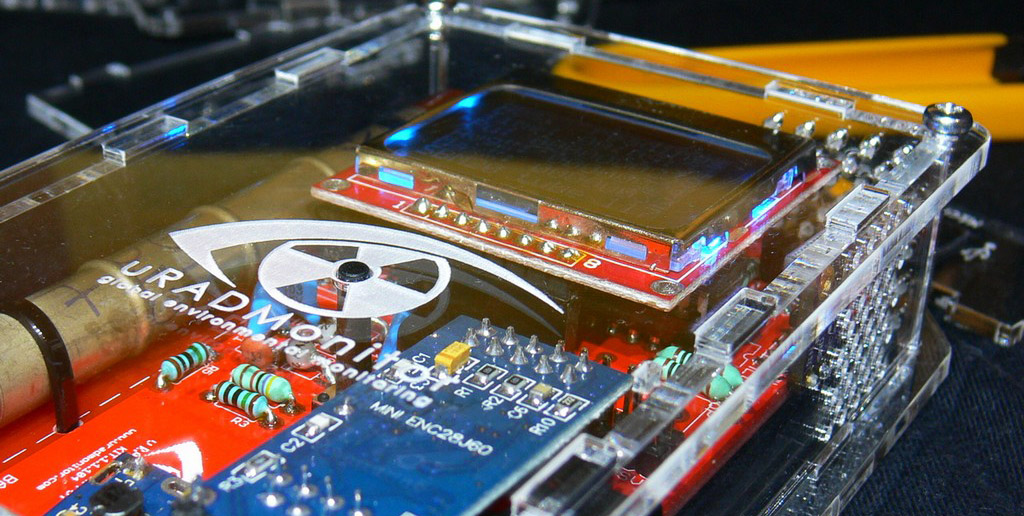
Read More >>

CEPARER – a study on Road transport pollution

We know well that traffic is a major source of pollution. But what does that mean, actually? First thing that pops to our minds is, of course, the exhaust gas, that contains carbon monoxide, nitrogen oxides, and particulate matter, all of which can have harmful effects on human health, especially with long-term exposure. It’s generally […]

Read More >>

The New SMOGGIE

Having almost 1000 SMOGGIE units deployed, makes this one of the best designs we came up with. It’s likely the max we could do in terms of IOT sensors with the existing technology, by optimising all aspects but with no compromise to data accuracy. This was rewarded last year in Paris, where uRADMonitor took two […]

Read More >>

Home Assistant and uRADmonitors

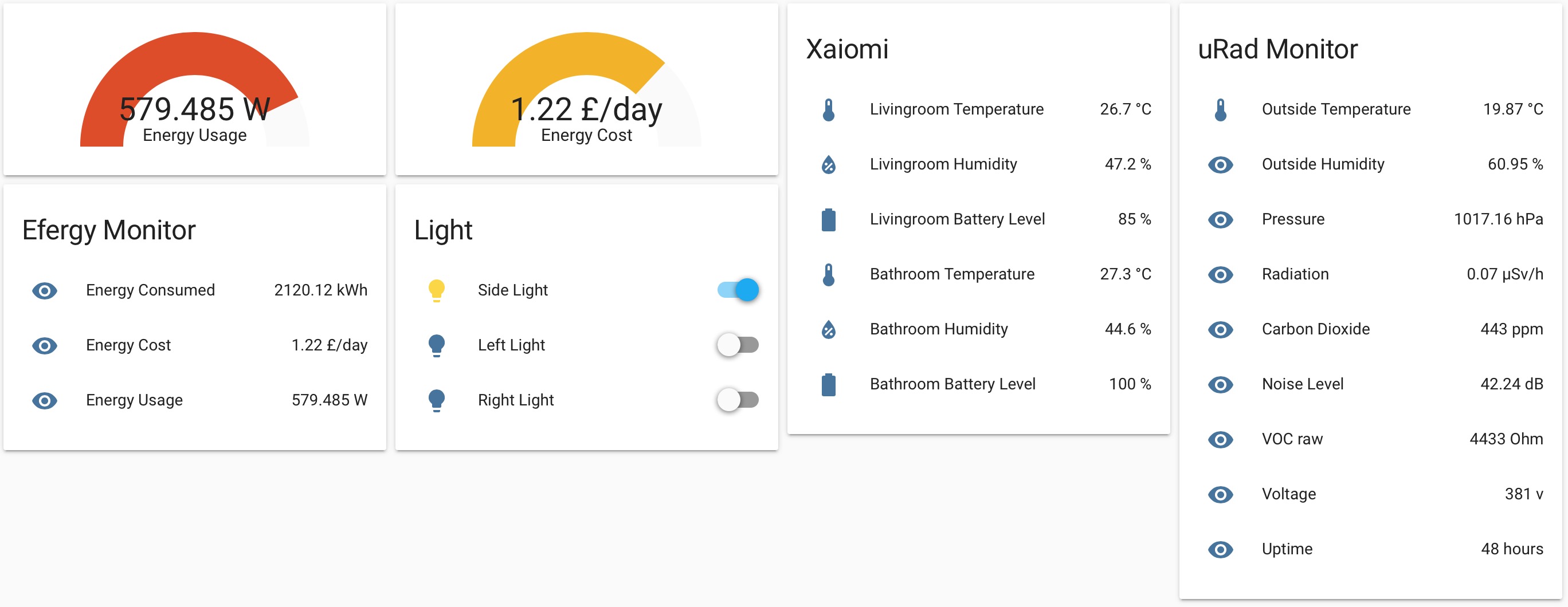
Recently I was researching into home automation systems. What I wanted to do was have temperature sensors in different locations around my house and integrate this environmental information into one place, where the data could be logged and monitored. What I discovered was open source software called Home Assistant. I had a spare Raspberry Pi […]

Read More >>

Producing the uRADMonitor A3

The uRADMonitor A3 was first anounced two years ago. During all this time, the product has seen multiple iterations that continuosly improved the hardware. The high number of sensors and the robust design were appreciated among our users. The A3 spread at a fast pace, quickly becoming one of the uRADMonitor most successful designs. To […]

Read More >>

uRADMonitor A3 with GSM connectivity

While a relatively new design, the uRADMonitor A3 accounts for a quarter of the total uRADMonitor network already. Introduced in 2016, it was supported by Orange in several SmartCity implementations. With an impressive number of sensors, the A3 produces highly relevant data to describe air quality in the place where it is installed. There are […]

Read More >>

The Devil is in the details

For some time now I’ve been swamped with work, among other things working to finalise one of the hardware products I designed, the uRADMonitor D. This is the very one that goes back to 2015, and had a very quick start with the prototype being ready in only a month. From BETA to the Final […]

Read More >>

KIT1 screenless variant

Technically this is still a KIT1, and runs KIT1 firmware, but it becomes very similar to a model A unit, as it does everything a model A does. LZ1JER built one for his new weather station based on a Raspberry Pi, which is an impressive construction already: As you can see, this KIT1 variant is […]

Read More >>

Open Source uRADMonitor KIT1

Open Source means collaborative work, joined effort leading to extraordinary things. Recently we saw how a talented maker from Oradea, Romania pushed his KIT1 #uradmonitor unit to the limit! He used a lot of his personal time to build and document something better than the original. In the end he asked for nothing except to […]

Read More >>

Building the KIT1 with extra features

Last week I’ve assembled a KIT1 and posted some details about it to the forum. radhoo praised the article and asked me to share it on this blog, maybe will be helpful for the readers. So, here is an updated “copy-paste” from the original post. The diy kit is based on the v1.1.104 pcb. It […]

Read More >>

Dynamic IDs

All the uRADMonitor detectors were designed with a unique hardcoded identifier used to organise the datasets collected. Using this approach we were able to group together measurements collected from any given hardware unit, and display them to the unit owner or on the uRADMonitor frontend, like in this example. We named this identifier a “Device […]

Read More >>

Model KIT1 – Production Ready!

The uRADMonitor network started as a worldwide array of ionising radiation detectors, to deliver comparable radiation readings regardless of location. We’re now using the existing infrastructure to also include air quality measurements (the model D was a first step towards that). The first hardware detector we’ve built was the uRADMonitor model A, a fixed monitoring […]

Read More >>

Model D updates

Some of the remaining changes for uRADMonitor model D included finalising the firmware and identifying a few better alternatives for the LCD bezel. Should the indieGogo campaign reach it’s stretch goal, we’ll also see a GPS module added to this unit, and an internal antenna for a more compact design. But getting back to the […]

Read More >>

The Hackaday Prize 2015 Finals

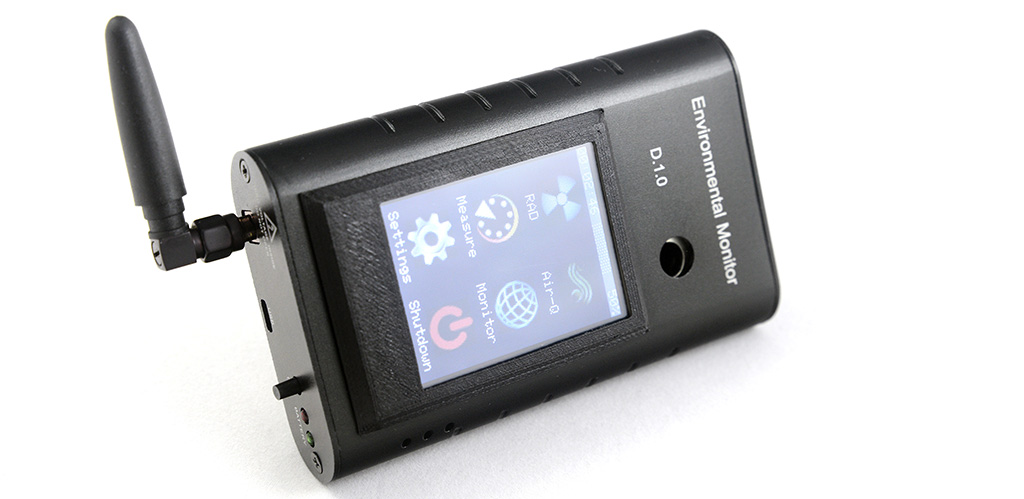
The uRADMonitor model D, or the Portable Environmental Monitor, has entered this year’s Hackaday Prize competition, throwing in a complex hardware design, backed by a matching software infrastructure implemented with thousands of lines of code. What started with a simple hand drawn diagram was followed later by the Beta prototype and finally led to the […]

Read More >>

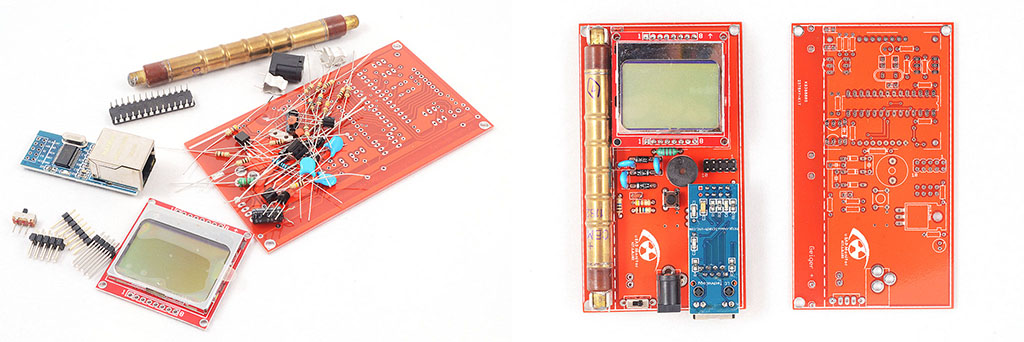
uRADMonitor KIT1.1

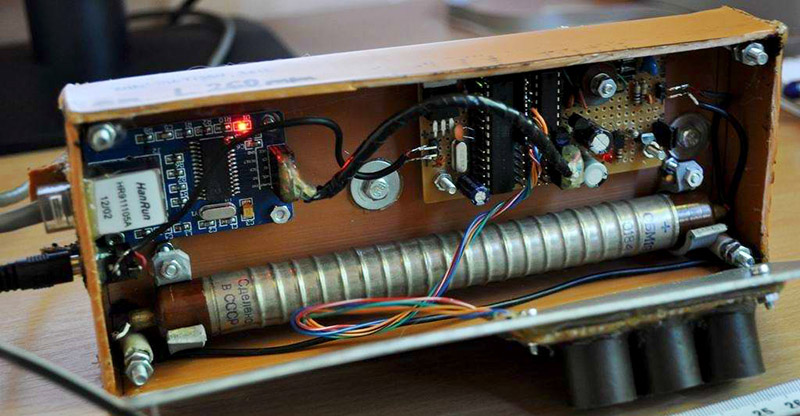
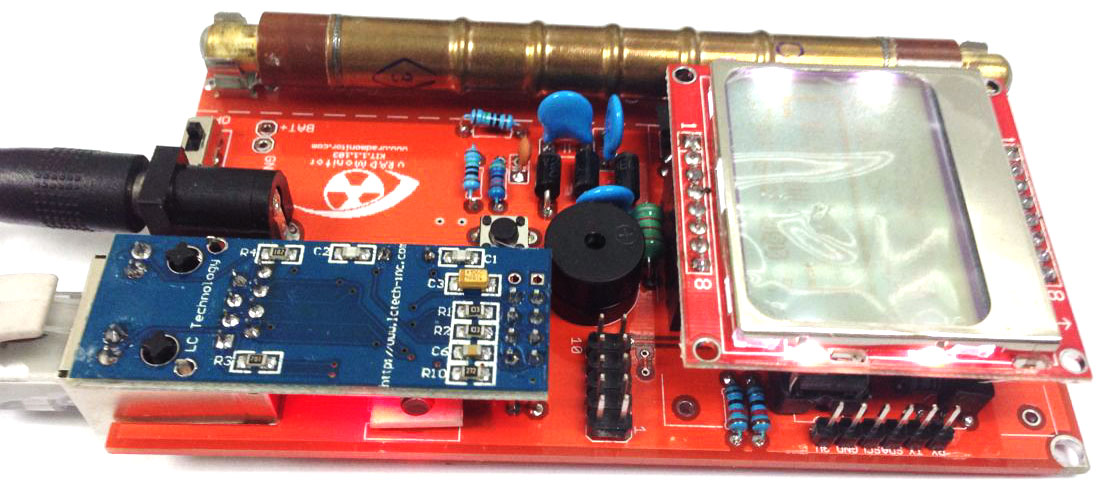
The uRADMonitor KIT1.1 is an Open Source Digital Radiation Dosimeter, that can be used both as a portable detector, but also as a monitoring station to upload readings to the uRADMonitor network. It relies on a Geiger tube to detect radiation. This can be build by anyone interested with minimum effort. Construction details are available […]

Read More >>

Hackaday Prize 2015 Best product finals

The portable environmental monitor project or the uRADMonitor Model D, had its Finals deadline today, for the Hackaday Prize 2015 Best product category, where it competes with nine other projects for the grand prize. A series of upgrades have been introduced, to meet the competition requirements, but also improve the project forward. These include the […]

Read More >>

Server upgrade / Site v4.0

The complexity of the uRADMonitor system stretches from a multitude of compact hardware detectors capable of sensing the invisible ionising radiation and air quality, to the big data software solutions that can handle the huge amounts of data in real time. With the network spreading at a fast pace, periodic upgrades on the server side […]

Read More >>

uRADMonitor KIT1

uRADMonitor KIT1 is the first open source DIY dosimeter KIT, that can be used to collect radiation measurements and push them to the uRADMonitor network. Similar to model B that is to be released later this year, the KIT1 is intended for those interested in building their own radiation devices and contribute to the uRADMonitor […]

Read More >>

Howto upgrade your uRADMonitor and graph local statistics

Hi everybody, My first post here to develop my answers in the forum about how to upgrade the firmware and get the local data to create some graphics. The upgrade procedure has been explained by Radhoo in a previous post, but I will add my little grain of salt.

Read More >>

A year to remember

2014’s last day is slowly passing by. For what uRADMonitor is concerned, the passing year was one to remember. It was 2014 where this entire project practically started: it moved from an idea to a prototype and then into production, for now to see it expand quickly all over the world. The solution is already […]

Read More >>

Server software improvements

The uRADMonitor project has a complex architecture, involving both hardware and software. The software level also has two separate components, one is the client firmware – the software running on the dosimeter’s microcontroller, and the other is the software running on the server. The last posts have shown a lot of progress on the hardware […]

Read More >>